Washington nominates Keith Heffern as US ambassador to Gabon
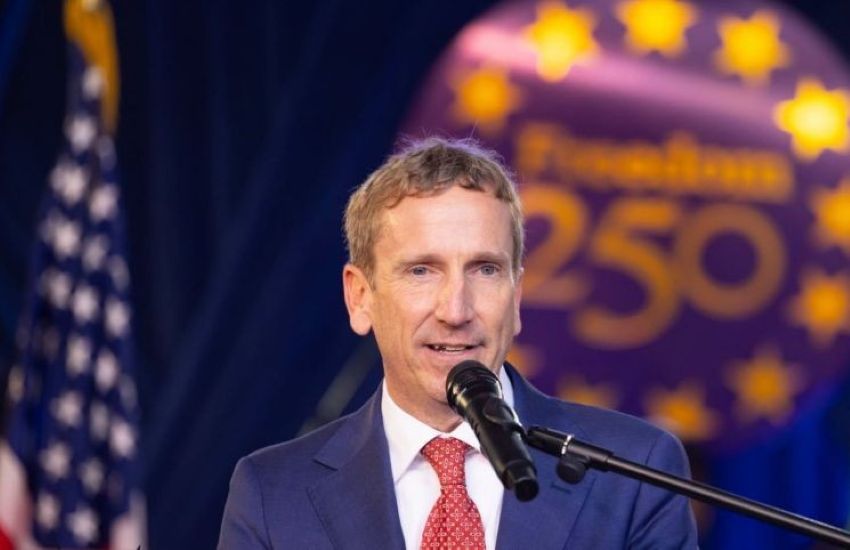
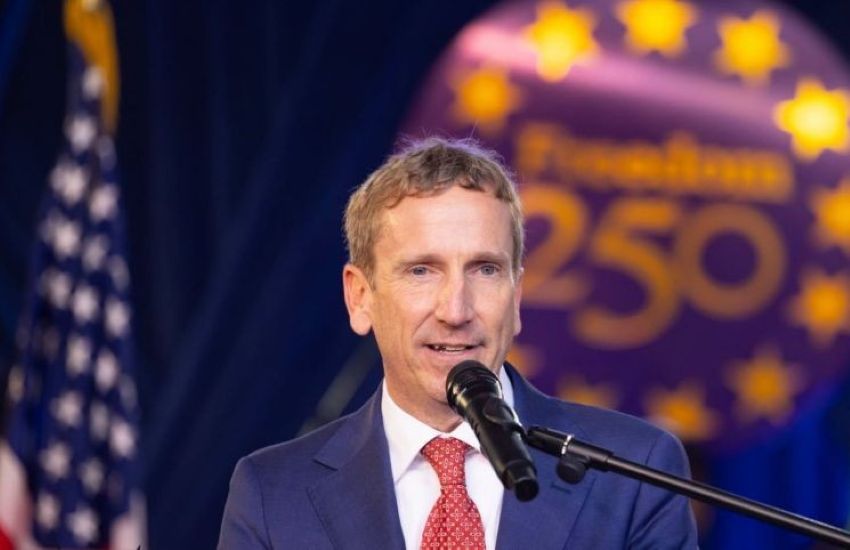
Libreville, August 13, 2026 — The selection of Keith Heffern as the next United States Ambassador to Gabon signals a strategic shift in Washington’s diplomatic engagement with Central Africa under the Trump administration. A seasoned career diplomat, Heffern’s nomination—forwarded to the US Senate on August 7—represents more than a routine personnel appointment; it marks a potential turning point in US-Gabon relations.
Pending Senate confirmation, Heffern would fill a nearly eight-month vacancy at the US Embassy in Libreville, currently led by Chargé d’Affaires Susan N’Garnim since January 2026. His background suggests deep familiarity with the region, a factor likely to accelerate diplomatic momentum in a relationship Washington now views as increasingly vital.
Diplomatic renewal across Africa
Heffern’s nomination is part of a broader US strategy to revitalize its diplomatic footprint across the continent. The Trump administration has simultaneously proposed career diplomats for key posts in Chad (William Flens), Madagascar and the Comoros (Marc Dillard), as well as openings in Togo, Mauritania, Benin, Malawi, and Cabo Verde. This pattern underscores a preference for experienced foreign service officers over politically appointed candidates—a clear departure from recent practices.
For Gabon, the timing carries special significance. Washington had withdrawn its ambassador in late 2025, leaving Libreville to rely on an interim diplomatic presence. A confirmed ambassador would not only restore full bilateral representation but also signal renewed US commitment to a relationship long centered on economic diversification, maritime security in the Gulf of Guinea, and wildlife conservation.
Strategic interests converge in Libreville
The stakes extend well beyond diplomacy. Gabon’s mineral, timber, and energy wealth, coupled with its pivotal location in the Congo Basin and Gulf of Guinea, makes it a key player in regional stability. Washington’s strategic calculus has further intensified following President Trump’s May 2026 decision to reinstate Gabon under the African Growth and Opportunity Act (AGOA), reversing a previous suspension. This move underscores Gabon’s growing commercial importance and positions Libreville as a gateway for US economic engagement in Central Africa.
Yet the competition for influence in Gabon is intensifying. As Washington seeks to counterbalance growing Chinese, Russian, and Turkish presence, Heffern’s potential arrival arrives at a critical juncture—one where Gabon itself is pursuing foreign investment, diversifying alliances, and asserting a more prominent international role.
Confirmation awaited
The final hurdle lies with the US Senate, where Heffern’s nomination must clear procedural review. Until then, he remains a designated candidate rather than an accredited ambassador. Still, the symbolic weight of his selection is undeniable: Washington has chosen a diplomat with deep regional experience to lead a mission now tasked with navigating a complex geopolitical landscape.
Should the Senate approve his appointment, Heffern would return to a familiar post but within a dramatically transformed context. His tenure could redefine US-Gabon relations, turning diplomatic momentum into tangible outcomes across trade, security, environmental cooperation, and institutional collaboration. In an era where Africa’s diplomatic landscape grows ever more contested, Libreville’s next ambassador may well become a linchpin in Washington’s broader strategy to reclaim strategic influence on the continent.