Mali-Algeria ties warming after diplomatic tensions ease
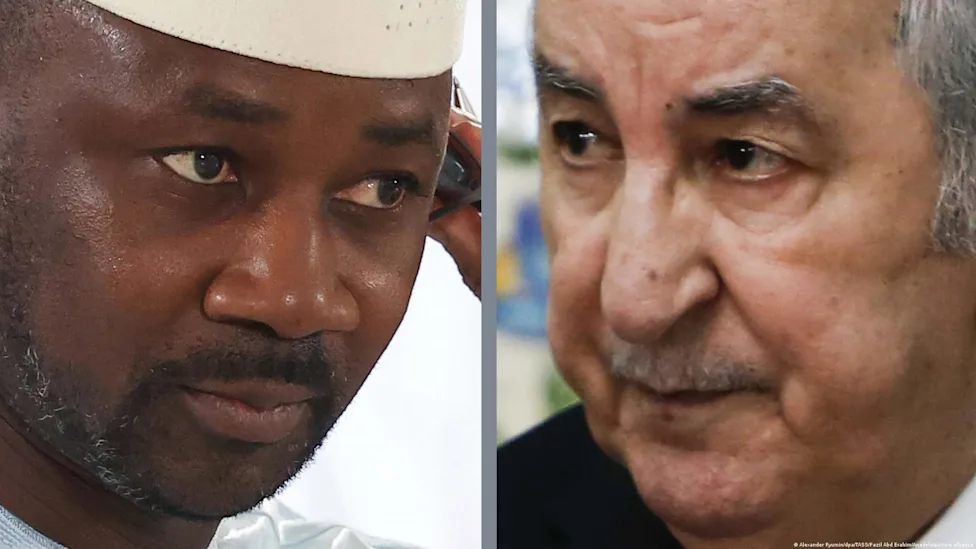
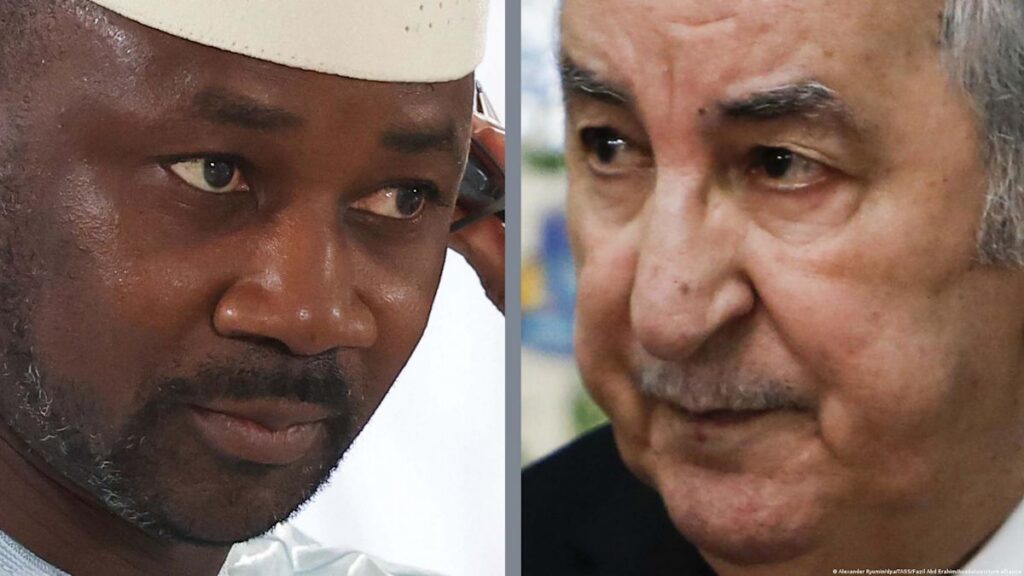
Diplomatic relations between Mali and Algeria have shown clear signs of improvement after a year marked by sharp tensions. The crisis began in April 2025 when Algeria destroyed a Malian drone it claimed had violated its airspace. Bamako firmly denied the allegations, leading to the closure of the shared 1,300-kilometer border and airspace.
By July 10, both nations announced a series of reconciliation measures. Ambassadors were reinstated, and airspace restrictions were lifted, signaling a thaw in relations. A notable development came when Algerian Prime Minister Sifi Ghrieb extended an invitation to his Malian counterpart for an official visit, following a telephone discussion.
Regional stability drives diplomatic thaw
The easing of tensions aligns with broader security challenges facing the Sahel. Countries like Mali, Niger, and Burkina Faso continue to grapple with the escalating threat of terrorist groups and rebel factions. For Algeria, re-engaging with Bamako is not just about bilateral relations but also about preventing further regional instability.
Geopolitical implications of the rapprochement
Analysts highlight two key motivations behind Algeria’s push for reconciliation. First, securing the southern border to prevent it from becoming a security weak point. Second, restoring diplomatic channels to address political instability, including ongoing negotiations with groups like the National Liberation Front of Azawad.
The partnership between Algeria and Russia further strengthens this dynamic. Both nations share a common interest in stabilizing the region and asserting influence amid shifting geopolitical landscapes. While the immediate crisis has subsided, the long-term impact of this rapprochement could reshape power balances in the Sahel.
How does Mali benefit from this thaw?
For Bamako, the benefits are twofold. Strengthening ties with Algiers helps secure its northern frontier, reducing vulnerabilities exploited by armed groups. Additionally, renewed dialogue offers a pathway to political stability, particularly in regions like Azawad where conflict persists.
A strategic shift in the Sahel
Though geopolitical balances have remained largely unchanged since 2020, this rapprochement marks a significant shift. Algeria’s re-entry into regional diplomacy, coupled with Russia’s strategic role, could redefine alliances and influence in the Sahel. The question remains whether this momentum will translate into tangible security and political gains for both nations.