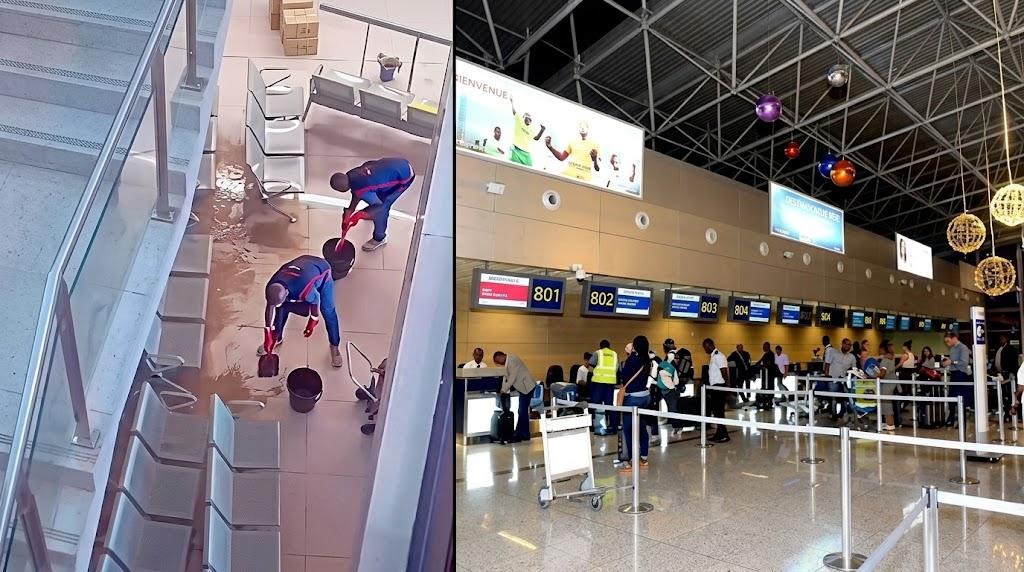
Lomé airport sewer blast exposes decades of shameful infrastructure neglect
What was meant to be an unremarkable afternoon at the heart of West Africa’s busiest aviation gateway ended in humiliation and outrage when a corroded sewer main beneath the terminal burst in an explosion of toxic waste. The blast tore through the heart of Lomé’s international airport, drenching hundreds of passengers in raw sewage and instantly transforming a modern transit hub into a scene of abject squalor.
The disaster unfolded without warning. A high-pressure wastewater conduit, long ignored due to chronic underfunding, finally ruptured under decades of accumulated neglect. The explosion sent a putrid tide of human waste crashing through ventilation systems and onto unsuspecting travelers below—leaving an enduring scar on Togo’s international reputation and plunging the nation’s air transport network into chaos.
The human toll was immediate and severe. Travelers from across Europe and Africa, mid-journey through transit lounges and check-in counters, found themselves drenched in fecal matter. Photographs and eyewitness accounts surfaced showing distraught passengers clutching soiled bags and documents, their dignity stripped in seconds. One European woman in transit for Paris described the horror in visceral terms: “We heard a deep bang above us, then a black wave crashed down. It was in my hair, on my skin, in my eyes. We were trapped in a nightmare.”
Rescue workers and airport staff, overwhelmed by the scale of contamination, struggled to respond. Ventilation systems, designed to keep air flowing, instead spread the stench and airborne pathogens across the terminal. Medical specialists warned of imminent health risks—cholera, typhoid, and E. coli infections—posing a threat to anyone present.
The financial and operational fallout has been swift and severe. All flights in and out of Lomé International Airport were immediately suspended. Regional traffic was rerouted to Cotonou and Accra, disrupting thousands of itineraries and costing airlines and passengers millions in rerouting fees and lost time. The airport’s IT infrastructure, including passenger processing systems and security checkpoints, was crippled after sewage infiltrated electrical conduits, triggering cascading system failures.
The hidden cost of years of postponed repairs at Lomé Airport
Behind the immediate chaos lies a bitter truth: this was a disaster waiting to happen. Internal records reviewed in the aftermath reveal repeated warnings from technicians about deteriorating sewer lines and failing pumping stations. These alerts—some dating back more than two years—were routinely dismissed amid budget constraints and administrative inertia.
Engineers on site now describe a system held together by decaying metal and expired rubber joints, overwhelmed by the sheer volume of Lomé’s growing air traffic. The airport, once a symbol of national pride and a gateway to West African commerce, now stands as a damning indictment of neglect—a facility that failed the most basic standards of sanitation and safety.
The international outrage has been swift. Embassies from several European countries have lodged formal complaints, demanding full accountability and compensation for affected citizens. Major airlines serving Lomé are preparing legal action, citing breach of contract, reputational harm, and financial losses exceeding $50 million in rerouting expenses and passenger claims since the incident.
From pride to scandal: Lomé Airport’s plummeting global image
The fallout has reached far beyond airport boundaries. The disaster has sparked a wave of public anger across Togo, with citizens and civil society groups demanding the resignation of top aviation officials. Social media has erupted with calls for systemic overhaul, using hashtags like #LoméToiletGateway and #TogoFail.International media has seized on the story, framing the incident as emblematic of larger governance failures in West Africa. Analysts now question whether the airport can ever restore its once-solid reputation as a modern, secure transit point. Competitors like Accra and Abidjan are aggressively marketing their updated facilities, positioning themselves as safer, more reliable alternatives for international travelers.
The government has pledged an emergency inquiry, with promises of urgent infrastructure upgrades and disciplinary action. Yet for victims—especially those humiliated on global stage—the healing process will take far longer than repairs to rusted pipes. The images of suffering passengers, shared virally across the internet, have etched an indelible mark of shame on Togo’s international image.
As the cleanup continues and the terminal lies in disarray, one truth remains glaringly clear: the cost of neglect is not just fiscal—it is moral, reputational, and human. And in today’s connected world, its consequences do not stay hidden in a sewer—they explode into the headlines, unforgotten and unflinching.