Morocco champions humanitarian action at african union peace and security council
As the African Union’s Champion on Migration, Morocco has made humanitarian action a cornerstone of its foreign policy and continental cooperation. The Kingdom continues to spare no effort in addressing humanitarian crises across Africa, aligning its efforts with the continent’s urgent needs.
By Morocco Hebdo
Published on June 2, 2026 at 12:12 PM. | 4 min read
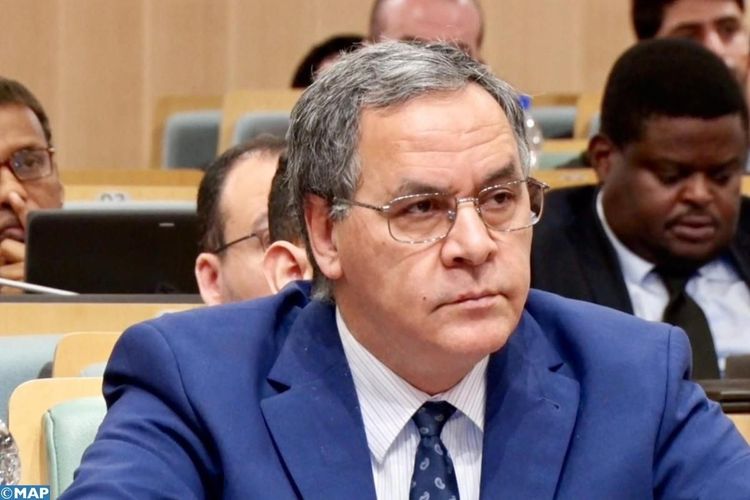
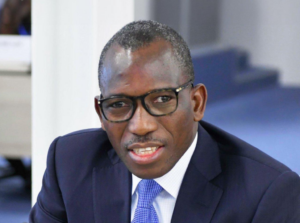
Mohamed Arrouchi, Morocco’s Permanent Representative to the African Union.
As the AU’s Champion on Migration, Morocco has prioritized humanitarian action as a central pillar of its foreign policy and continental engagement, the diplomat emphasized. The Kingdom is actively working to mitigate humanitarian crises across Africa, deploying resources and expertise wherever needed.
Mr. Arrouchi highlighted that Morocco’s humanitarian efforts extend beyond emergency aid and mobile hospitals. The approach is rooted in sustainable solutions, including co-development, knowledge sharing, and best practice exchanges, aimed at long-term relief for affected populations.
The diplomat also underscored the need to address the humanitarian impacts of climate change and desertification, which are already increasing the number of climate refugees on the continent. He stressed that Morocco’s strategy includes climate resilience initiatives and responsible governance to ensure aid reaches those in need without diversion or exploitation.
“Our goal is to ensure that humanitarian assistance reaches the right people and is not misused,” Mr. Arrouchi said. He emphasized that responses to Africa’s humanitarian challenges must be comprehensive, integrating humanitarian aid with conflict prevention, mediation, peacebuilding, and development to tackle the root causes of forced displacement.
The ambassador also stressed the importance of strengthening the resilience of communities affected by conflict, natural disasters, and climate shocks to reduce their vulnerability to future crises. He called for enhanced African capacities in early warning, crisis preparedness, and resilience mechanisms tailored to the continent’s realities.
Transparency, accountability, and robust monitoring mechanisms are essential to ensure aid reaches intended beneficiaries and to prevent diversion or manipulation of humanitarian resources, he added. Strengthening data registration, tracking, and management systems for refugees and IDPs based on credible, verified, and regularly updated information is equally critical to improving response efficiency and resource allocation.
Morocco’s diplomat warned that Africa is facing an unprecedented humanitarian crisis, driven by conflict, climate change, economic slowdown, and rising food insecurity and malnutrition. The scale of needs has overwhelmed collective responses, constrained by national, regional, and continental challenges.
He called for a focus on pragmatic, operational solutions and sustainable approaches to address the crisis. “We must prioritize prevention in the face of increasingly frequent and complex shocks,” he said, urging a shift toward proactive measures and a new African humanitarian order.