Politics
Cameroun parliament sessions: journalist questions national assembly effectiveness
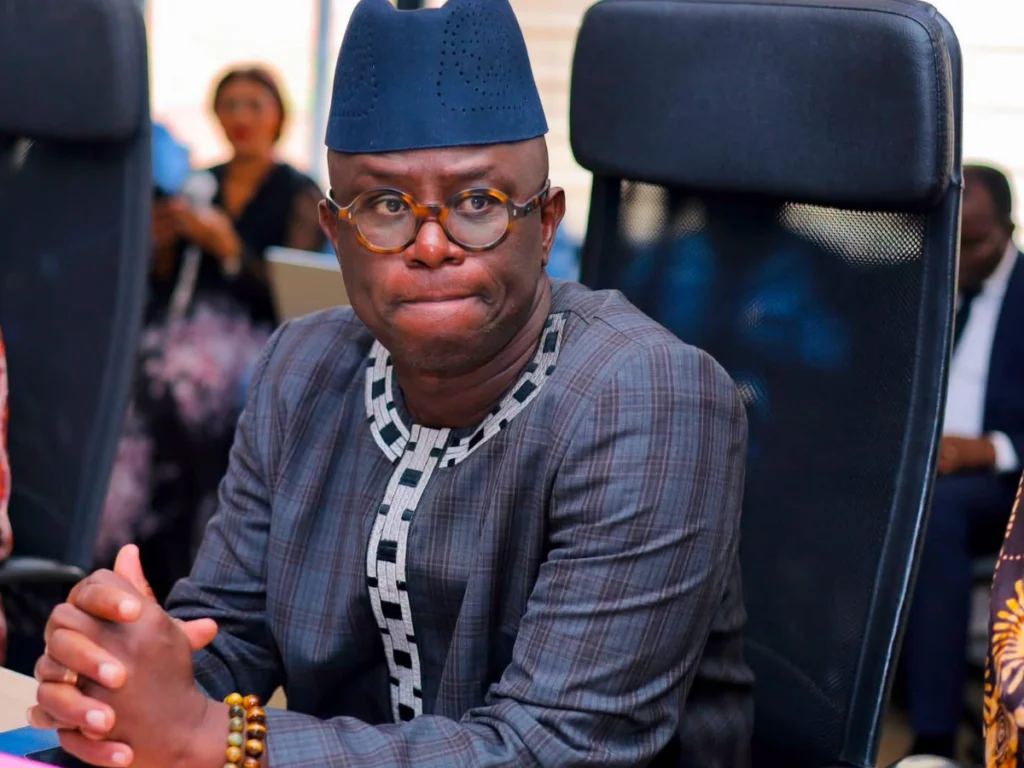
Journalist Guibai Gatama highlights concerns over Cameroon’s parliamentary session duration, questioning whether the National Assembly can fulfill its constitutional duties with its current schedule.
Journalist Guibai Gatama is raising concerns about Cameroon’s parliamentary session duration. He questions whether the National Assembly can effectively carry out its constitutional responsibilities with only three ordinary sessions of 30 days each year.
Guibai Gatama is scrutinizing the functioning of Cameroon’s National Assembly. The journalist argues that the current parliamentary calendar, limited to three 30-day sessions annually, prevents lawmakers from properly exercising their duties, including government oversight, lawmaking, and representing citizens.
In practice, plenary sessions often last only about two weeks per session, resulting in roughly one and a half months of effective legislative work throughout the year. Gatama considers this insufficient given Cameroon’s pressing political, economic, and social challenges.
To support his argument, Guibai Gatama compares Cameroon’s parliamentary schedule with several African nations. He points to Chad, Senegal, and Côte d’Ivoire, where legislative sessions span eight to nine months annually, and Nigeria, where Parliament operates nearly year-round.
“Launch a real debate on parliamentary session duration in Cameroon,” journalist urges
The journalist believes the National Assembly appears “detached from the nation.” The founder of L’Œil du Sahel newspaper is calling for an open discussion on reforming the parliamentary calendar. He asserts that extending legislative sessions would enhance public policy oversight, improve law examination processes, and better align institutions with citizens’ daily concerns.
Be the first to comment on this article





Comments