Cameroun’s parliamentary session duration raises questions about legislative efficacy
The current schedule of Cameroon’s National Assembly sparks debate over its ability to fulfill constitutional duties.
Limited parliamentary sessions hinder Cameroon’s legislative agenda
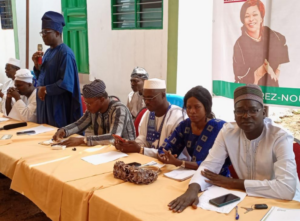
Journalist Guibai Gatama highlights concerns about Cameroon’s National Assembly, questioning whether its current structure allows lawmakers to effectively monitor government actions, pass legislation, and represent citizens. The existing framework permits just three annual sessions of 30 days each—barely enough time, Gatama argues, to address the nation’s pressing political, economic, and social challenges.
In practice, plenary sittings often total around two weeks per session, leaving the Assembly with less than two full months of substantive work annually. This limited engagement, Gatama contends, falls short of meeting the expectations placed on Cameroon’s legislative body.
To underscore his point, he draws comparisons with regional peers. Countries like Chad, Senegal, and Côte d’Ivoire conduct parliamentary sessions for eight to nine months each year, while Nigeria’s legislature operates nearly year-round. Cameroon’s schedule, by contrast, ranks among the continent’s most abbreviated.
Calls for reform to strengthen legislative oversight
Gatama, founder of L’Œil du Sahel, urges a national conversation on revising the parliamentary calendar. He asserts that extending session durations would enhance the Assembly’s capacity to scrutinize public policy, refine legislative proposals, and align institutional priorities with citizen concerns. Without such reforms, he warns, the National Assembly risks remaining disconnected from the realities shaping Cameroon’s future.