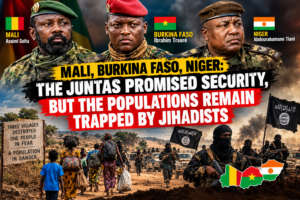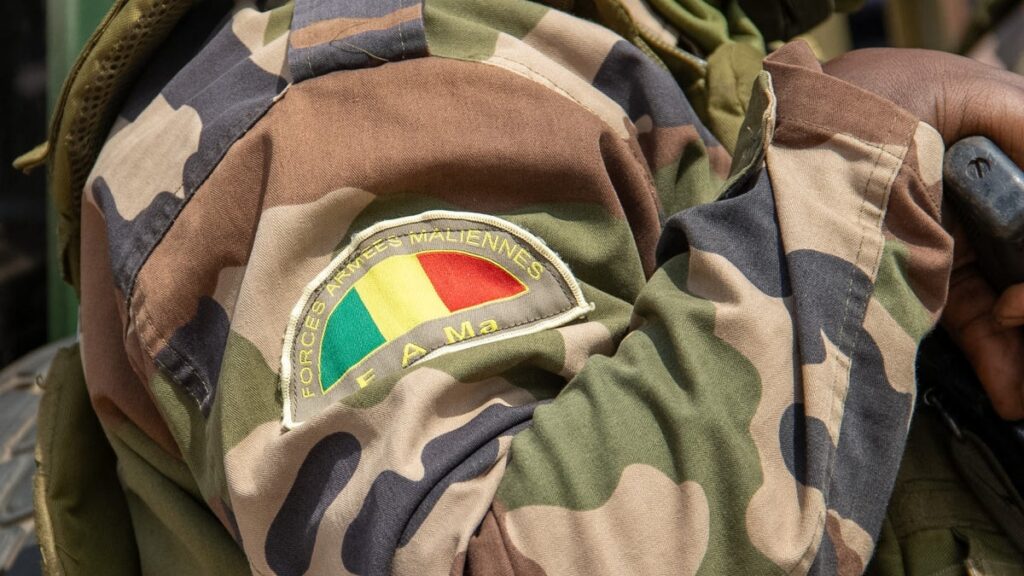
Violent clashes in the Ségou region of central Mali have escalated into a tragic humanitarian crisis, with reports confirming that soldiers from the Malian Armed Forces and allied militias targeted civilians in two separate incidents last October. The attacks left at least 31 people dead and homes reduced to ashes, raising serious concerns about military conduct in conflict zones.
Cold-blooded executions in Kamona
On October 2, uniformed soldiers operating in at least seven pickup trucks and three armored vehicles, accompanied by armed militiamen known as Dozos, stormed the village of Kamona. Witnesses described how the assailants, dressed in traditional attire and adorned with protective amulets, systematically hunted down male residents under the guise of counterterrorism operations.
«Those who couldn’t escape were rounded up and executed on the spot,» recounted a survivor who spoke to investigators. The attack followed an alert from Islamist militants, who warned villagers of the army’s advance, prompting many to flee. Despite their warnings, the soldiers and militiamen proceeded with a brutal operation that left 21 men dead and at least ten homes burned to the ground. The victims, all men aged 20 to 65, were found with multiple gunshot wounds, their bodies abandoned under a large tree. Four additional bodies were discovered north of the village, victims of what locals believe were extrajudicial killings.
A local shepherd, who hid with his nine-year-old daughter in an abandoned hut, discovered 17 bodies upon returning. «The people had been riddled with bullets,» he said. «One had his head completely shattered. I saw spent bullet casings scattered around the bodies.» Another resident, who helped bury the victims, described digging a mass grave under the tree to lay the 17 men to rest. «Further north, we found four more bodies. All had been shot in the abdomen and head, so we buried them in another grave and covered them with sand.»
Brutal raid in Balle
Thirteen days later, on October 13, a similar scene unfolded in Balle, located roughly 55 kilometers from Kamona. Soldiers in five pickup trucks and at least 30 Dozo militiamen on motorcycles descended on the village. «I didn’t flee immediately,» said a 24-year-old man. «But when I saw soldiers going door-to-door, slapping and kicking the men, I ran for cover. From my hiding place, I heard gunshots.»
The attack resulted in the deaths of ten civilians, including a 55-year-old woman and nine men aged 22 to 67. Survivors found the bodies strewn in the village center, some with broken limbs and severe gunshot wounds. «They were lined up next to each other, riddled with bullets,» said a 33-year-old man who stumbled upon the scene. The assailants also looted at least 100 cattle before retreating.
The victim’s 21-year-old daughter recounted how her mother, defiant to the end, confronted the soldiers. «She shouted at them, accusing them of abusing the villagers,» she said. «They dragged her to where the men were gathered and shot her dead.»
Military claims disputed by locals
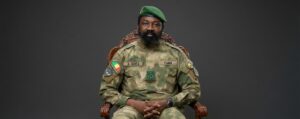
The Malian Armed Forces’ Chief of Staff issued a statement on October 14, asserting that a «offensive reconnaissance» operation near Balle had «neutralized around twenty terrorists» and seized military equipment. However, residents strongly dispute this narrative. «We’ve lived under the control of the Group for the Support of Islam and Muslims (GSIM) for years,» said a local man. «We pay zakat every year, and any disputes are settled by the jihadists. There are no soldiers, gendarmes, or police here. The army doesn’t distinguish between us and them, assuming everyone is a GSIM fighter.»
The incidents in Ségou occurred amid escalating attacks by the GSIM, which began besieging Bamako in early September. The blockade cut off fuel supplies to the capital, forcing the military junta to temporarily shutter all schools and universities across the country. The violence in central Mali is part of a broader conflict that has claimed thousands of civilian lives and displaced over 402,000 people since 2012.
International humanitarian law prohibits attacks targeting civilians, as well as murder, cruel treatment, and torture. Those found responsible for war crimes may face prosecution under the laws of war. While Mali withdrew from the International Criminal Court (ICC) in September, it remains a State Party to the Rome Statute until September 2026. The ICC opened an investigation into alleged war crimes in Mali in 2013.
The African Union (AU) has faced criticism for its limited response to the worsening conflict in Mali, despite its mandate to promote peace and security. Human rights advocates urge the AU’s Peace and Security Council to prioritize the crisis, advocating for stronger diplomatic efforts and coordinated regional and international action to hold all parties accountable for abuses.