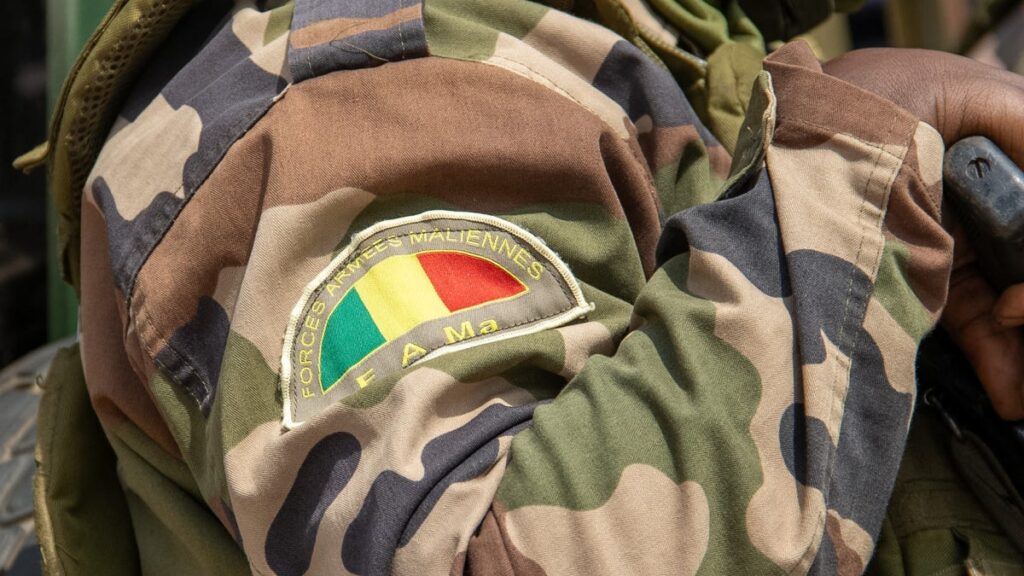
Investigations reveal that Malian soldiers and allied dozo militias carried out deliberate attacks against unarmed villagers in the Ségou region, resulting in the deaths of at least 31 civilians and the destruction of homes. The incidents occurred on October 2 and 13, marking another tragic chapter in the country’s ongoing security crisis.
targeted killings in two villages
On October 2, a coordinated assault by military forces and dozo militias—composed primarily of Bambara ethnic fighters—led to the deaths of at least 21 men in the village of Kamona. Homes were set ablaze as survivors fled, leaving behind charred remains and traumatized witnesses. Eyewitnesses reported that soldiers and militiamen executed villagers after accusing them of collaborating with armed groups operating in the area.
Just days later, on October 13, another attack struck the village of Balle, located approximately 55 kilometers away. Nine men and one woman were killed, while livestock was stolen and homes were ransacked. Survivors described how soldiers conducted door-to-door searches, beating men and summarily executing those they suspected of ties to insurgent factions.
pattern of violence and impunity
The Group for the Support of Islam and Muslims (GSIM), an Al-Qaeda-affiliated faction, controls large parts of central Mali, including the areas where the attacks took place. However, witnesses confirmed that GSIM fighters had already withdrawn from both villages before the military arrived, eliminating any possibility of direct confrontation. This raises serious questions about the motive behind the killings.
Survivors provided harrowing accounts of the aftermath. In Kamona, 17 bodies were found beneath a tree, while four additional victims were discovered north of the village. A local shepherd recounted discovering the bodies of men who had been shot at close range, some with severe head injuries. In Balle, a 24-year-old man described how soldiers and militiamen gathered and executed civilians, including a 55-year-old woman who was fatally shot after confronting the attackers.
international humanitarian law violations
The deliberate targeting of civilians violates international humanitarian law, including the Geneva Conventions, which prohibit attacks on non-combatants, executions, and cruel treatment. Despite Mali’s withdrawal from the International Criminal Court in September, the country remains bound by the Rome Statute until September 2026, and crimes committed during this period could still be subject to future accountability.
The African Union has yet to take meaningful action to address the escalating violence in Mali, despite its mandate to promote peace and security. Analysts warn that without urgent intervention, the cycle of violence will continue unabated.
demands for accountability
Calls have intensified for Malian authorities to launch credible and impartial investigations into the massacres. Survivors and local leaders insist that those responsible—both military personnel and allied militias—must be brought to justice. The absence of a response from government officials to inquiries about the incidents underscores the challenges faced in holding perpetrators accountable.
The attacks in Ségou follow a broader pattern of abuses documented by human rights organizations, involving both state forces and insurgent groups. As Mali grapples with a deepening security crisis, the international community faces mounting pressure to address the humanitarian toll and restore stability to the region.