Last-minute military gambit sparks economic anxiety ahead of midterm elections
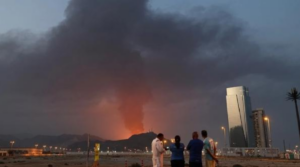
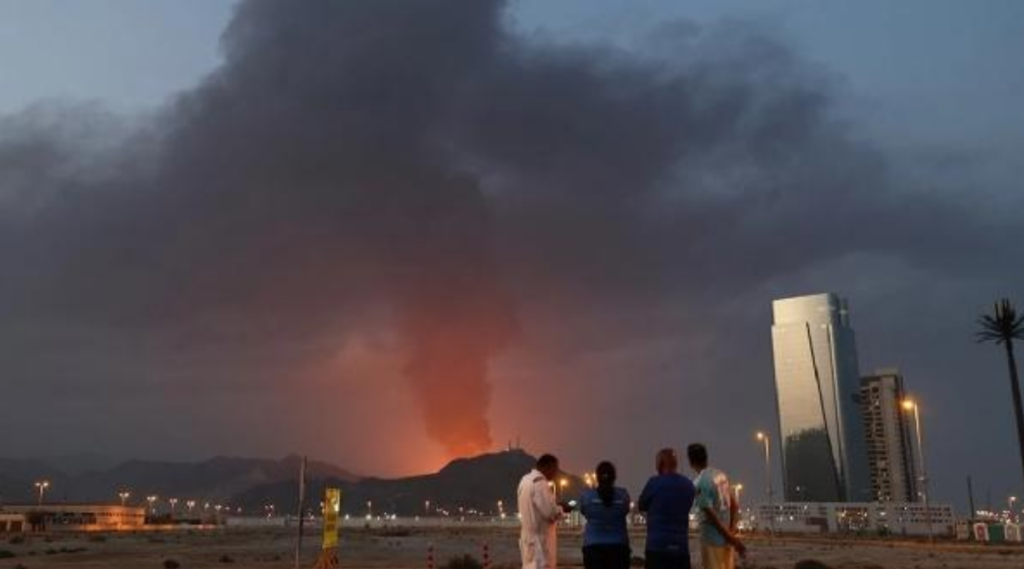
As Americans prepare to cast their ballots in the highly anticipated midterm elections, President Donald Trump has made a bold—and potentially risky—move by authorizing fresh strikes against Iranian targets in the strategic Strait of Hormuz. The operations, conducted on Qeshm Island just days before the vote, have reignited Middle Eastern tensions and left voters questioning whether military aggression or economic stability should take priority.
The timing could not be more critical. With fuel prices already squeezing household budgets and public approval of the Iran conflict dwindling, the president’s latest military action risks overshadowing domestic concerns and further polarizing an already divided electorate.
Why the Strait of Hormuz strikes could backfire politically
The White House insists the strikes were defensive, but critics argue they contradict recent assurances of restraint. Just hours before the operation, Trump had expressed optimism about reaching a deal with Tehran—a statement now overshadowed by military escalation. Political analysts suggest the timing may be an attempt to rally his base, but it could instead energize opposition voters who see the move as reckless.
Midterm elections are traditionally a referendum on the president’s first two years in office. For Trump, a Republican setback could hinder his legislative agenda and curtail his influence in Congress. Polls indicate growing voter dissatisfaction, with 63% opposing the Iran conflict in late summer surveys. Now, the president faces a dilemma: maintain a hardline stance abroad while addressing rising inflation and economic strain at home.
Oil markets brace for fallout as geopolitical tensions rise
The Strait of Hormuz, a chokepoint for global oil shipments, remains a flashpoint for economic instability. Any disruption in the region could trigger a surge in fuel prices, a prospect that looms large over American voters grappling with record-high gas costs. Traders are already monitoring the situation closely, fearing that further escalation could push prices even higher.
The administration’s military response may appeal to voters who prioritize national security, but it risks exacerbating the very economic pressures that are driving discontent. Democrats are likely to seize on the issue, framing the strikes as a distraction from domestic challenges like inflation and healthcare costs.
Republicans at risk of losing ground over military overreach
Within Trump’s own party, the strikes have stirred unease. While some voters support a firm stance against Iran, others fear prolonged military engagement could drain public resources and weaken the economy. The White House has reportedly sought to limit military escalation before the vote, but volatile regional dynamics have made that difficult.
A Republican defeat in the midterms could reshape U.S. foreign policy. A Democrat-controlled House would gain oversight powers, enabling investigations into executive decisions and military spending—potentially tightening Trump’s foreign policy leash.
Can Trump balance strength and stability before the vote?
As Election Day approaches, the president faces a high-stakes balancing act. Will voters view the Hormuz strikes as a necessary show of force, or as evidence of misplaced priorities? The outcome may hinge on whether Americans see the military action as a protective measure or an unnecessary gamble that could push the economy into deeper trouble.
The results of the midterms could reveal whether voters prioritize national security or economic relief—but the president’s late military move has made that choice even more complicated.