The political rift between Mali and ECOWAS has not dimmed the lights in Malian communities. Against the backdrop of strained regional relations, a landmark electrification initiative continues to transform lives across the country, demonstrating how real-world progress can outpace diplomatic turbulence.
When development trumps political division
Mali’s departure from the Economic Community of West African States (ECOWAS) in 2024 marked a significant shift in regional alliances. Yet behind the scenes, an ambitious power access project initiated years earlier persists—delivering tangible benefits to thousands of Malians despite the institutional separation.
Conceived in 2019, the ECOWAS Regional Electricity Access Project (ECOWAS-REAP) was designed to bridge energy gaps in underserved areas of Gambia, Guinea-Bissau, and Mali. With $225 million in World Bank financing and regional coordination from ECOWAS, the program targets communities where electricity remains scarce or unreliable.
Lives transformed by steady power connections
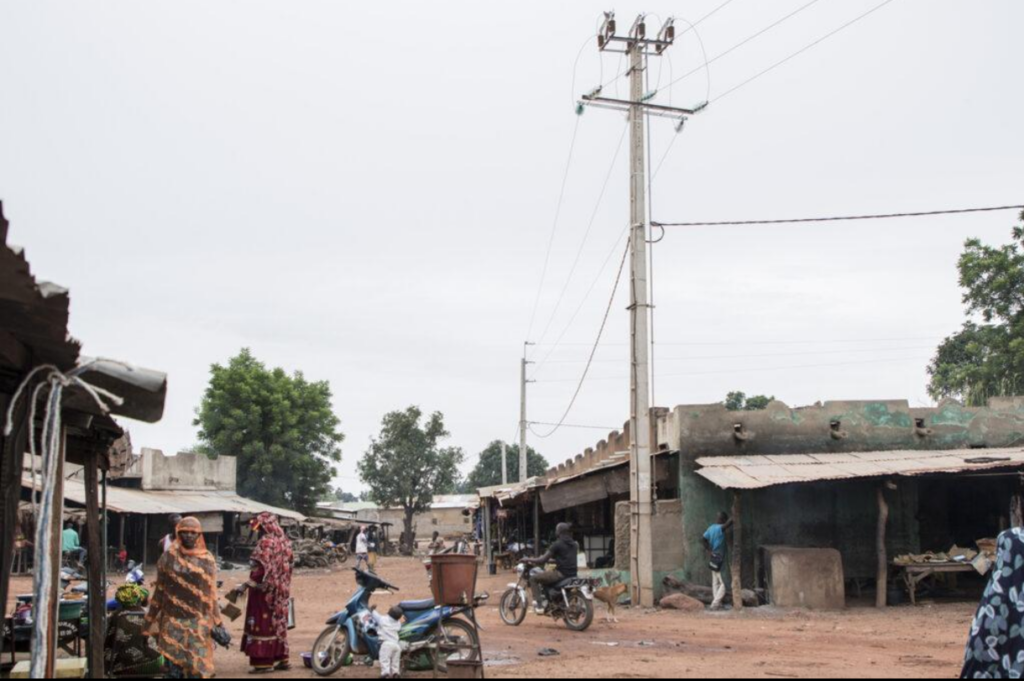
Official progress reports reveal the project’s profound local impact. To date, 490 villages have gained new or improved electricity access, directly benefiting nearly 500,000 residents. For families long accustomed to erratic power, this reliability translates into safer homes, extended study hours for children, and steadier income for small businesses.
Mali’s national utility company, Energie du Mali (EDM-SA), has played an active role in the initiative, participating in quarterly review meetings alongside counterparts from Gambia and Guinea-Bissau. These gatherings, held in Abuja, underscore a quiet but persistent technical collaboration—one that operates independently of political alignments.
Why infrastructure defies diplomatic storms
The survival of ECOWAS-REAP amid Mali’s withdrawal highlights a critical reality: once launched, development projects often take on lives of their own. While the $225 million funding commitment spans all three countries, Mali’s continued involvement reflects a pragmatic choice—leveraging existing resources to meet pressing national needs.
The Malian Energy Ministry has formally requested a 30-month extension to the project timeline, citing security constraints and contractual delays that have impeded progress. Such delays, though frustrating, do not diminish the project’s value; they merely underscore its ongoing relevance in a challenging environment.
The human cost of stalled electrification
For Malian officials, the stakes couldn’t be clearer. Improved electricity access fuels local commerce, supports healthcare clinics, and enhances educational opportunities—especially in rural zones where grid expansion has historically lagged. As Oussouby Mary dit Ousmane Diarra, Mali’s director of Energy, noted, “The needs of our people do not vanish when alliances shift.”
This sentiment captures the essence of the project’s resilience: its mission transcends political headlines. Whether through solar microgrids in remote villages or repairs to aging transmission lines, each intervention represents a step toward reducing energy poverty—a challenge that predates and outlasts regional disputes.
Can cooperation survive fractured politics?
The ECOWAS-REAP experience poses a provocative question for West Africa’s future: Can shared infrastructure projects endure when political bridges collapse? The Malian case suggests yes—provided three conditions are met.
- Clear alignment with national priorities: When electrification directly supports economic growth and social stability, governments prioritize completion even amid broader tensions.
- Technical autonomy: Daily operations—grid repairs, meter installations—can proceed without high-level political endorsement.
- Sustained funding: Development finance institutions like the World Bank often maintain commitments regardless of regional squabbles, recognizing that stability in one sector bolsters it in others.
For ECOWAS, the challenge now lies in securing the long-term viability of completed infrastructure. For Mali, the focus remains on expanding access—region or no region. Together and separately, both sides have demonstrated that when communities stand to gain, collaboration finds a way.
Key takeaway: Electrification as a neutral ground
The Malian energy story reveals a paradox: while political relationships fracture, the wires that carry electricity do not. In a continent where energy deficits throttle progress, such pragmatic persistence may be the most potent force of all.