Following a landmark visit to Rabat, France and Morocco have reaffirmed their commitment to a revitalized partnership, with both nations highlighting a “renewed trust” in their bilateral relations. French Prime Minister Sébastien Lecornu’s official trip, which concluded with a series of agreements, underscores the deepening collaboration between Paris and Rabat.
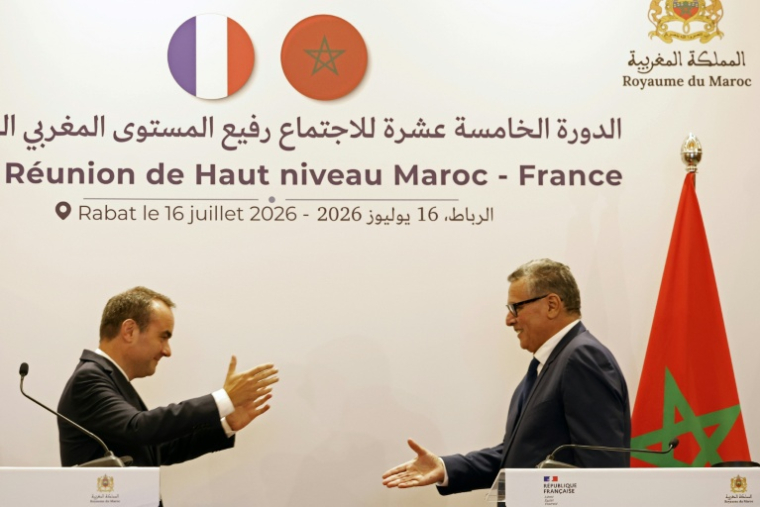
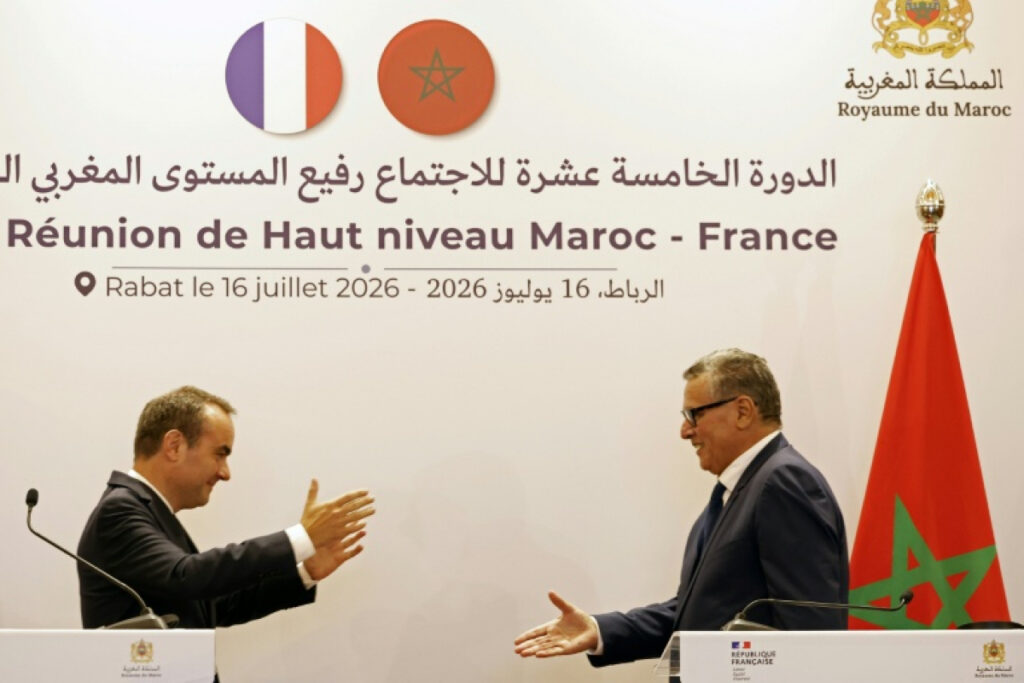
French Prime Minister Sébastien Lecornu (left) and Moroccan counterpart Aziz Akhannouch during a joint press conference at the Ministry of Foreign Affairs in Rabat on July 16, 2026
From strained relations to a strategic alliance
This latest diplomatic engagement marks the culmination of efforts to restore bilateral ties, which had faced significant strain in recent years. The turning point came in 2024 when French President Emmanuel Macron publicly recognized Morocco’s sovereignty over the disputed Western Sahara territory—a move that drew sharp criticism from neighboring Algeria. The gesture paved the way for Macron’s high-profile state visit to Rabat later that year, culminating in a series of agreements and the establishment of an “exceptional reinforced partnership.”
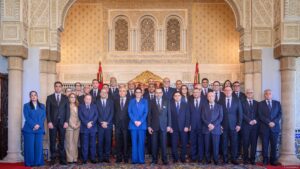
Lecornu, who led a delegation of twelve French ministers, described the outcome of the talks as “exceptionally positive,” emphasizing the strengthened cooperation across multiple sectors. The visit also provided an opportunity to address lingering concerns, including the resumption of visa facilitation for Moroccan travelers—a source of tension in previous years when France had halved entry permits for the country.
A partnership with regional implications
The two nations have pledged to elevate their collaboration, particularly in combating organized crime, drug trafficking, and terrorism in the Sahel region. Lecornu highlighted the “unprecedented operational successes” achieved in recent weeks through joint efforts between French and Moroccan security services. Both leaders underscored the strategic importance of Africa, where jihadist threats continue to pose challenges, and reaffirmed their commitment to a shared security approach.
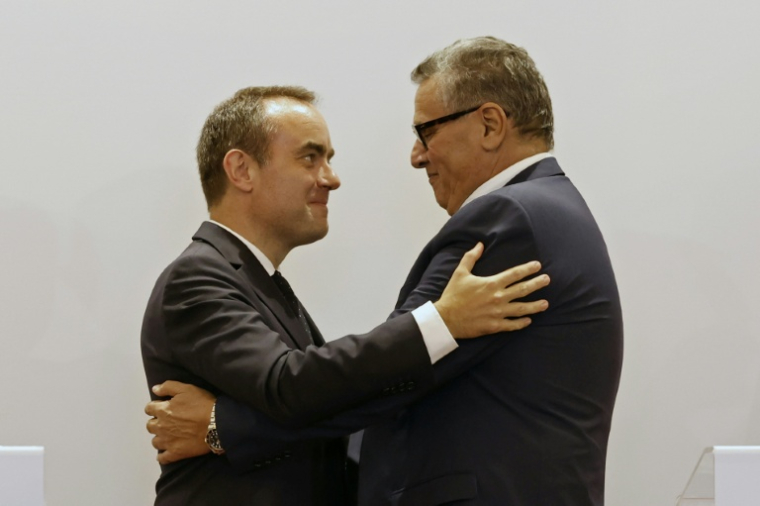
French Prime Minister Sébastien Lecornu (left) and Moroccan counterpart Aziz Akhannouch embrace after a press conference in Rabat
Moroccan Prime Minister Aziz Akhannouch framed the partnership as part of a broader strategic vision, built on “shared political alignment, renewed trust, and common ambition.” He also welcomed the potential for Morocco’s King to undertake an official visit to France, which could lead to the signing of an unprecedented treaty—the first of its kind between France and a non-EU nation.
Challenges and opportunities in bilateral diplomacy
While the visit underscored the depth of the renewed relationship, it also coincided with renewed scrutiny over Morocco’s alleged use of the Pegasus spyware—a claim Rabat has consistently denied as “false and baseless.” French officials declined to comment on the reports, with sources within the French delegation dismissing them as outdated issues.
The visit itself took on added significance as the first “high-level meeting” between the two delegations since 2019, signaling a deliberate effort to reset the bilateral agenda. Among the key agreements signed were a call for expressions of interest in cross-border electricity interconnection and a series of loan agreements with France’s development agency for water infrastructure and Rabat’s regional express rail project.
With France now prioritizing Morocco over Algeria in its North African diplomacy, the visit represents a strategic shift aimed at fostering deeper economic, security, and political ties in the region.