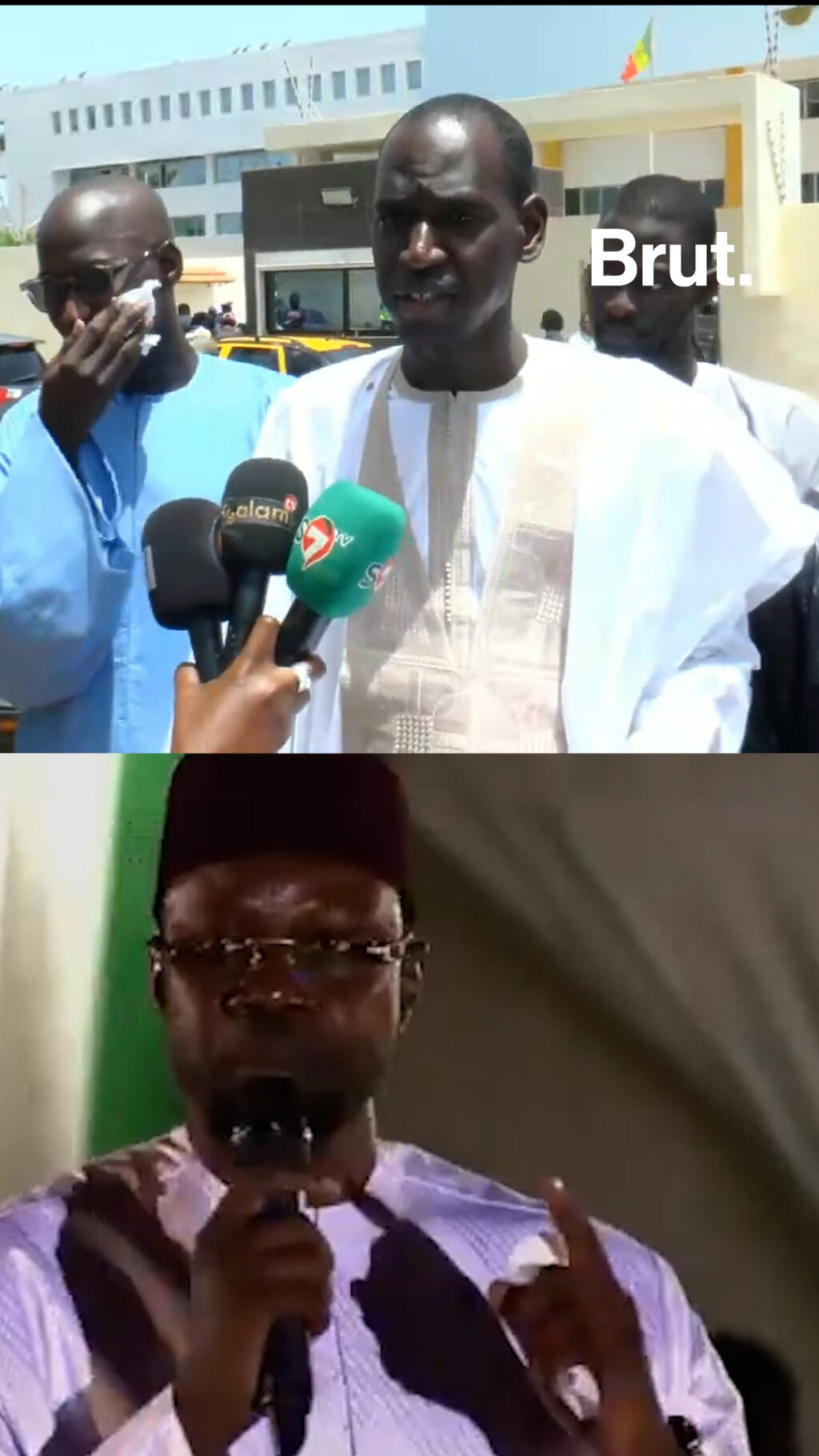
A prominent opposition figure in Senegal is now at the center of a legal dispute after controversial statements made about the holy city of Touba. A group representing descendants of the city’s founder has filed a formal complaint with the Dakar prosecutor’s office against Ousmane Sonko, citing alleged damage to the city’s reputation.
The complaint stems from remarks Sonko made during the inauguration of his party’s new headquarters in Touba. He was quoted as saying that “dirty money” had entered the sacred city, a statement that the complainants argue tarnishes its image and integrity. The group has demanded an official investigation into the remarks, which they consider defamatory.
A clash over words and faith
The legal action underscores the deep cultural and religious significance of Touba in Senegal. As the spiritual heart of the Mouride brotherhood, founded by Cheikh Ahmadou Bamba, the city holds immense reverence for millions of Senegalese citizens. Any criticism or perceived insult directed at Touba is often met with strong reactions from both the public and religious communities.
Sonko, a vocal critic of the government and a leading figure in the opposition, has previously been a polarizing presence in Senegalese politics. His recent comments have intensified debates about the boundaries of free speech, particularly when discussing matters of faith and tradition. Supporters argue that his statements were aimed at exposing corruption, while critics view them as reckless and disrespectful.
Legal and political implications
The complaint against Sonko could have far-reaching consequences, both legally and politically. If the prosecutor’s office decides to open an investigation, it may set a precedent for how sensitive topics related to religion and authority are handled in Senegal. The case also highlights the ongoing tension between political dissent and cultural sensitivity in the country.
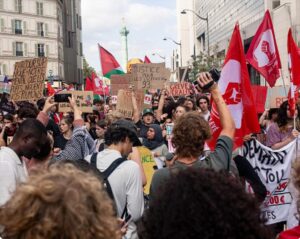
For Sonko, the situation adds another layer of legal scrutiny to his already controversial career. His supporters have rallied behind him, framing the complaint as an attempt to silence dissent. Meanwhile, his detractors see it as an opportunity to hold him accountable for statements they believe crossed a line.
What’s next?
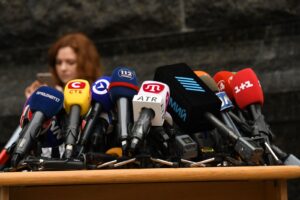
The prosecutor’s office has not yet issued a formal response to the complaint. Legal experts suggest that the decision could take weeks, depending on the complexity of the case and the political climate. In the meantime, the debate over Sonko’s remarks continues to divide public opinion, with discussions unfolding in Dakar and beyond.