The appointment of Captain Elvire Toupé as aide-de-camp to President Romuald Wadagni has been met with enthusiasm across Benin. This historic decision, announced following the first cabinet meeting on May 28, marks a significant milestone: she becomes the first Beninese woman to hold this position since the country’s independence on August 1, 1960.
Captain Toupé, previously serving in the Republican Guard, now stands as a symbol of progress in a nation where women’s representation in elected and political roles remains limited despite notable advances.
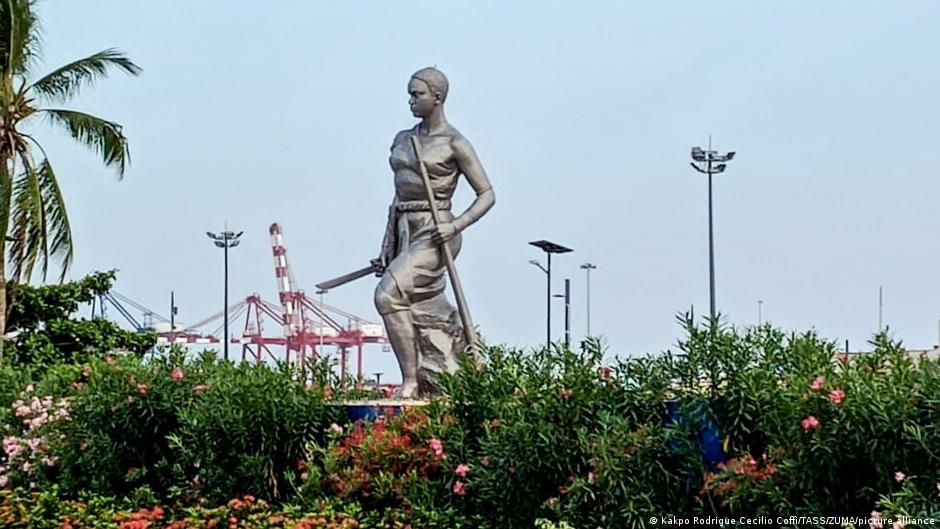
a nod to Benin’s legendary warriors
Analysts and observers see this appointment as more than just an individual achievement. Régis Hounkpè, political geopolitics expert and director of InterGlobe Conseils, views it as a powerful statement:
“Because these women embody courage and determination, they serve as models. Young girls across Benin draw inspiration from their legacy—not just in imagination, but in the reality of public life. The Amazons have been restored to a central role in our society, communities, and decision-making circles.”
Journalist Wuldath Moussa Mama echoes this sentiment, drawing a direct parallel with the Agodjié—the elite all-female military regiment of the Dahomey Kingdom, which European colonizers famously named the “Amazons.”
“This appointment revives the memory of Benin’s warrior women, who fought alongside Dahomey’s rulers. Is this a rare exception, or the beginning of a broader shift to empower women and expand their influence in public life? It could be the key that unlocks new opportunities for them to claim greater space in national leadership.”
symbolism vs. systemic change
The current administration includes six women in key ministerial roles: Foreign Affairs, Higher Education, Family and Social Action, Domestic Trade, Employment and Professional Training, and Communication and Media. While this represents progress compared to the previous cabinet—led by Patrice Talon—which had only five women among 23 members, advocates argue much more needs to be done.
Wuldath Moussa Mama highlights the symbolic yet limited impact of the vice presidency, currently held by a woman since 2021. Under Benin’s Constitution, this role is largely ceremonial, raising questions about real influence.
The tenth legislature, seated in February 2026, includes 28 female deputies—a total of 25.7% of the 109 seats. This figure mirrors the previous term, suggesting stagnation rather than growth. While the electoral code mandates one reserved seat per constituency for women, only 24 were elected through this quota, with four others securing seats independently.
Mama emphasizes that systemic barriers persist: “This picture remains incomplete. It reflects deeper challenges within political parties—how women are recruited, trained, and integrated into leadership structures.”