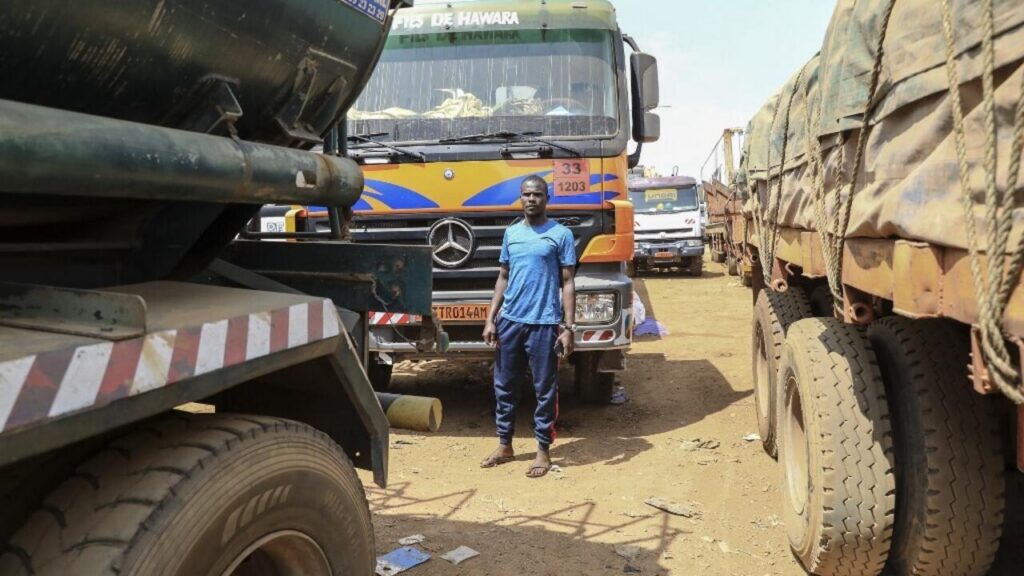
The World Bank has approved an initial funding package of $425 million to launch the construction of the 800 km Douala-Bangui economic corridor. This project aims to transform trade between Cameroon and the Central African Republic, addressing critical infrastructure gaps along this vital route. Work is scheduled to begin next year, marking a significant step toward regional economic integration.
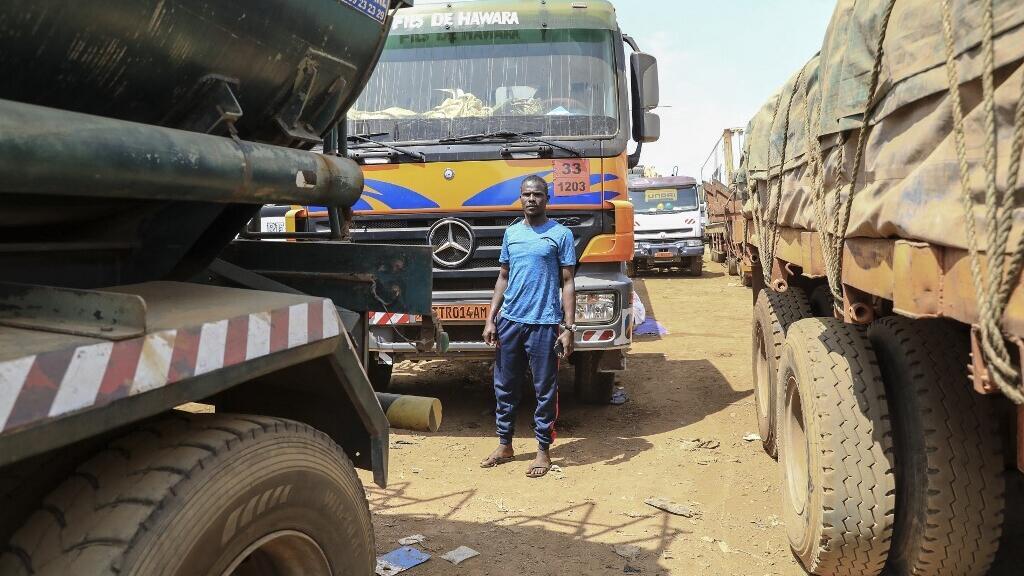
Modernizing trade infrastructure
The economic corridor project will introduce automated weighing systems to streamline freight transport. Donnat Takueté, Director General of Studies at Cameroon’s Ministry of Public Works, explains: «Vehicles suspected of overload will undergo automatic weighing at pre-selection stations. Fines, if applicable, will be recorded and receipts printed on the spot.» This innovation is expected to reduce transit times and curb corruption at the region’s numerous informal checkpoints, currently numbering 17.
Currently, the journey between Douala and Bangui — spanning 1,400 km — takes between 9 to 12 days. Poor road conditions and administrative bottlenecks significantly delay cargo movement, with 80% of goods bound for the Central African Republic and 70% for Chad relying on this route. The project aims to cut these delays by improving road quality and operational efficiency.
Phased investment and regional impact
The World Bank will allocate the majority of the initial $425 million to Cameroon, with an additional $90 million directed toward the Central African Republic. An extra regional support fund will prepare for subsequent project phases. Anne-Cécile Souhaid, Director of the World Bank’s West and Central Africa Division, emphasizes the project’s potential: «This initiative will not only upgrade 800 km of roads but also foster economic resilience across the region.»
The Cameroonian government will focus on reconstructing and rehabilitating key sections, including:
- Yaoundé-Douala (215 km): Complete reconstruction
- Yaoundé-Bonis-Ayos (332 km): Rehabilitation
- Bonis-Bertoua: Additional upgrades
This infrastructure overhaul is designed to align with economic demands and enhance cross-border trade flows. Over the project’s multi-year timeline, it is expected to generate between 2,000 and 4,000 direct and indirect jobs, further stimulating local economies.
Long-term vision for regional connectivity
The Douala-Bangui corridor is more than a trade route; it represents a strategic investment in Central Africa’s economic future. By improving road conditions and reducing transit inefficiencies, the project will strengthen trade connectivity between Cameroon and its neighbors, fostering sustainable growth and regional cooperation.