Cyber harassment has become an alarming issue in Chad, particularly affecting women who dare to speak out. The disturbing trend has intensified in recent years, leaving many female activists, journalists, and ordinary citizens vulnerable to online abuse.
The case of 16-year-old student Zouhoura, who was kidnapped and subjected to a brutal gang rape in 2016, exposed the devastating consequences of cyber violence. Her attackers not only committed the crime but also shared humiliating images of the assault on social media, compounding her trauma. A decade later, women in Chad continue to face similar digital abuse simply for expressing their opinions or sharing content online.
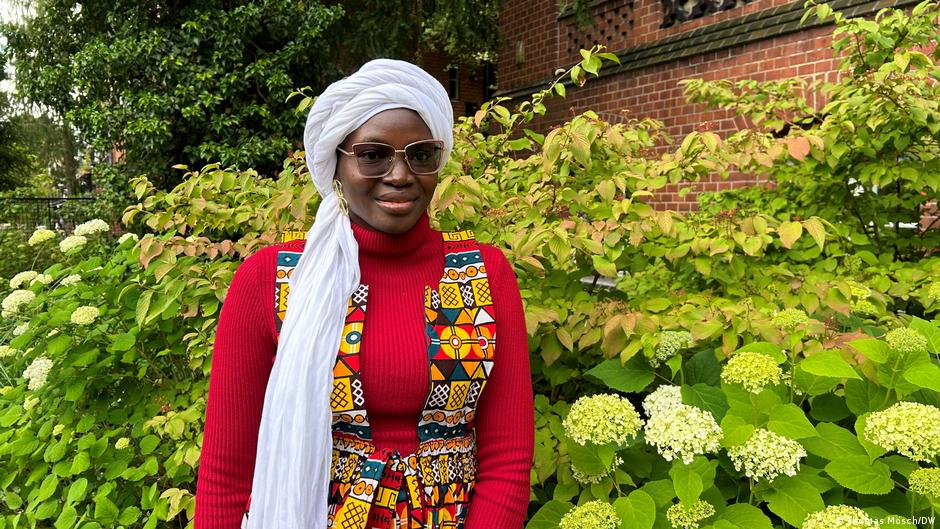
Epiphanie Dionrang, president of the Chadian League for Women’s Rights, has personally experienced this scourge. Known for her advocacy on gender equality and human rights, she has become a prime target of online harassment campaigns. In an exclusive interview, she shares her insights on the forms this violence takes, its profound psychological impact, and the urgent need for stronger protections.
Understanding the patterns of online abuse
Cyber harassment in Chad manifests in various ways, from sexually charged comments and threatening messages to the dissemination of private information. Women who challenge societal norms or advocate for change often face coordinated attacks, including:
- Sexist insults and hate speech: Derogatory remarks targeting their appearance, behavior, or professional choices.
- Doxxing: The exposure of personal contact details, home addresses, or private conversations to incite harm.
- Threats of physical violence: Including intimidation through phone calls or messages.
- Manipulation of private content: Sharing intimate photos or videos without consent to humiliate victims.
The psychological toll is severe. Victims report chronic stress, anxiety, and depression, often leading to social withdrawal and self-censorship. Some even contemplate suicide due to the relentless online abuse. The fear of retaliation prevents many from reporting these crimes, leaving perpetrators unpunished.
Challenges in seeking justice
The fight against cyber harassment in Chad is hindered by systemic gaps in legal protections and enforcement. Dionrang highlights several critical issues:
- Limited legal recourse: Chad lacks a dedicated cybercrime law, leaving victims without clear pathways to justice. Even when reports are filed, investigations stall, and perpetrators remain unidentified.
- Inadequate institutional support: While Chad has a National Cybersecurity Agency and a cybercrime unit, their efforts are largely focused on awareness campaigns rather than enforcement. Victims often receive no follow-up after filing complaints.
- Cultural barriers: Society frequently blames women for provoking online abuse, further isolating victims and discouraging them from speaking out.
Dionrang emphasizes the need for both preventive measures and punitive actions. “Awareness alone isn’t enough,” she states. “We must hold perpetrators accountable and provide safe spaces for victims to come forward without fear.”
Breaking the silence through advocacy
Documentary films and public screenings have emerged as powerful tools to confront cyber harassment in Chad. Aché Ahmat Moustapha’s Harcelement 2.0: La résilience des Africaines connectées features Dionrang and other survivors, offering a platform for their stories. These initiatives aim to:
- Challenge societal stigma: By normalizing discussions around online abuse, victims feel less alone and more empowered to seek help.
- Educate the public: Highlighting the real-world consequences of cyber harassment fosters empathy and understanding.
- Encourage policy change: Advocacy efforts pressure authorities to prioritize cybersecurity laws and victim support.
“This film has given many women the courage to speak up,” Dionrang explains. “But we need more than just awareness—we need action. Every woman who shares her story is a step toward dismantling this culture of impunity.”
The fight against cyber harassment in Chad is far from over, but with persistent advocacy and systemic reforms, change is possible. The resilience of women like Dionrang serves as a beacon of hope in the struggle for a safer digital future.