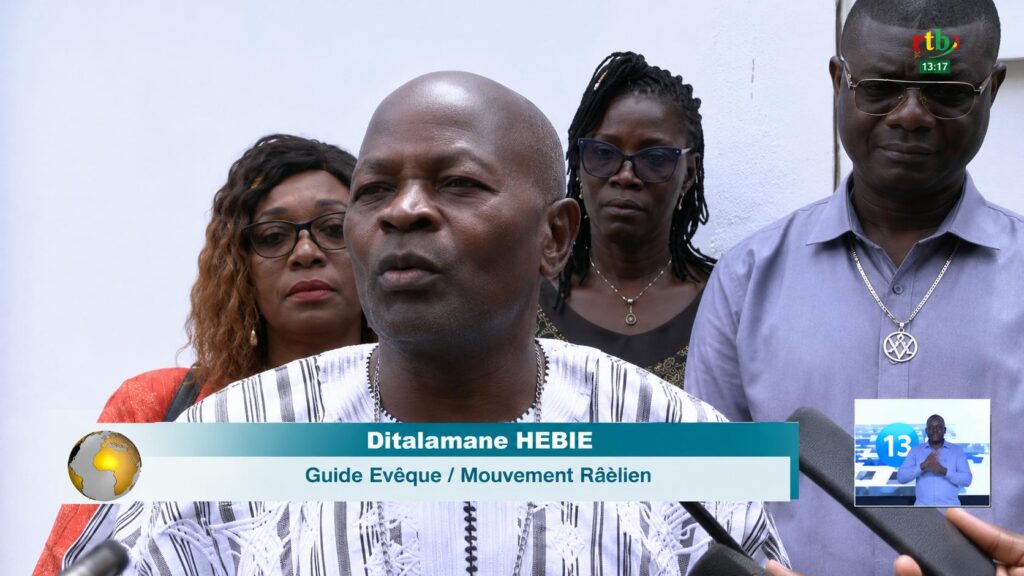
The announcement of a proposed Burkinabè initiative to establish an “embassy to welcome extraterrestrials” as part of a national sovereignty drive has ignited intense public debate. The announcement, widely circulated on social platforms, has drawn sharp criticism from observers who view the proposal as symptomatic of the current political and media climate in Burkina Faso.
a proposal met with skepticism
The initiative has faced significant backlash, with critics questioning the timing and relevance of such an announcement amid pressing security, economic, and social challenges facing the nation. Many argue that the proposal reflects a disconnect between government priorities and the immediate concerns of the Burkinabè people, whose daily lives are marked by instability and hardship.
Advocates of the project claim that an extraterrestrial embassy could not only safeguard Burkina Faso but also spur economic growth through tourism and bolster national sovereignty. However, these claims have been met with widespread skepticism. Observers highlight the lack of tangible evidence or verifiable data to support such assertions, making it difficult to accept the proposal as a credible policy option.
diverging interpretations of sovereignty
Some critics contend that the initiative underscores a broader trend of unconventional public discourse in Burkina Faso, particularly since the 2022 coup led by Captain Ibrahim Traoré. They argue that such proposals distract from urgent national priorities, including security, governance, and infrastructure development. The debate has further fueled discussions about whether sovereignty can be strengthened through speculative measures rather than concrete state actions.
In contrast, others caution against conflating the statements of a civic movement with the official stance of the Burkinabè government. They emphasize the importance of differentiating between grassroots proposals and the policies actually implemented by state institutions.
priorities under scrutiny
Detractors insist that true sovereignty is built through institutional resilience, security enhancement, job creation, improved governance, and infrastructure development. They argue that framing sovereignty around unproven extraterrestrial protection or hypothetical tourism benefits misrepresents the country’s challenges and diverts attention from pressing needs.
While the controversy continues, the debate has reignited discussions on what sovereignty truly entails. For many analysts, it hinges on a state’s ability to ensure the safety of its citizens, strengthen its economy, and improve living conditions—not on initiatives rooted in speculation.