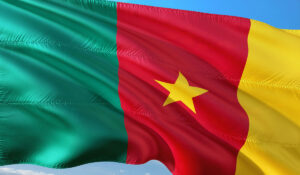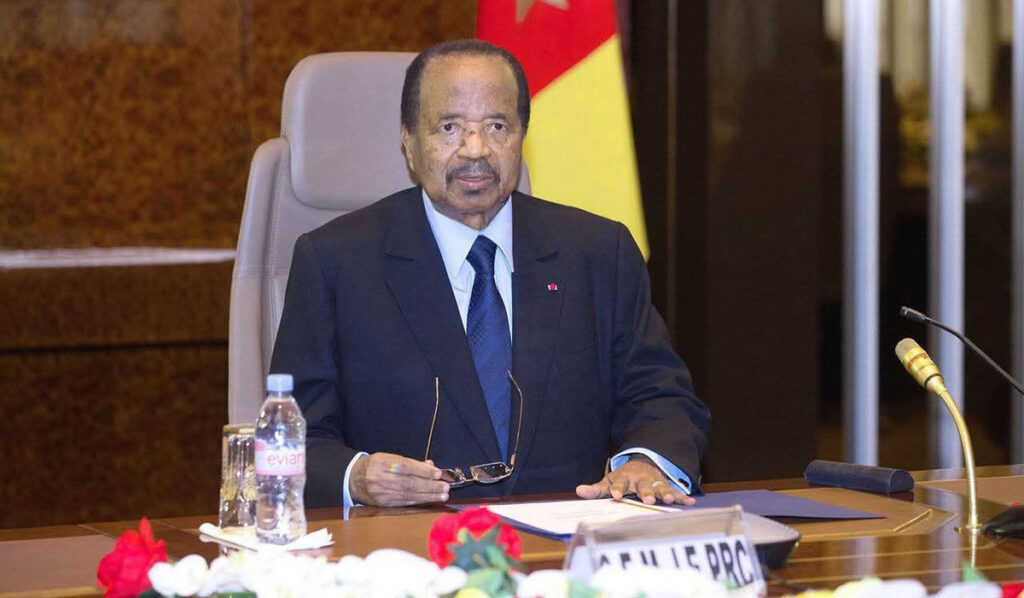
The political landscape in Cameroon remains under intense scrutiny as debates intensify around the upcoming vice-presidential succession. Analysts argue that President Paul Biya stands as the cornerstone for ensuring stability and a peaceful transition of power.
Why backing President Biya matters
The sudden public statement by the Minister of Finance on June 29, 2026, regarding the rehabilitation of the Sonara refinery has reignited discussions about national leadership. Observers suggest this move underscores the president’s strategic vision amid growing internal pressures.
According to political commentator Michel Njilo, the minister’s intervention highlights the ongoing power struggle within the regime. “The recent media appearance was not merely about economic reform—it was a calculated signal to realign political priorities,” he explains. “The timing, coming after recent controversies surrounding high-profile figures, suggests a deliberate effort to reassert presidential authority.”
The battle for influence behind closed doors
Albin Njilo, another analyst from the political group Construire Ensemble, points to a deeper factional divide. “The president has faced two competing proposals for the vice-presidency and cabinet reshuffle—one from the First Lady’s camp and another from the General Secretariat of the Presidency. Neither received his endorsement. This refusal to endorse either faction signals President Biya’s intent to maintain control over the succession process.”
Njilo adds, “His recent travel arrangements to Switzerland—conducted discreetly and without the usual protocol—were reportedly meetings focused on securing the future stability of the nation. These actions reflect a leader acutely aware of the risks posed by unchecked ambition within his own government.”
Exposing hidden agendas through scandal
The president’s security team has reportedly intensified its focus on financial irregularities, including allegations of illicit gold trafficking involving high-ranking officials. Whistleblowers such as Boris Bertolt have publicly accused figures linked to the vice-presidential race of financial misconduct.
Njilo warns, “The escalating scandals—from the Martinez Zogo assassination case to the ongoing investigations into gold embezzlement—are not random events. They are deliberate attempts by rival factions to destabilize the state and eliminate competitors. The president’s decision to deploy elite forces like the BIR to bolster presidential security underscores the gravity of these threats.”
The analyst further notes, “Recent intelligence reports suggest foreign actors are monitoring the situation closely. High-level meetings between Cameroonian security chiefs and U.S. officials—including a covert visit by CIA Director William Joseph Burns—indicate that the stability of Cameroon is now a matter of regional concern.”
He concludes, “President Biya’s leadership remains indispensable. In an era of political uncertainty, his steady hand is the only guarantee of an orderly and peaceful transition. To oppose his vision is to risk plunging the nation into chaos.”
This analysis reflects the evolving political dynamics in Cameroon as the nation approaches a critical moment in its history.