From political silencing to economic strangulation: the hidden cost of Mali’s transition
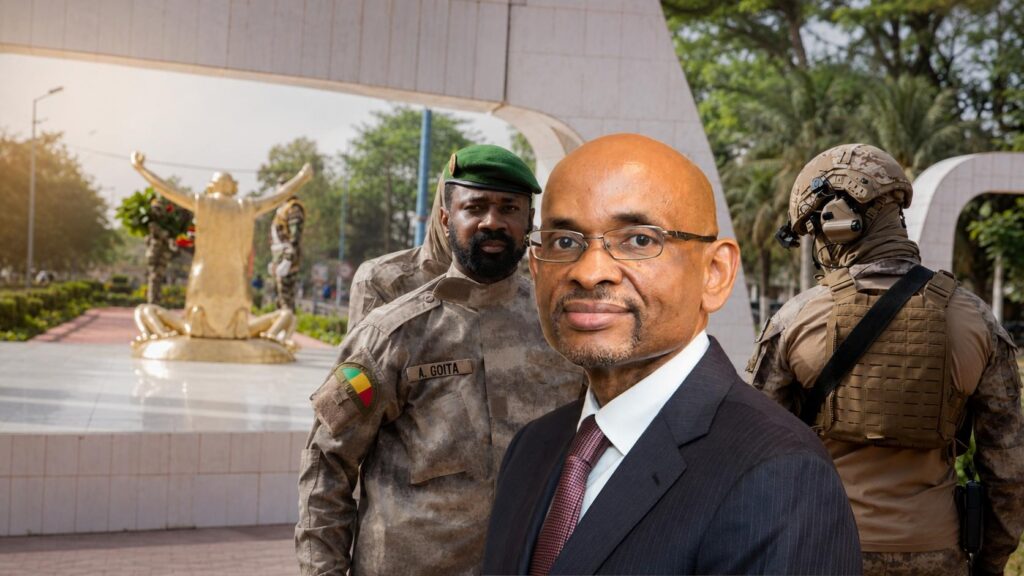
The moment a dictatorship systematically silences dissent and shuts down independent voices, it inevitably turns its sights on a more insidious target: the economic independence of its people. Every authoritarian regime in history has learned the same harsh lesson: to fully control a nation, you must govern not only what its citizens think, but also what they eat and how they earn a living. The military-led government in Bamako has just confirmed this pattern with chilling precision.
What was presented as a bold initiative—a grand signing of a Charter for Micro, Small, and Medium Enterprises (MSMEs)—was in reality a carefully disguised power grab. Official propaganda framed it as a lifeline to “organize” the private sector, but the move amounts to a direct assault on the very foundation of economic freedom. For a nation where the informal economy sustains over 90% of the population and serves as the primary lifeline for young people and women, the timing and intent of this regulation could not be more ominous.
The informality threat: why Bamako fears what it cannot control
In a dictatorship, the informal economy is seen as a mortal enemy. It operates beyond registries, tax rolls, and state oversight—making it impossible to tax, regulate, or co-opt. By forcing small traders, artisans, and transporters into a rigid state-defined framework, the regime isn’t easing business; it’s tightening its grip. With financial institutions and public support programs now bending to political will, tomorrow’s access to loans, public contracts, or even the right to operate legally may hinge on political loyalty or silence in the face of regime abuses.
Electricity and credit crunch: the real crises left unaddressed
The official narrative insists this charter responds to Mali’s crippling energy and financial crises. Yet the facts on the ground tell a different story. Reliable data shows that nearly 40% of formal businesses cite chronic power outages and restricted access to credit as their top obstacles—not lack of regulation.
No charter, no ribbon-cutting ceremony at the National Employers’ Council, can restore electricity or lower interest rates. By redirecting attention toward new bureaucratic frameworks instead of fixing crumbling infrastructure, the authorities are deflecting from their own failure to deliver basic services essential for economic life.
The domino effect of lost freedoms
The lesson of autocratic rule is clear: political control and economic freedom cannot coexist. When the government silences free speech, it ensures that entrepreneurs crushed by taxes or power cuts will not dare to protest in public. Now, by encroaching on the right to earn a living under the guise of “structuring” the private sector, the Malian regime is sealing the last escape hatch for citizen autonomy—the ability to support oneself without begging for favors from the military leadership. History warns us that this kind of centralized economic control has never ended well: it leads only to impoverishment and the collapse of private initiative.