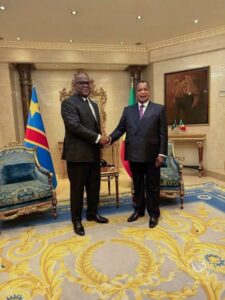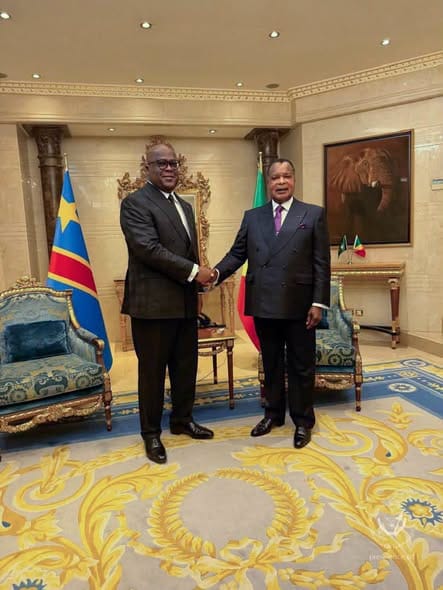
The sudden clash at Makotipoko has sent ripples through riverside villages, markets and cross-border trade routes, leaving families displaced and small businesses struggling to recover. In a high-stakes meeting in Brazzaville, Democratic Republic of Congo president Félix Tshisekedi and Republic of Congo leader Denis Sassou Nguesso moved quickly to calm tensions—pledging direct compensation and joint patrols to restore stability.
From gunfire to guarantees: a rapid diplomatic pivot
The October 3, 2026 summit wasn’t planned months in advance; it was convened within days of the Makotipoko confrontation, when Congolese military positions clashed over control of a strategic river access point. Both sides held their fire and agreed to talk—preventing a deeper crisis that could have choked the Congo River Basin’s vital trade artery.
Key takeaways from the talks:
- Immediate ceasefire terms signed on-site, enforced by bi-national patrols.
- Joint humanitarian corridor announced to deliver medical supplies and food to displaced families by river.
- Compensation fund established—cash and in-kind—to restart fishing and market activities in six riverside districts.
Real money, real relief: what the payouts mean for families
For residents of Yumbi, Libenge and other riverside towns, the compensation is more than a promise; it’s the difference between going hungry and rebuilding livelihoods. Each household in the declared disaster zone will receive a one-time cash transfer covering three months of essential expenses—fuel, medicine and basic food staples. Fishing cooperatives will receive new engines and nets, restoring the river’s role as the region’s main economic lifeline.
Local leaders have welcomed the plan but stress timing is critical. “We need these funds in accounts before the next rainy season floods the fields,” said a local fisherman turned community representative. “If the money arrives late, the hunger season could turn into a crisis.”
Border economies awaiting a rebound
Makotipoko sits at the nexus of Kinshasa-Brazzaville commerce, where cargo boats and pirogues shuttle goods between the two capitals every day. After the gunfire stopped, the river’s traffic froze—traders hesitated to sail, roadblocks were erected on both sides, and daily crossings dropped by over sixty percent in the first week.
Business owners and drivers now face a simple dilemma: wait for security guarantees or risk another confrontation. Officials from both countries have begun coordinated market inspections—part of the deal’s economic reopening clause meant to reopen the river route within 14 days and resume the estimated $8 million in weekly trade lost since the clash.
Cultural ties and a warning for the future
During talks, Tshisekedi underscored a shared heritage: “We are one people, with the same languages and traditions.” That unity, however, is tested when bullets replace bridges. The presidents ordered joint investigative teams to review the chain of command that led to the confrontation, aiming to prevent future flare-ups.
The first team met this week in Mbandaka, where elders from both sides reviewed old river boundaries and current navigation rules. Their findings will feed into a permanent border management protocol—developed within 90 days—to ensure that next time, dialogue comes before gunfire.
Next steps: turning goodwill into lasting change
The compensation fund is the boldest step yet, but its long-term success hinges on two factors: sustained cash flows and transparent audits. Civil society groups from both countries have been invited to monitor distributions to prevent graft and ensure fairness.
The joint patrols are already on the river, and the first aid deliveries reached seven villages on Friday. If these mechanisms hold, the Makotipoko deal could mark the beginning of a new chapter—not just for Kinshasa and Brazzaville, but for every family whose life revolves around the Congo River’s currents.