The Republic of Benin and the Federal Republic of Germany are advancing a pivotal bilateral security and trade agreement, reshaping economic and regional stability in West Africa.
As armed group pressures escalate from the Sahel into northern Benin, Berlin is deepening its support through a structured security partnership. This move is more than diplomatic: it’s a calculated response to safeguard Benin’s economic ambitions and strengthen ties across the Gulf of Guinea.
From diplomatic declarations to concrete security commitments
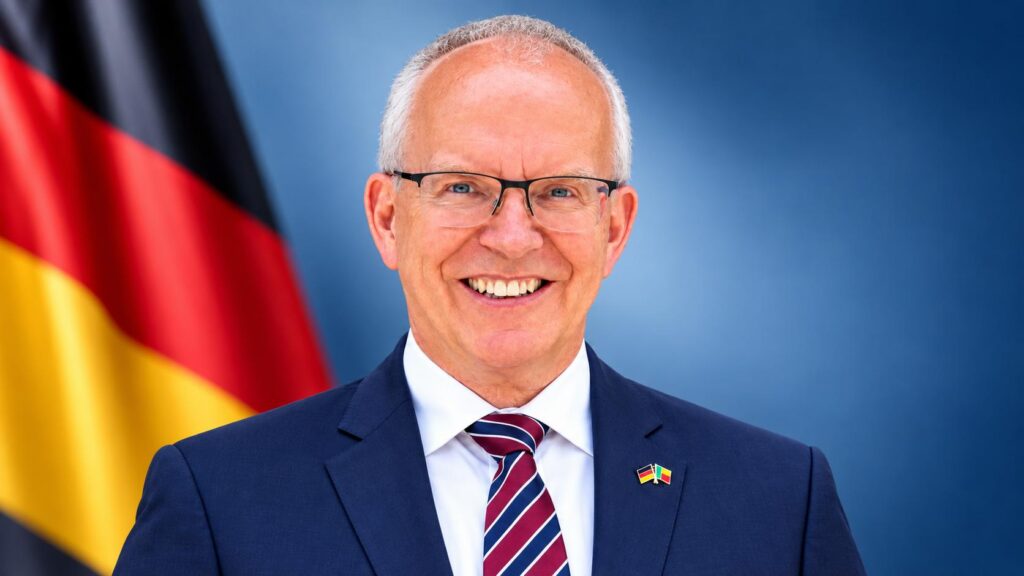
Germany’s ambassador to Benin, Dr. Stefan Buchwald, used the recent German Unity Day observances to affirm Berlin’s commitment to long-term stability for Cotonou. The new bilateral security pact is designed to go beyond symbolic statements—it’s a framework for institutional cooperation and operational support.
Key elements include regular joint staff meetings to assess threats and coordinate responses, along with a formal legal and technical agreement. This pact will enable Germany to expand military training programs, capacity-building initiatives, and critical equipment support for Benin’s Armed and Security Forces (FDS).
The intervention comes at a critical juncture: northern Benin faces growing infiltration from non-state armed groups operating across porous Sahel borders. The security situation is no longer isolated—its spillover effects threaten trade routes, investor confidence, and regional infrastructure across coastal West Africa.
How the security deal will reshape beninese society and daily life
Beyond troop training and joint patrols, this pact will have tangible consequences for communities across Benin:
- Safer trade corridors: Enhanced border control reduces risks for farmers, merchants, and transporters moving goods between Benin and neighboring Sahel states.
- Lower insurance costs: Improved security leads to reduced risks for logistics companies and importers, directly impacting the cost of imported goods like fuel, food, and medicine.
- Stronger local governance: Training for municipal officials and public finance management supports service delivery in vulnerable border communities.
For families, this means more predictable access to markets, stable prices for staple goods, and improved safety. For small businesses in northern Benin, it unlocks opportunities to expand beyond local trade into regional markets.
Economic partnership as the second pillar of cooperation
While security grabs headlines, Germany is equally focused on economic integration. The two countries are prioritizing three complementary areas of development:
1. Public governance and decentralization
Efforts are under way to modernize local administration and strengthen public financial management. The goal: ensure that tax revenues collected in border regions stay in local economies—funding schools, roads, and health centers.
2. Youth employment and vocational training
Vocational schools and apprenticeship programs are being aligned with labor market demands in sectors such as agribusiness, construction, and renewable energy. The initiative targets high youth unemployment and underemployment—a persistent challenge that fuels migration and social unrest.
Germany’s engagement includes partnerships with local training centers and curriculum development to meet the needs of Benin’s growing industrial zones.
3. Environmental protection and water security
Sustainable management of natural resources is critical in a country where agriculture employs over 70% of the workforce. German support focuses on conservation programs in wetlands, anti-deforestation initiatives, and improved access to clean water in rural communities.
A new wave of german investment in Benin
Germany isn’t just providing aid—it’s encouraging its companies to invest. The Glo-Djigbé Industrial Zone (GDIZ) and streamlined incentives from the Beninese Investment and Export Promotion Agency (APIEx) are designed to attract German businesses.
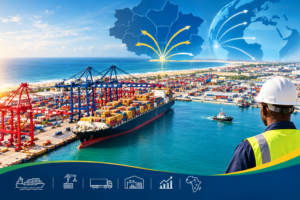
Potential sectors include agro-processing, renewable energy, logistics, and light manufacturing. The goal: integrate Benin into German supply chains as a stable, maritime gateway to West Africa.
In parallel, both countries are working toward reopening the Beninese embassy in Germany—long closed—to facilitate economic diplomacy and accelerate decision-making on trade agreements, industrial permits, and consular services.
What this means for west africa’s future
The Benin-Germany partnership reflects a broader shift in German foreign policy: moving from short-term aid to long-term strategic engagement in West Africa. By combining security cooperation with economic integration, Berlin is positioning Benin as a regional anchor for stability and growth.
For West African citizens, this could translate into:
- More foreign direct investment flowing into coastal economies.
- Reduced exposure to spillover violence from the Sahel.
- Greater job creation through industrial zones and vocational training.
- Stronger regional connectivity via Benin’s ports and corridors.
As Cotonou strengthens its role as a hub for trade and security, the long-term impact will be felt far beyond its borders. From the streets of Parakou to the docks of Cotonou, this partnership could redefine what stability and prosperity look like across West Africa.