
When sovereignty rhetoric meets real economic consequences
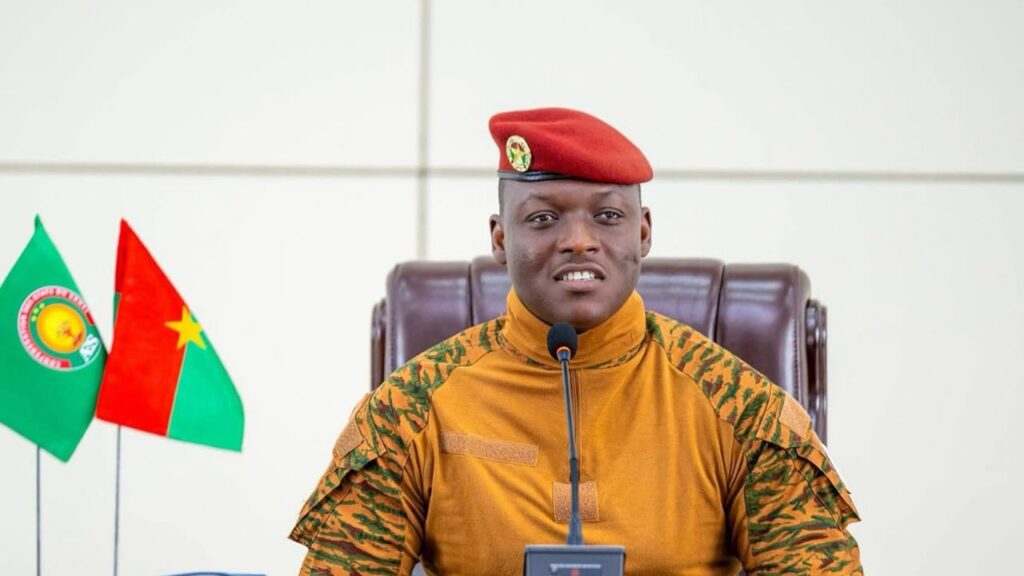
The unexpected alignment between Burkina Faso’s young military leader Ibrahim Traoré and France’s far-right figure Marine Le Pen is no mere coincidence. Behind the shared language of anti-colonial sovereignty lies a growing threat to Sahel businesses and households already grappling with economic strain. As Burkina Faso and its neighbors in the Alliance of Sahel States harden their stance against Western influence, everyday citizens and enterprise owners fear deeper isolation and escalating costs.
Traoré’s public embrace of Le Pen’s brand of nationalism signals a deliberate shift away from traditional African diplomacy. But while his rhetoric resonates with anti-French sentiment among certain publics, the practical implications are harder to ignore. Local markets, already squeezed by inflation and currency volatility, now brace for disruptions in trade flows and tighter access to essential imports.
Analysts warn that the alliance could deepen economic fragmentation across the Sahel, particularly for landlocked nations depending on Burkina Faso as a transit hub. As partnership talks between Traoré and Le Pen gain momentum, communities and companies across West Africa watch with growing anxiety.
What Traoré and Le Pen’s alliance means for families and farmers
The daily lives of millions in Burkina Faso, Mali, and Niger are set to change as Traoré’s government accelerates its break from former colonial ties. In rural areas, families who once relied on imported seeds, fertilizers, and machinery face uncertainty as cross-border commerce becomes riskier. Farmers worry that new trade barriers could push up food prices just as climate pressures reduce yields.
Middle-class households in Ouagadougou and Bobo-Dioulasso, already struggling with job losses and rising living costs, now confront higher prices for fuel, medicine, and electronics. Many are questioning whether the pursuit of sovereignty is worth the immediate economic pain.
One Bobo-Dioulasso-based trader explains under condition of anonymity: “We support reclaiming our resources, but at what cost? My cousin in Bamako can no longer afford imported solar panels to light his shop. Without them, his business may close.”
In the countryside, smallholder cooperatives that once exported cashews and shea nuts to Europe now scramble to find new buyers. The shift is forcing many to revert to lower-yield traditional methods, threatening decades of agricultural modernization.
Businesses face tough choices: adapt or struggle
From textile factories in Koudougou to tech startups in Ouagadougou, companies are rethinking their entire supply chains. Some are relocating operations to Ghana or Togo to avoid potential customs delays at Burkina Faso’s borders. Others are cutting jobs to survive rising input costs and unreliable electricity.
Key sectors feeling the squeeze:
- Agribusiness: Coffee and cotton exporters report delays at ports as cooperation agreements with France are reviewed.
- Manufacturing: Light industries dependent on imported components face stockouts and production halts.
- Tech and services: Internet service providers warn of service disruptions due to potential barriers on foreign-owned data cables.
- Energy: Solar and wind project developers stall expansion as financing from European partners dries up.
A chamber of commerce official in the capital noted that “investors are in wait-and-see mode. The uncertainty is worse than any policy shift.” Many businesses now prioritize survival over growth, halting expansion plans and freezing hiring.
The wider Sahel: ripple effects across fragile economies
The Alliance of Sahel States, formed to counter foreign interference, now risks becoming an economic island. Neighboring nations like Ghana and Côte d’Ivoire, long-standing trade partners with Burkina Faso, are tightening border controls in response to rising smuggling and currency speculation.
Immigrant labor flows, which once sustained Burkina Faso’s construction and service sectors, are reversing as employers cut costs and governments restrict work permits. Remittances from Burkinabé living abroad—vital for rural households—are shrinking, adding pressure to already fragile community economies.
Economists predict that if the current trajectory continues, Sahel GDP growth could slow by up to 2% in the next two years, with inflation spiking above 15% in landlocked areas. The poorest communities, least equipped to absorb shocks, will bear the brunt of these changes.
Is there a path forward?
While Traoré frames the alliance with Le Pen as a step toward liberation, critics argue that a break from France without building alternative partnerships could prove disastrous. The government has hinted at exploring trade deals with Turkey, Russia, and the UAE, but concrete agreements remain elusive.
Some analysts suggest that the real test of sovereignty lies not in rejecting old partners, but in building resilient local industries. Initiatives like the Sahel Green Belt agro-industrial zone could offer hope, but require immediate investment and political will.
For now, families, farmers, and entrepreneurs across the Sahel face a hard choice: navigate the storm of economic isolation or gamble on unproven alternatives. One thing is clear—Traoré and Le Pen’s shared vision is reshaping not just politics, but the very fabric of Sahelian society.
A community unites in resistance
Despite the challenges, grassroots movements are emerging to resist economic hardship. In Bobo-Dioulasso, women-led cooperatives are pooling resources to import essential goods directly, bypassing traditional supply chains. In Ouagadougou, tech collectives are developing local software to track price changes and share scarce resources.
These initiatives reflect a broader shift in public sentiment. While pride in reclaiming national dignity runs high, the daily struggle for affordable food and stable incomes keeps the debate urgent. Sovereignty, it seems, tastes different when your child’s school fees go unpaid.