Patriotic Mobilisation vs. Professional Sports: A Growing Divide in Burkina Faso
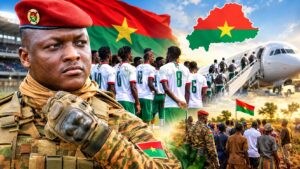
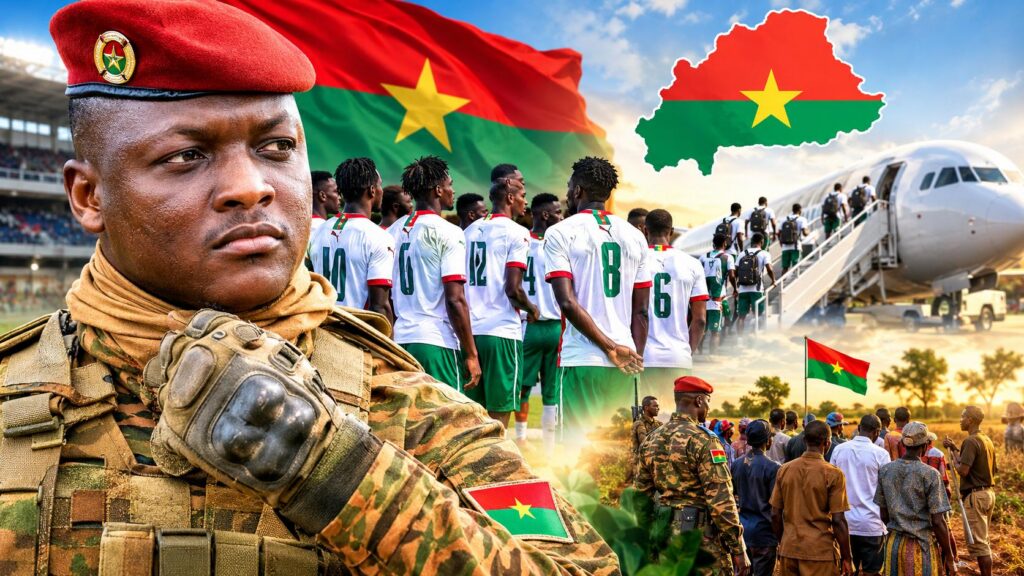
The absence of Burkina Faso’s national football team from an international fixture in Argentina has sent ripples through the nation’s sporting and economic landscape. Reports indicate that players were requisitioned for patriotic mobilization activities under the directive of Captain Ibrahim Traoré, raising critical questions about the government’s evolving priorities and their impact on public institutions.
The Requisition Decision and Its Immediate Ramifications
The reported requisition of the entire squad for national service has starkly exposed the tension between patriotic duty and professional athletics. While the government frames such measures as essential to national cohesion amid security challenges, critics argue that the encroachment on sports particularly football, a cornerstone of Burkinabè identity could have lasting consequences.
For local businesses, especially those in the hospitality and entertainment sectors, the absence of key players may translate into lost revenue. Football clubs, already grappling with financial constraints, could face further setbacks if this practice becomes recurrent, discouraging sponsorships and investor confidence.
Who Bears the Burden of National Service?
The broader implications extend beyond the pitch. The mobilization of top athletes for non-sporting duties underscores a systemic shift where national priorities are redefined through a military-administrative lens. This raises concerns about:
The sustainability of professional sports in a climate of prolonged requisition;
The erosion of grassroots development programs that rely on elite athletes as role models;
The psychological toll on players, who may now view their careers as secondary to state demands.
A Leadership in Transition: Where Does Sport Fit In?
Captain Ibrahim Traoré’s tenure has been characterized by a militarized approach to governance, with calls for national unity frequently superseding traditional civic roles. While the government asserts that such measures are temporary necessities, the precedent set by the football team’s absence could normalize the subordination of civilian sectors to patriotic imperatives.
The question remains: can a nation afford to systematically redirect its top performers whether athletes, academics, or artists toward state-initiated campaigns without eroding public morale or economic stability?
Seeking Clarity in an Era of Uncertainty
At present, the official narrative from Burkina Faso’s football federation and sports ministry remains forthcoming. Until verified statements are issued, the public is left to weigh the credibility of these reports against the broader context of the country’s evolving governance model.
What is undeniable, however, is the strain on Burkina Faso’s international standing. The international football community may reassess the country’s commitment to sports diplomacy, potentially affecting future invitations to tournaments and collaborations with global entities.
Conclusion: A Turning Point for Burkina Faso’s Identity
The requisition of the national team is more than a sports controversy it is a reflection of a nation at a crossroads. As Burkina Faso navigates its security challenges and redefines its social contract, the fate of its football team may serve as a bellwether for the balance between patriotism and institutional autonomy.
Without clear boundaries, the line between civic duty and professional commitment risks becoming permanently blurred, with consequences that extend far beyond the football field.