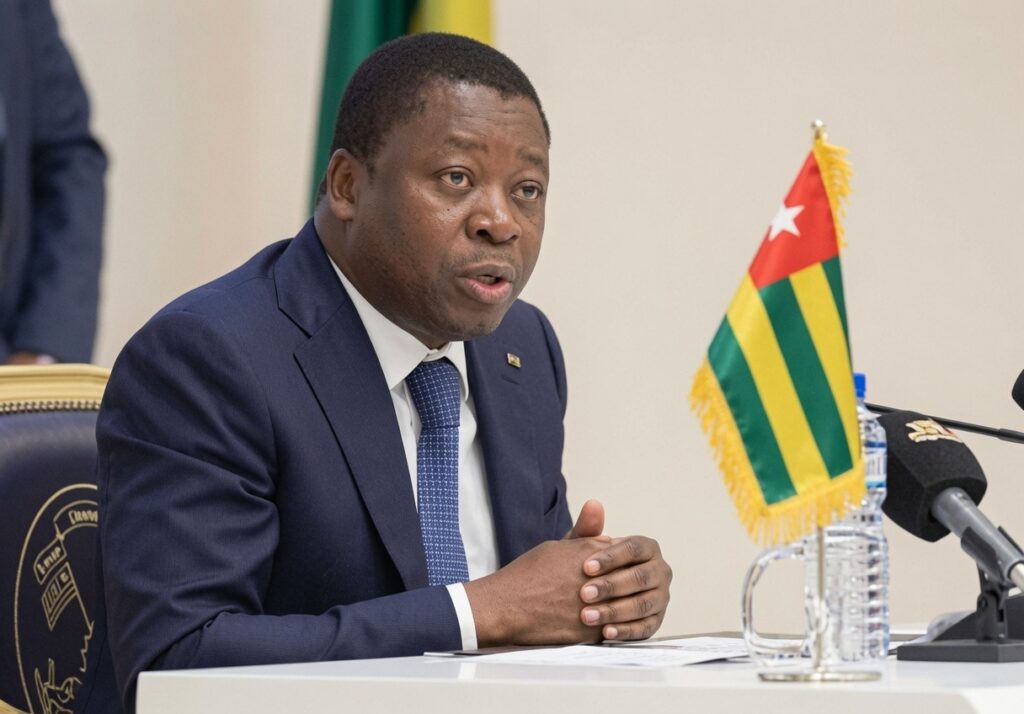
From October 9 to 16, 2026, Togo’s top leader embarks on a high-stakes mission to Beijing. While the diplomatic fanfare is expected, one critical question looms over the visit: will this trip translate into tangible benefits for ordinary Togolese, or remain another round of empty promises?
Diplomacy in motion: promises and expectations
The presidential delegation’s arrival in China marks another chapter in a long-standing partnership between Lomé and Beijing. Over the past five decades, cooperation has expanded from trade and infrastructure to strategic investments in energy, agriculture, and technology. But beyond the handshakes and photo opportunities, Togolese citizens are asking the same question: when will these agreements stop being words on paper and start changing lives?
Diplomacy may open doors, but it doesn’t automatically build roads, power homes, or create jobs. The real test of this visit won’t be the number of meetings held or the volume of signed documents—it will be the details of what gets funded, who benefits, and when tangible results appear.
From paper to pavement: the economic stakes at hand
China isn’t just another partner; it’s one of Togo’s most influential allies. The two countries elevated their relationship to a comprehensive strategic partnership in 2024, and the upcoming talks will focus on how to deepen collaboration in key sectors:
- Infrastructure: Expanding and modernizing transport networks and logistics hubs, particularly around the Port of Lomé.
- Energy: Accelerating renewable energy projects to reduce power shortages and improve access.
- Agriculture: Strengthening food security through technology transfer and investment in agribusiness.
- Industrialization: Supporting local manufacturers and encouraging value-added production to cut imports.
- Technology transfer: Training programs and partnerships to build domestic expertise.
Yet history shows that even well-intentioned agreements can stall without clear execution plans. A memorandum of understanding signed today could take years to move from drawing board to completed project. For Togolese families struggling with unemployment and rising costs, quick wins are non-negotiable.
The political lens: leadership at a crossroads
Faure Gnassingbé’s visit comes at a defining moment in Togo’s modern political landscape. With the 2025 constitutional reforms establishing a new government structure under his leadership as president of the Council, this trip carries added significance—not just for diplomacy, but for governance.
After decades in power, the pressure is on to prove that international alliances yield domestic dividends. Citizens are no longer satisfied with symbolic gestures; they demand measurable improvements: more jobs, better wages, reliable utilities, and safer communities. This visit must do more than reinforce Togolese-Chinese relations—it must demonstrate that those relations serve the people they were meant to uplift.
What success looks like: beyond the headlines
For this Beijing mission to be judged a success, it must deliver more than headlines. It must answer three key questions:
- Which projects will begin soon? Clear timelines and funding sources for at least three major initiatives.
- Who benefits? Evidence that local businesses, workers, and farmers will have priority access to opportunities.
- How will progress be tracked? Transparent reporting mechanisms that allow citizens to monitor spending and outcomes.
Without these answers, the visit risks becoming just another chapter in a long book of unfulfilled promises. For Faure Gnassingbé, the challenge isn’t just to negotiate well—it’s to ensure that every promise made in Beijing translates into real change back in Lomé.
The final measure: not what was said, but what was done
As the delegation returns home, Togolese citizens will evaluate the trip not by the number of agreements signed, but by their impact on daily life. Did a new factory open? Were jobs created? Did the power grid get stronger? Did farmers gain access to better tools?
The answers to these questions will determine whether this visit marks the beginning of a brighter future—or just another missed opportunity in a long line of diplomatic ventures.