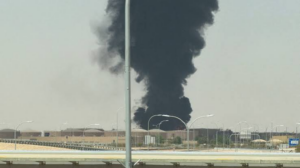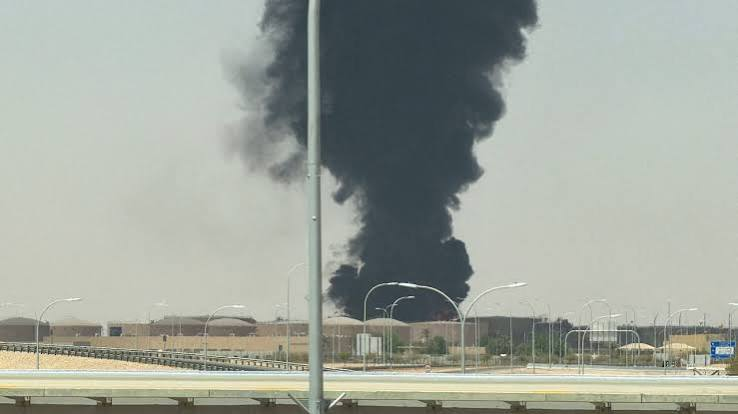
The King Khalid International Airport in Riyadh became the latest battleground in an escalating conflict after a Houthi missile strike claimed the lives of 13 civilians and left 308 others injured. The attack, which occurred on October 10, marked a dramatic shift in a long-simmering regional dispute, prompting immediate concerns about Saudi Arabia’s ability to protect its critical infrastructure.
How Houthi militants targeted Saudi Arabia’s most strategic airport
Less than 24 hours after the initial strike, a second projectile struck Terminal 4, igniting a fire that resulted in one fatality and 11 additional injuries. Houthi military spokesman Yahya Saree publicly claimed responsibility, asserting that the group’s forces had deployed a combination of ballistic missiles and drones to target Riyadh’s airport, Dammam’s air hub, and key Saudi oil facilities. The militants issued a stark warning to international airlines, urging them to avoid Saudi airspace entirely.
Why Saudi defenses failed to prevent the airport strike
Despite Saudi authorities reporting that their air defense systems intercepted some incoming projectiles, the attack demonstrated vulnerabilities in the kingdom’s protective measures. A missile breached security protocols, landing directly in a passenger terminal and causing significant damage. The airport’s temporary shutdown for damage assessment and enhanced security checks led to widespread flight disruptions, leaving travelers stranded and businesses scrambling to adjust schedules.
Yemen’s civil war spills into Saudi territory
The Houthis, a rebel group controlling much of northern Yemen, justified their assault as retaliation against Saudi Arabia’s prolonged military intervention in the Yemeni conflict. Recent months have seen intensified fighting following a Saudi-backed offensive that pushed Houthi forces into a defensive stance. The militants argue that their strikes on Saudi soil are a direct response to aerial bombings and ground operations that have devastated Yemeni infrastructure and civilian lives.
Riyadh’s response: tough talk and tighter security
Saudi officials condemned the attack as a blatant act of aggression, framing it as an existential threat to national security. The coalition led by Riyadh vowed to bolster defenses around key installations, though the effectiveness of these measures remains uncertain. Meanwhile, diplomatic missions and travel advisories urged passengers to monitor flight status updates closely and to delay non-essential travel until further notice.
What travelers need to know amid escalating regional tensions
The attacks have exposed the fragility of Saudi Arabia’s airspace security, raising questions about the long-term implications for aviation safety and economic stability. While the immediate focus remains on emergency response and damage control, the incident underscores the broader risks of a conflict that shows no signs of de-escalating. As airlines reroute flights and travelers adjust plans, one question persists: How far will the Houthis go to press their advantage?
Looking ahead: can a lasting peace prevent the next strike?
With both sides dug into entrenched positions, the possibility of further escalation looms large. International observers warn that continued military confrontation could destabilize an already volatile region, while calls for dialogue and negotiation grow louder. For Saudi Arabia, the challenge is twofold: reinforcing its defenses without provoking further aggression and finding a diplomatic path forward that prevents the next attack on its soil.