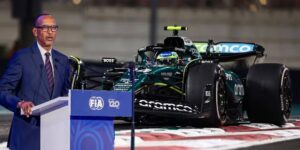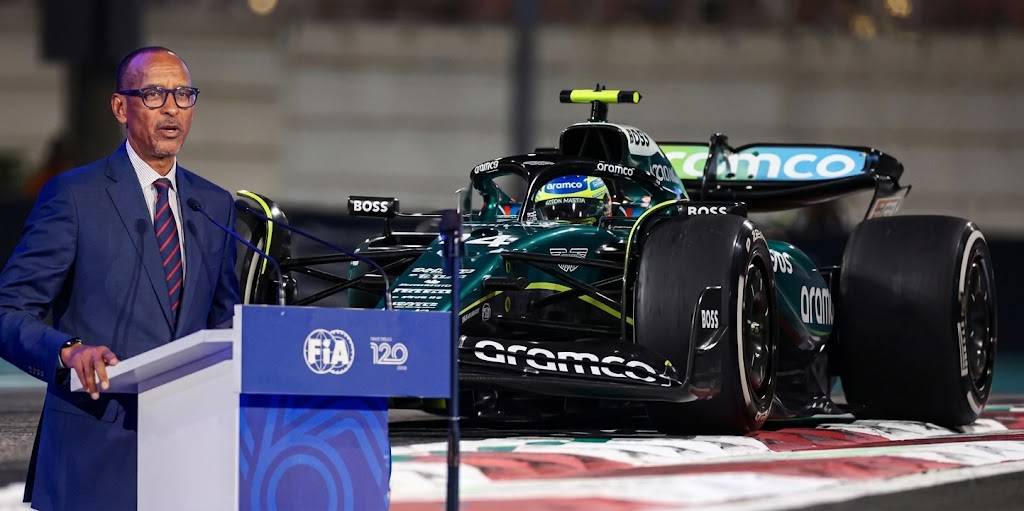
The African continent is poised to reclaim its place in the global motorsport spotlight as the Rwanda Grand Prix prepares to make its debut in the early 2030s. After a 30-year absence, Formula 1 will return to Africa, marking a pivotal moment in the sport’s history and the continent’s ambition to redefine its sporting narrative.
But beyond the thrill of high-speed racing, lies a strategic question: Can this decade-long investment in Bugesera transform Rwanda’s economy and Africa’s motorsport landscape? The stakes are high, with billions in infrastructure costs, a growing youth audience, and the potential to position Rwanda as a new hub for international sports and business.
From vision to reality: the roadmap to Rwanda’s first F1 race
The landmark agreement, signed in Kigali in October 2026, commits Formula 1 to a ten-year partnership with Rwanda, culminating in the inauguration of a purpose-built circuit in Bugesera. This region, located 40 kilometers south of the capital, is already a focal point of national development, thanks to the ongoing construction of a new international airport.
The circuit project is no mere sporting venue—it’s a symbol of Rwanda’s ambition to blend cutting-edge infrastructure with sustainable economic growth. Designed by Wurz Design, led by former racing driver Alex Wurz, and Tilke Engineers and Architects, the track will embrace the natural topography of Rwanda’s rolling hills and varied altitudes, delivering both technical challenge and visual spectacle.
While the exact launch date remains unconfirmed, the project timeline hinges on timely construction and infrastructure readiness. The delay in setting a firm date reflects a cautious approach: ensuring every component—from circuit specifications to transport logistics—aligns with Formula 1’s global standards and Rwanda’s long-term vision.
Why Bugesera? The strategic location behind Rwanda’s F1 push
The choice of Bugesera is far from arbitrary. The site’s proximity to Kigali’s under-construction international airport positions it as a logistical powerhouse, streamlining access for teams, sponsors, and over 100 million African F1 fans who will follow the sport more closely than ever.
But the vision extends beyond race day. The circuit is designed to be a year-round hub: a stage for automotive test events, concerts, global conferences, and regional business summits. By diversifying its usage, Rwanda aims to maximize economic returns and avoid the pitfalls of underutilized venues.
This strategy echoes the country’s broader success in hosting global events—including the 2025 UCI Road World Championships and major football and basketball competitions. Each event has reinforced Rwanda’s brand, “Visit Rwanda,” as a destination for excellence and innovation.
Economic ripple effects: will the F1 investment pay off for Rwandans?
The government of Rwanda isn’t just betting on sport—it’s wagering on transformation. The return of Formula 1 is expected to deliver a triple boost: tourism, job creation, and skills development.
Hotels, restaurants, transport, security, and event services are on the front lines of this economic awakening. For a young population eager for opportunity, the Grand Prix could open doors to careers in hospitality, engineering, media, and entrepreneurship. Training programs in automotive technology and event management are already being discussed to ensure local communities benefit.
Yet, challenges remain. Infrastructure costs, long-term maintenance, and ensuring inclusive growth are critical. Will the benefits reach beyond Kigali and Bugesera? Can Rwanda turn global visibility into lasting prosperity for its citizens?
What’s next: from agreement to action
The Formula 1-Rwanda partnership is more than a contract—it’s a catalyst for change. Over the next seven years, the world will watch as Bugesera evolves from a concept to a world-class racing destination. The success of this project will depend not only on engineering precision and financial prudence but on Rwanda’s ability to harness the energy of this moment and write a new chapter in African sporting history.
The question is not just whether Formula 1 can return to Africa—it’s whether Africa, and Rwanda in particular, can turn this moment into a legacy that outlasts the checkered flag.