In a move aimed at capturing a more accurate demographic picture, Cameroon has extended the census period for the second consecutive time. The decision, outlined in a decree from Prime Minister Joseph Dion Ngute, introduces an additional phase of household, population, and agricultural enumeration to ensure broader coverage.
Reasons behind the extension
Despite the nationwide rollout launched in April, only 60.4% of the population has been recorded so far. Officials cite several hurdles contributing to the slow progress, including delayed payments to field agents that sparked disruptions, low participation among certain households, and language barriers in multilingual regions. Security concerns in high-risk areas have also posed significant obstacles to the operation.
Urban gaps in data collection
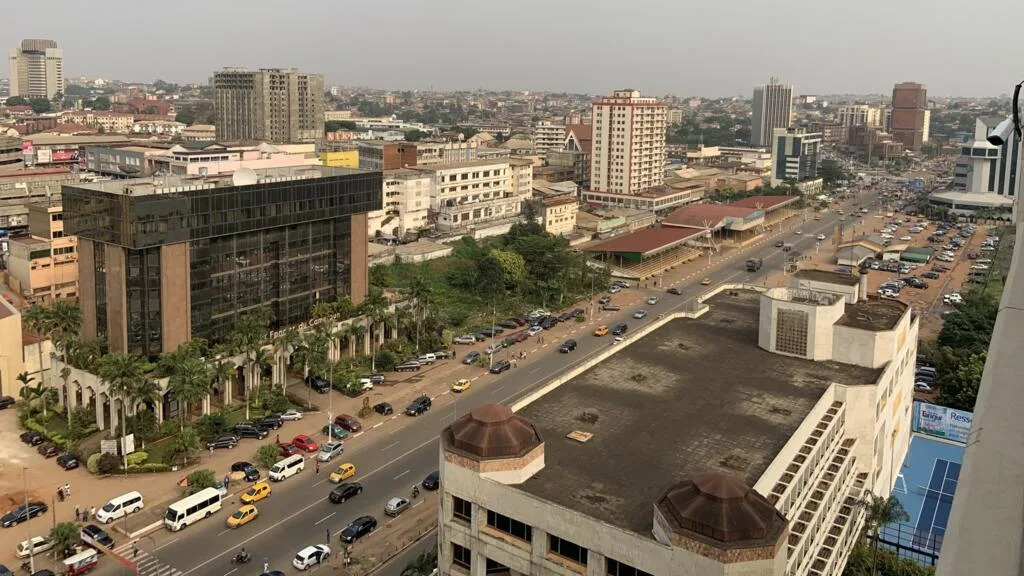
Residents in major cities like Yaoundé and Douala have reported gaps in coverage, with newly developed neighborhoods often missing from the initial mapping. This has raised questions about the completeness of the data being collected, prompting authorities to expand the scope of the census.
What’s next for Cameroon’s census?
The extended phase aims to address these shortcomings by targeting undersampled regions and ensuring all segments of the population are accounted for. The government has emphasized the importance of this fourth general census for population, housing, and agriculture data, which will inform national planning and resource allocation for years to come.