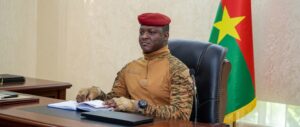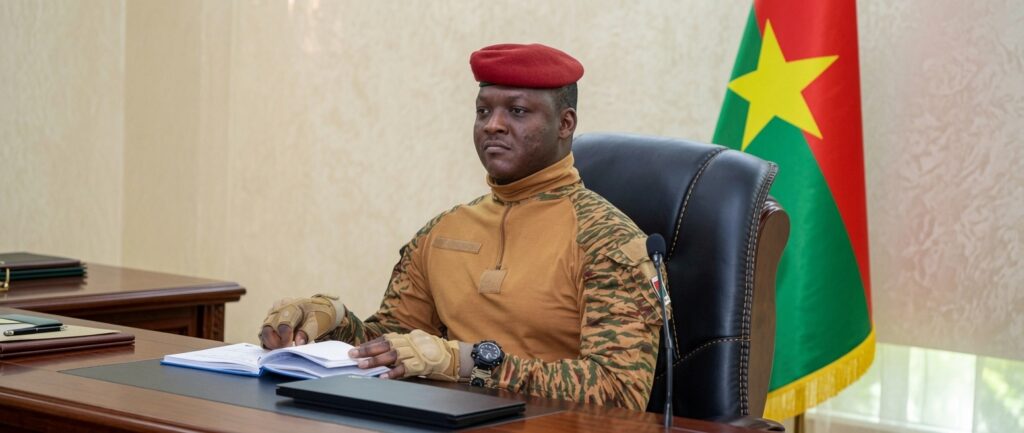
The military government of Captain Ibrahim Traoré has taken a decisive step toward consolidating power in Ouagadougou by reinstating the death penalty in the national penal code. While framed as a measure of national firmness under the slogan “sentimentalism is over,” the move is widely perceived as a political tool designed to eliminate rivals, with the former transitional leader, Lieutenant-Colonel Paul-Henri Sandaogo Damiba, as its primary target.
From abolition to weapon: how the death penalty became a political instrument
The death penalty was officially abolished in Burkina Faso in 2018, but its restoration signals a dramatic shift in the government’s approach to dissent and political opposition. The new law, passed unanimously by the transitional legislative assembly, eliminates the possibility of clemency or leniency, effectively removing any legal safeguards for defendants facing capital charges.
This legal overhaul comes as Paul-Henri Damiba faces prosecution for high treason and conspiracy against state security. Legal experts and political observers suggest the timing of the reform is not coincidental: by reviving the death penalty, the Traoré administration is laying the groundwork to seek the ultimate punishment in Damiba’s impending trial.
The message is clear—opposition figures and dissenting military factions are being warned that defiance will come at a deadly cost. By making an example of Damiba, the regime aims to instill fear across the country’s political and military landscapes.
The irony of history: when victims become the accused
The current administration’s relentless pursuit of Paul-Henri Damiba underscores a bitter irony in Burkina Faso’s recurring coup d’état cycle. Damiba himself once justified the overthrow of a democratically elected president in January 2022 as a “patriotic awakening,” yet today, he stands accused of the very same crime—high treason—for which he once condemned others.
This paradox highlights a dangerous pattern in the nation’s political crisis:
- Same playbook, different victims: The methods used to remove President Roch Marc Christian Kaboré in 2022—force and constitutional suspension—mirror those employed by Ibrahim Traoré when he ousted Damiba just eight months later.
- From hero to enemy: What was once celebrated as a liberation is now condemned as treason, revealing how quickly political fortunes can reverse in Burkina Faso’s volatile landscape.
The spiraling cost of political vengeance
By rejecting clemency and embracing the death penalty as a tool for political retribution, Ibrahim Traoré’s government risks deepening the cycle of violence and instability that has plagued Burkina Faso for years. The decision to weaponize justice at the highest levels of the military sends a chilling message: no faction is safe from the same fate they once imposed on others.
In a nation grappling with insurgency, economic strain, and fractured institutions, the reinstatement of capital punishment could further erode public trust and fuel further unrest. History has shown that in military-led transitions, today’s executioner is often tomorrow’s defendant. The regime may find that its harsh measures only prepare the ground for future backlash.
What lies ahead for Burkina Faso’s fragile stability?
The return of the death penalty in Burkina Faso is more than a legal policy shift—it is a high-stakes gamble that could reshape the nation’s political future. As Paul-Henri Damiba’s trial looms, the world watches to see whether justice will finally bring closure or whether it will instead deepen the divisions tearing the country apart.
The consequences of this decision will ripple through every layer of Burkinabe society—from the military barracks to the streets of Ouagadougou—leaving an indelible mark on a nation already weary from years of turmoil.