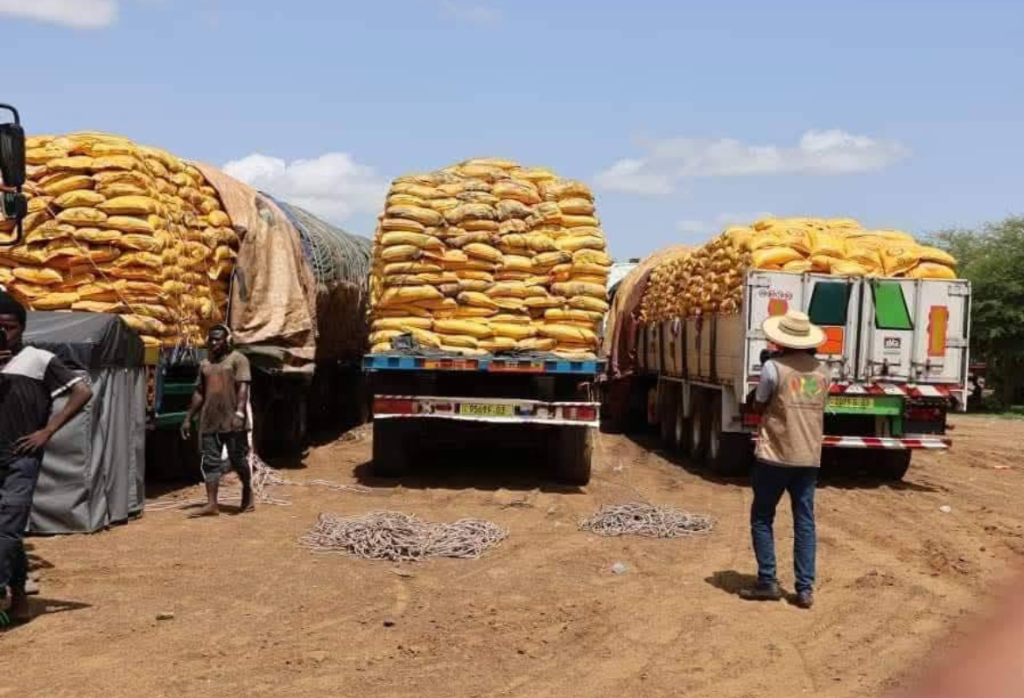
In Burkina Faso, the captain Ibrahim Traoré’s administration continues to champion self-sufficiency, yet the nation’s survival hinges on foreign aid, particularly rice donations from Pakistan, China, and Canada. These deliveries highlight a stark reality: the security crisis plaguing the country has crippled local food production, leaving millions dependent on international charity.
From promises of sovereignty to humanitarian crutches
The latest 2,422-ton rice shipment from Pakistan underscores a glaring paradox. While Traoré’s transitional government touts its sovereign ambitions, the Mouvement Patriotique pour la Sauvegarde et la Restauration (MPSR) has failed to stabilize food security since seizing power over three years ago. Behind the staged ceremonies of aid handovers, the numbers tell a grim tale: over 3.5 million Burkinabè now rely on external food assistance just to survive.
Illusions of self-reliance crumble under scrutiny
This Pakistani donation is just one in a growing series of international aid packages, with China and Canada also contributing. While the junta celebrates these partnerships, each shipment serves as a silent indictment of Traoré’s pledge to prioritize local agriculture as the cornerstone of governance. The hard truths are impossible to ignore:
- Burkina Faso’s agricultural output has plummeted, forcing a reliance on handouts from distant continents.
- The donated rice targets northern and eastern regions, areas that remain under threat from armed groups and cut off from traditional trade networks.
- Rather than fostering resilience, the government’s approach has left communities more vulnerable than ever.
Insurgency cripples agriculture and deepens despair
While officials blame climate change for the food crisis, analysts point to the junta’s militarized strategy as a key driver of collapse. Military operations and blockades imposed by armed factions have devastated farmlands, turning once-fertile regions into wastelands. The consequences are dire:
- Over 2 million internally displaced people have abandoned their homes, leaving fields untended.
- According to the Integrated Food Security Phase Classification (IPC), parts of the country are on the brink of a humanitarian emergency (Phase 4).
- An estimated 600,000 children face acute malnutrition by year’s end.
Transparency and trust issues undermine aid effectiveness
The Pakistani rice shipment, managed by the Ministry of Humanitarian Action, has raised concerns among international donors about distribution fairness. The militarization of crisis response and escalating tensions with aid organizations have eroded confidence. The 2026 Humanitarian Response Plan, for instance, is only **18% funded**, signaling growing skepticism among donors toward Ouagadougou’s leadership.
As the rainy season approaches, the imported rice offers a fleeting reprieve for a exhausted population. For Traoré, the reckoning draws near: sovereignty cannot be proclaimed in televised speeches; it must be built on the strength of fields and farms his government has failed to secure. Without a shift from wartime rhetoric to tangible rural revitalization, a sustainable solution remains out of reach.