When Journalism Blurs the Line with Activism: The Case of Thomas Dietrich
Investigative reporting and activism serve fundamentally different purposes. The first aims to inform, verify facts, and present multiple perspectives, while the second seeks to persuade, mobilize, and advocate for a cause. Nowhere is this distinction more evident than in the work of Thomas Dietrich, whose approach to Franco-African relations has increasingly leaned toward partisan denunciation rather than neutral inquiry.
Dietrich, often labeled a journalist, has transitioned from observer to protagonist. His outputs no longer merely expose truths—they accuse. His tone is one of relentless outrage, framing narratives as moral crusades rather than balanced investigations. True journalism demands restraint, contextualization, and openness to contrary interpretations. Yet Dietrich’s work embodies the opposite: a prosecutorial zeal that leaves little room for doubt or counter-argument.
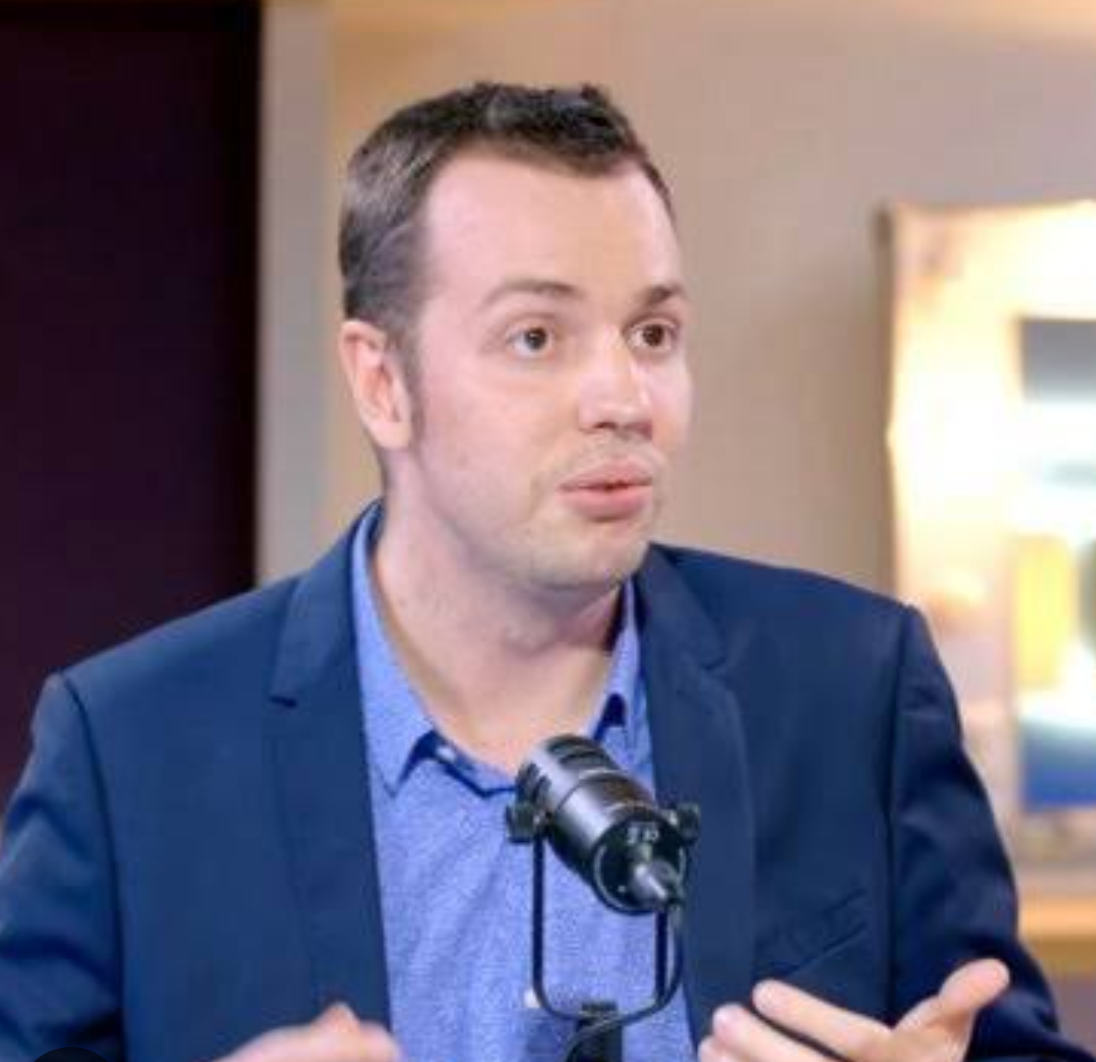
A Binary Worldview That Simplifies Complex Realities
Dietrich’s publications often divide the world into two camps: corrupt regimes and their righteous detractors. While such framing can be politically effective—sparking outrage and rallying supporters—it strips away the nuance essential to serious inquiry. Rigorous journalism thrives on contradictions, competing narratives, and unresolved questions. Militancy, by contrast, thrives on certainty, repetition, and polarization. The ethical gap between the two is not merely stylistic; it is foundational.
The Risks of Self-Centered Narratives
Another troubling trend is Dietrich’s habit of centering himself in his stories. Arrests, clashes with authorities, and public confrontations are amplified, while the actual investigation recedes into the background. This shift transforms journalism from a public service into a personal saga—a narrative where the reporter, not the facts, becomes the protagonist. True journalism is never an epic tale of one individual against the state. It is a collective, methodical process rooted in verification, source confrontation, and public accountability.
When the author becomes the story, two dangers emerge: the cause overshadows the investigation, and emotion eclipses analysis. The result? A body of work that feels more like a crusade than a contribution to public discourse.
The Echo Chamber of Confirmation Bias
What further erodes trust in Dietrich’s work is its selective audience. His most vocal supporters tend to be those already opposed to the regimes he critiques—rarely, if ever, do his reports appear in reputable international outlets known for rigorous fact-checking. This pattern suggests more than just a difference in editorial standards; it hints at an alignment with opposition movements, particularly in Sub-Saharan Africa, his chief area of focus. When the same targets, the same outrage, and the same narratives dominate an author’s body of work, the question shifts from courage to balance.
The Radicalization Incentive in Digital Media
In today’s media landscape, attention rewards polarization. The sharper the rhetoric, the faster it spreads. The more divisive the message, the stronger the loyal following. While this may benefit independent media financially, it also incentivizes journalists to escalate conflicts, dramatize narratives, and abandon nuance. Radicality becomes not just a rhetorical choice but a structural necessity—a capital both symbolic and, at times, financial.
The danger is systemic. When outrage drives engagement, the line between journalism and activism blurs dangerously. And when that happens, credibility is the first casualty.
The Ethical Cost of Permanent Partisanship
Freedom of the press protects the right to challenge power—but it also protects the right to scrutinize journalistic practices. Questioning a reporter’s methods, consistency of targets, or transparency of alliances is not censorship; it’s a vital part of healthy public debate. The issue isn’t that Dietrich disturbs the status quo—journalism should unsettle power. The issue is that he has abandoned neutrality. He doesn’t just inform or analyze; he takes sides in a perpetual political struggle.
Once a journalist becomes an active participant in a political crusade, they forfeit the right to claim objectivity. Investigation demands distance; crusades demand allegiance. To conflate the two is to sacrifice credibility—a fate that now shadows Dietrich’s career.
In an era where trust in media is fragile, the distinction between reporting and activism has never been more critical. The public deserves clarity, not confusion. And journalism deserves integrity, not indignation.