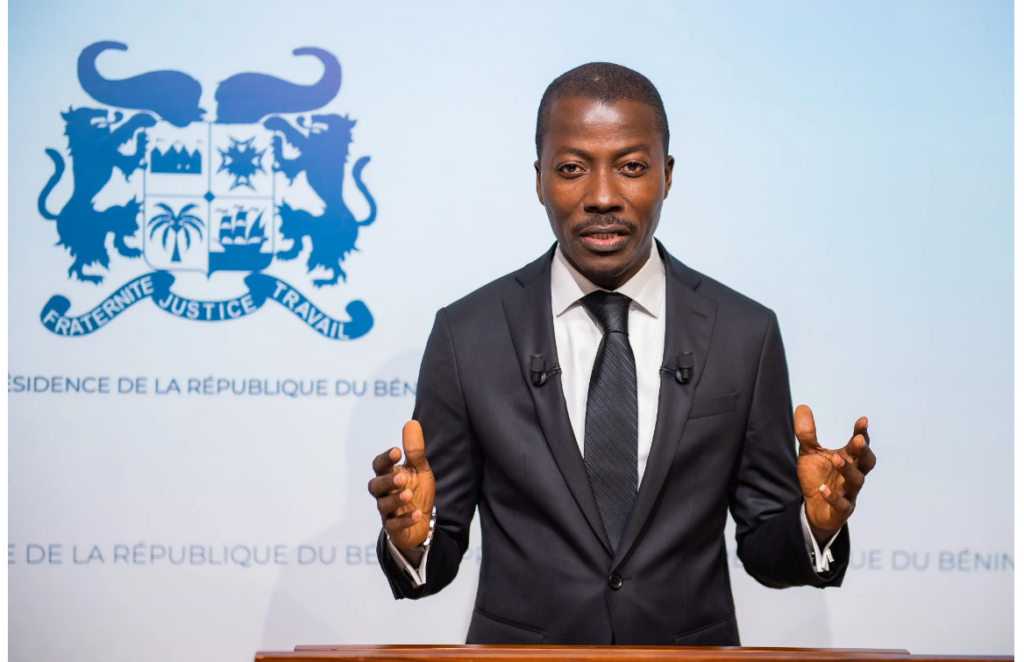
Following the arrest of Kemi Seba (also known as Robert Gilles Stellio Capo Chichi) in Pretoria, the Beninese government has broken its silence. During the cabinet meeting on April 22, 2026, spokesperson Wilfried Léandre Houngbédji conveyed a tone of calm resolve, stating with measured conviction: “The heavens themselves have settled our disputes.”
Benin outlines key allegations against the activist
The government has not merely issued a diplomatic response—it has outlined the core reasons behind its formal extradition request. Authorities cite multiple concerns regarding Seba’s alleged actions and rhetoric, which they argue undermine the nation’s republican institutions. Repeated calls for public unrest and civil disobedience have drawn particular scrutiny, raising concerns about threats to public order.
Additional allegations suggest Seba may have ties to external entities aiming to destabilize Benin’s national security framework. He is also accused of direct attacks on state authority, which authorities interpret as an attempt to erode national unity and cohesion.
Extradition efforts move forward
Benin is not backing down. Houngbédji confirmed that both judicial and diplomatic channels are now fully engaged to secure Seba’s extradition. “We await the outcome of international procedures so that the individual in question can face justice in Benin for his actions and statements,” the spokesperson emphasized.
For Porto-Novo, the goal is unequivocal: bring Seba back to national soil to answer for alleged crimes against national security and internal stability. The legal standoff between the activist and his home country has now entered a decisive phase, with far-reaching implications for both legal precedent and national cohesion.