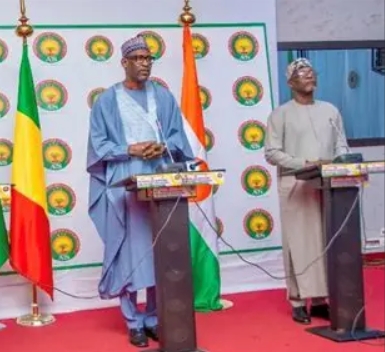
Recent statements from the foreign ministers of Niger and Mali have laid bare a glaring contradiction: while accusing neighboring West African nations within the Economic Community of West African States (ECOWAS) of supporting terrorism, both countries simultaneously express willingness to engage with them on select issues. This vacillating stance—oscillating between hostility and cooperation—underscores a harsh truth: severing ties with a regional bloc is far more complex than political rhetoric suggests.
the trap of inconsistency: choose your allegiances wisely
Niger and Mali have leveled serious allegations, claiming ECOWAS member states are complicit in fueling armed terrorist factions. Yet, in the same breath, they propose collaboration with these same nations. In international diplomacy, credibility hinges on consistency. How can a government credibly negotiate trade agreements with partners it publicly labels as accomplices in the deaths of its soldiers?
The repercussions are immediate: by adopting such a contradictory approach, Sahelian authorities risk undermining their own diplomatic legitimacy. Development cannot be negotiated with entities branded as national adversaries. A nation’s foreign policy must align with its actions, or it risks eroding trust among both regional allies and global partners.
geography’s unyielding grip: the illusion of isolation
The decision to withdraw from ECOWAS was framed as a bold assertion of sovereignty. However, geography remains an immutable force that defies political posturing. Landlocked nations like Niger and Mali rely entirely on their coastal neighbors for survival.
Consider the essentials: rice, sugar, pharmaceuticals, and building materials. Without access to ports such as Cotonou, Lomé, or Abidjan, these goods become inaccessible or prohibitively expensive. The ministers’ call for continued cooperation implicitly acknowledges a stark reality: the Alliance of Sahel States (AES) cannot function in isolation. Economic survival demands cooperation, even when political pride resists it.
the paradox of leaving a club yet keeping the benefits
Withdrawing from ECOWAS was a symbolic political move, aimed at appeasing domestic sentiment. Yet, the attempt to retain the bloc’s technical advantages while rejecting its rules is a contradiction in terms. Sovereignty does not mean severing ties entirely—it means redefining them on one’s own terms.
The dilemma is clear: how can a nation claim to reject an existing order while still expecting its benefits to flow uninterrupted? Trade, security, and legal protections cannot function in a vacuum. By rejecting ECOWAS’ framework, Niger and Mali risk destabilizing their own economic ecosystems, leaving businesses and investors navigating a legal gray zone.
from emotion to strategy: the urgent need for pragmatism
Anger may resonate in the short term, but it is a poor foundation for foreign policy. While fiery rhetoric might galvanize domestic audiences, it does not address hunger or insecurity—two crises gripping the Sahel. Terrorism, by its very nature, transcends borders. Defeating it requires seamless intelligence-sharing and military coordination across the region. Fueling tensions with neighbors only plays into the hands of extremists who thrive on division.
sovereignty’s true test: feeding, healing, and securing
Niger and Mali are discovering that true sovereignty is not merely about rejecting external influence; it is about a state’s capacity to feed its people, heal its sick, and protect its citizens. This demands more than defiant rhetoric—it requires pragmatic partnerships. Pretending otherwise prioritizes propaganda over the tangible needs of ordinary citizens. The harsh lesson? Good neighborliness is not a negotiable luxury; it is a necessity for survival.