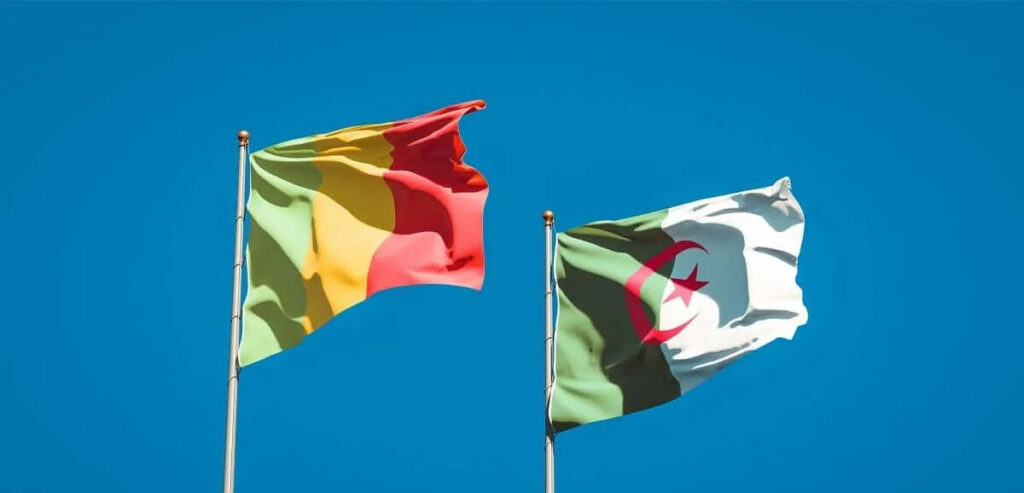
Algeria and Mali reopen skies and restore diplomatic relations
After fifteen months of strained relations, Algeria and Mali have taken a decisive step toward rapprochement. Both nations announced the simultaneous reopening of their airspaces to civilian and military flights, along with the reinstatement of their respective ambassadors. This landmark decision signals a potential turning point in their diplomatic ties.
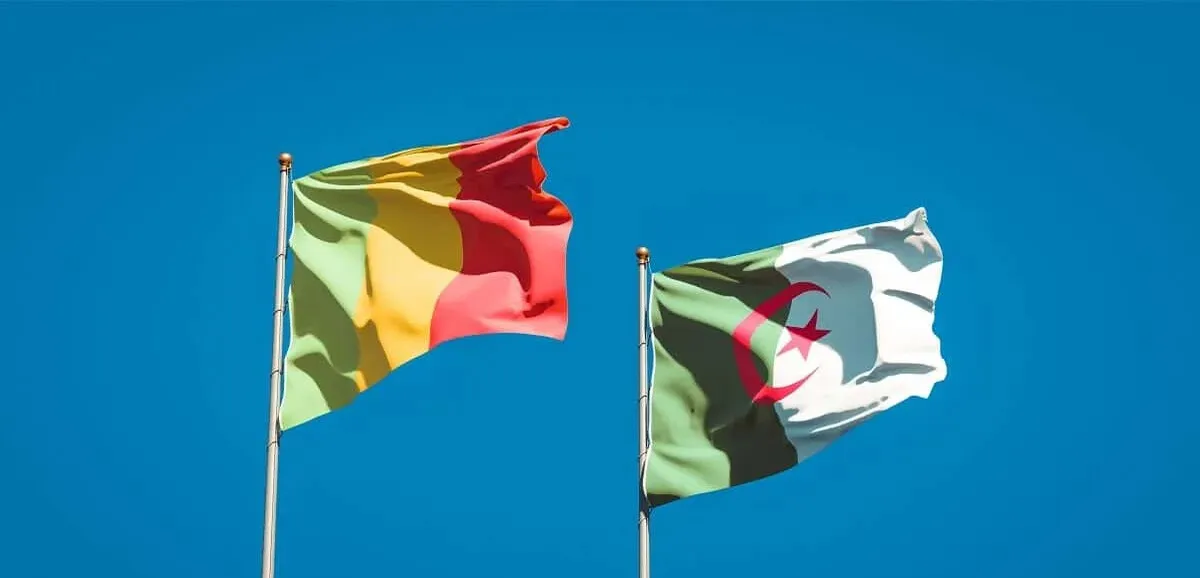
From crisis to cooperation: a year-long dispute ends
Alger and Bamako have jointly declared the resumption of bilateral air travel, ending a prolonged freeze that had disrupted both civil and military aviation for more than a year. Mali confirmed the return of its ambassador to Algeria, initially recalled in April 2025, while Algeria announced its envoy would return to Bamako. This move closes a chapter of diplomatic estrangement that had strained relations between the two neighboring Sahel nations.
The drone incident that ignited tensions
The current thaw follows months of heightened diplomatic friction sparked by a military drone incident near their shared border in April 2025. While Algiers claimed the unmanned aircraft violated Algerian airspace, Bamako maintained the drone operated within Mali’s sovereign territory. The disagreement triggered the recall of ambassadors, the closure of airspaces, and a cycle of mutual accusations involving Algeria and the Alliance of Sahel States (AES).
Shared challenges amid lingering differences
Beyond the drone dispute, Algeria and Mali have grappled with deeper geopolitical rifts since Mali’s junta came to power in 2020 and 2021. The Malian transitional government has repeatedly accused Algeria of interference, citing its central role in the 2015 peace agreement between Bamako and northern armed groups. Tensions escalated further after Mali endorsed Morocco’s autonomy plan for Western Sahara—a stance diametrically opposed to Algeria’s position. Despite these ongoing disagreements, both countries remain bound by a long-standing border and the shared imperative to combat the growing threat of jihadist insurgencies across the Sahel region.