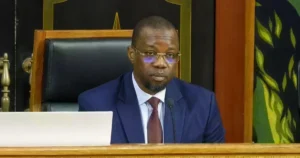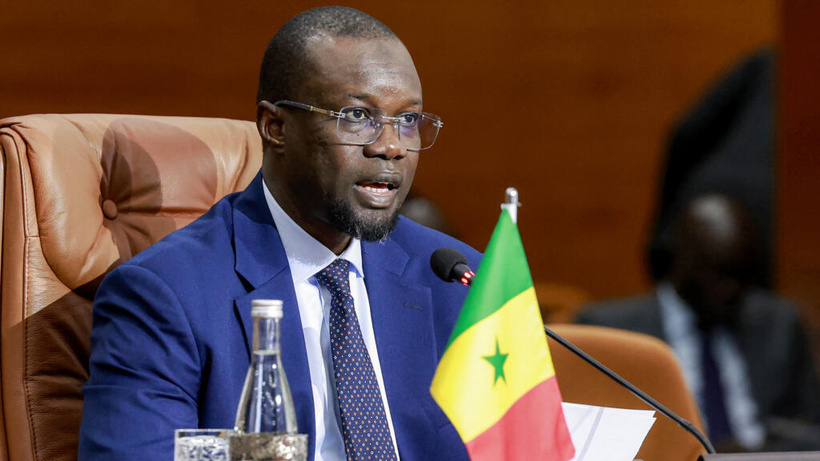
In a sharp rebuke delivered during a high-profile political gathering, Ousmane Sonko, President of Senegal’s National Assembly, launched another scathing attack on President Diomaye Faye, labeling him a “puppet leader” susceptible to manipulation by political figures, including those from the opposition.
Sonko’s remarks came during the inauguration of the new headquarters of the ruling party, Pastef, in Touba—a city located 194 kilometers east of Dakar. Speaking before party members and supporters, he painted a stark picture of what he described as a perilous presidency, warning of the dangers of a leader who “lacks backbone” and is easily swayed by outside influences.
a president too easily swayed, warns sonko
The National Assembly leader did not mince his words, declaring, “May God spare us from a timid president. This is a disaster. He is someone who can be easily manipulated. He lets himself be influenced by political opportunists. Even the opposition is playing him, convincing him that he controls the defense and security forces and that he can secure a second term.”
Sonko, who had previously backed Faye’s presidential bid in the 2024 election, now expresses deep regret over his support. “With hindsight,” he said, “I realize he was working behind the scenes to build his own party within the party.” He accused Faye of using his earlier roles—as Secretary General and coordinator of party cadres—to consolidate power, adding, “Once he became president, he believed he could do as he pleased and reclaim the majority of cadres after pushing me aside. Unfortunately for him, no one followed.”
from ally to critic: sonko’s evolving stance
The tension between Sonko and the head of state has been simmering for months. Once a key ally in Faye’s rise to power, Sonko now portrays himself as a disillusioned insider whose warnings about the president’s leadership style went unheeded. His latest public statements underscore a growing rift within Senegal’s political elite, raising questions about the stability of the ruling coalition and the future direction of the country.