The South Kivu province, a critical region in eastern Democratic Republic of the Congo, is experiencing heightened risks for social activists amid a surge in targeted threats. Human rights defenders, journalists, and local leaders report increased intimidation and abductions of those documenting atrocities or advocating for vulnerable communities. These developments coincide with ongoing armed clashes along the borders with Rwanda and Burundi, amplifying an already volatile environment.
Civil society under siege in South Kivu
Local civil society groups describe a precarious working climate, where safety is no longer guaranteed. Testimonies reveal a pattern of harassment, including anonymous calls, surveillance, nighttime home raids, and brief disappearances designed to silence dissent. Several activists have altered their routines or temporarily relocated from Bukavu and nearby areas to avoid danger.
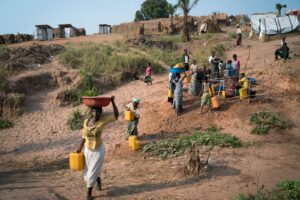
This deterioration occurs against a backdrop of multiple crises. Clashes involving Congolese Armed Forces (FARDC), local armed factions, and the M23 rebel group—allegedly supported by neighboring states—have displaced thousands. In territories like Kalehe, Uvira, and Fizi, community organizations play a vital role in monitoring, humanitarian aid, and advocacy. Their suppression directly undermines efforts to relay critical information to national and international bodies.
Abductions and coercion: a troubling pattern
Recent abductions follow a repetitive pattern. Activists are intercepted in broad daylight by armed individuals, sometimes in civilian clothing, often in unmarked vehicles. When released, they receive stark warnings: halt investigations, retract reports, or leave the region. Many cases go uninvestigated, reinforcing a climate of impunity.
The press is also feeling the strain. Community radio stations, long at the forefront of covering intercommunal tensions and human rights abuses, are scaling back coverage due to self-censorship. Local correspondents describe pressure from political figures, security officials, and armed group affiliates controlling certain territories. The line between targeted intimidation and systemic harassment is fading fast.
Experts note that the shrinking civic space in South Kivu reflects a broader regional trend. Since renewed conflict with the M23 in neighboring North Kivu, both provinces have seen tightened control by local authorities, military forces, and armed groups over critical voices. The prolonged imposition of martial law in parts of eastern Congo has further eroded freedom of expression and assembly, drawing criticism from rights groups.
A governance challenge for Kinshasa
The Congolese government faces a credibility test. While Kinshasa has pledged to protect human rights defenders—most recently with a 2023 law dedicated to their safeguarding—implementation in the east remains weak. Limited resources and fragmented state authority on the ground hinder effective enforcement. South Kivu’s activists now demand concrete action: independent probes into recent abductions, close protection for threatened leaders, and structured dialogue with provincial authorities.
International partners, including the departing United Nations Stabilization Mission in DRC (MONUSCO) and the European Union, are also under scrutiny. Their ability to sustain advocacy for civil society protection will influence the resilience of local organizations. Without a clear political response from Kinshasa, the risk of long-term erosion of civil society in eastern Congo grows. Rights groups are calling for urgent mobilization to reverse this trend.