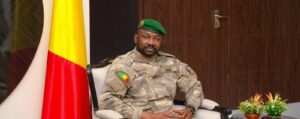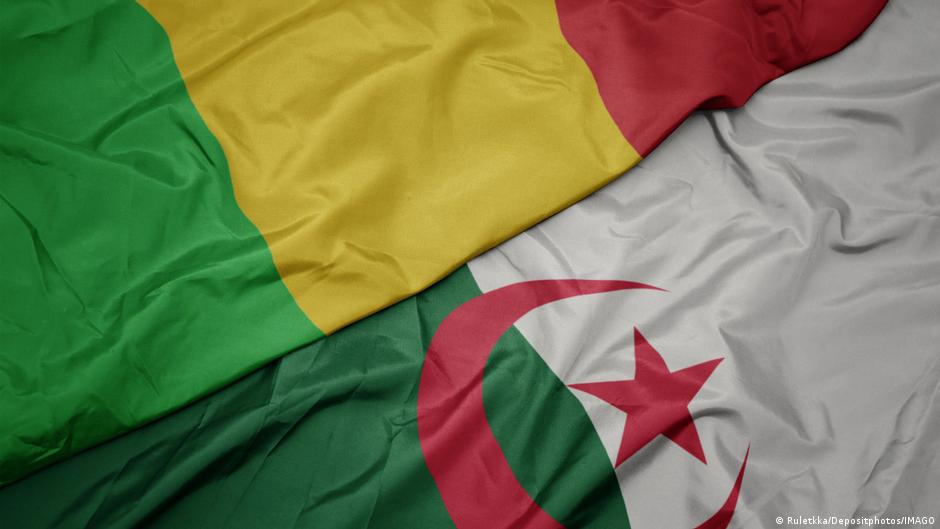
After months of strained relations, Bamako and Algiers appear to be laying the groundwork for a diplomatic thaw. Malian officials have signaled cautious optimism, highlighting the potential benefits of restored trust between the two nations.
From diplomatic rupture to cautious rapprochement
Tensions between Bamako and Algiers reached a peak in early April 2025, when a Malian drone was shot down near Tinzawatene, a border town straddling Mali and Algeria. Bamako lodged a complaint with the International Court of Justice, accusing Algiers of “interference and alleged ties with armed groups.“
This incident followed a decisive decision by Mali’s transitional authorities in January 2024 to abandon the 2015 Algiers Peace and Reconciliation Agreement. Bamako shifted its strategy toward a military approach to reclaim northern regions, particularly Kidal. Criticism of Algeria grew as Malian officials accused Algiers of hosting figures from the former Kidal rebellion and influential religious leader Mahmoud Dicko—a key figure in the 2020 ousting of former President Ibrahim Boubacar Keïta, who had fallen out with the current military leadership.
Yet behind the scenes, dialogue has quietly resumed. Moscow played a pivotal role in brokering this thaw, with Russian Foreign Minister Sergei Lavrov emphasizing the “importance of maintaining unity among allies to preserve stability in the Sahel.“
Deep-rooted ties and economic lifelines
Civil society voices in Mali are celebrating the prospect of restored relations. Boubacar Mahamane Maiga, a coordinator for Une Voix pour Tombouctou, a civil society group based in northern Mali, underscores the centuries-old bonds between the two nations.
“These are historic, fraternal ties. Algeria remains an economic lifeline for Tombouctou. In the past, the triangular trade that sustained our city passed through Algeria, with trans-Saharan caravan routes crossing its territory. Even today, spices like Tawabel and onions from Touat in Algeria—originating from the spiritual lineage of Cheick Abdoul Kassim Attouaty, one of Tombouctou’s 333 saints—are integral to our culture and economy.”
Security and regional stability
Political analyst Kaou Abdrahamane Diallo sees the warming relations as a step toward enhanced regional security. “Mali cannot afford porous borders or instability in its northern regions. We hope Algeria and all our partners will embrace this thaw, allowing us to restore the strong, harmonious ties of the past. Algeria has been a reliable ally, and we have reciprocated. Restoring this relationship is critical.”
As Bamako and Algiers work to mend fences, the potential for cooperation in security, trade, and cultural exchange offers a glimmer of hope for a more stable Sahel.