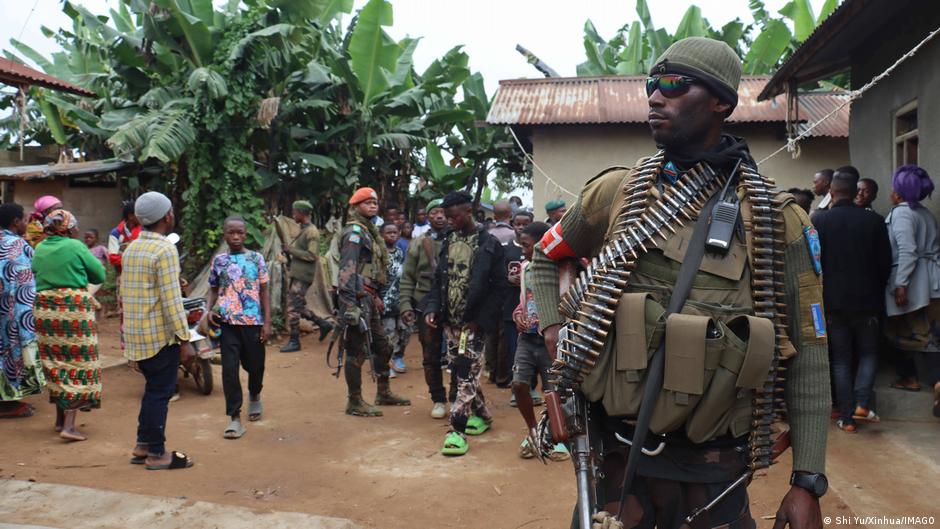
The Congolese army has implemented a strict new policy prohibiting soldiers from using smartphones in operational zones, citing security risks and compromised mission success. Defense officials argue that this practice has repeatedly endangered troops in eastern Democratic Republic of Congo (DRC), where armed groups and rebel factions have exploited digital communications to track and target military movements.
An anonymous sub-lieutenant stationed in the Uvira-Fizi operational zone of South Kivu shared his perspective on the ban: “I’ve always carried my phone on missions to stay connected with my family. When you’re in a war zone, every second counts—my loved ones need to know I’m alive, and I need to know they’re safe. No soldier would willingly disclose their position to the enemy, but now we’ll comply with the order. I only hope this doesn’t come with reckless retreat tactics that weaken our defenses.”
Security risks drive the ban
The interim spokesperson for the Armed Forces of the Democratic Republic of Congo (FARDC), Lieutenant Colonel Mak Hazukay, emphasized the dangers of unchecked smartphone use. He explained that even basic phone activity—like calls, messages, or location sharing—can reveal troop movements to hostile groups, making soldiers vulnerable to ambushes and artillery strikes. The military has urged troops to avoid unauthorized phone use entirely, warning against sharing real-time updates, mission details, or operational footage on social media or messaging platforms.
Kelvin Bwija, coordinator of the Congolese civil society group Socico in Uvira, sees the policy as a critical step in curbing internal betrayals within the army. “This is a welcome move,” he stated. “Some FARDC members had been using their phones to communicate with enemies of the DRC, revealing troop movements and even passing on operational instructions. As civil society, we fully support this decision.”
Balancing necessity and discipline
Human rights lawyer Maître Aimé Bisimwa acknowledged the indispensability of mobile phones in daily life but stressed that soldiers must prioritize mission security over personal communication. “This isn’t a violation of communication rights—it’s a military necessity,” he said. “Soldiers worldwide operate under strict protocols to avoid exposing their positions. Regardless of the challenges they face, their duty is to serve the nation, even at the ultimate cost.”
Meanwhile, heavy fighting continues in the highlands and plateaus of Mwenga and Fizi territories in South Kivu. The clashes pit the AFC/M23–Twirwaneho rebel coalition—backed by the Rwandan army, according to UN reports—against the FARDC-Wazalendo alliance, supported by Burundian forces.