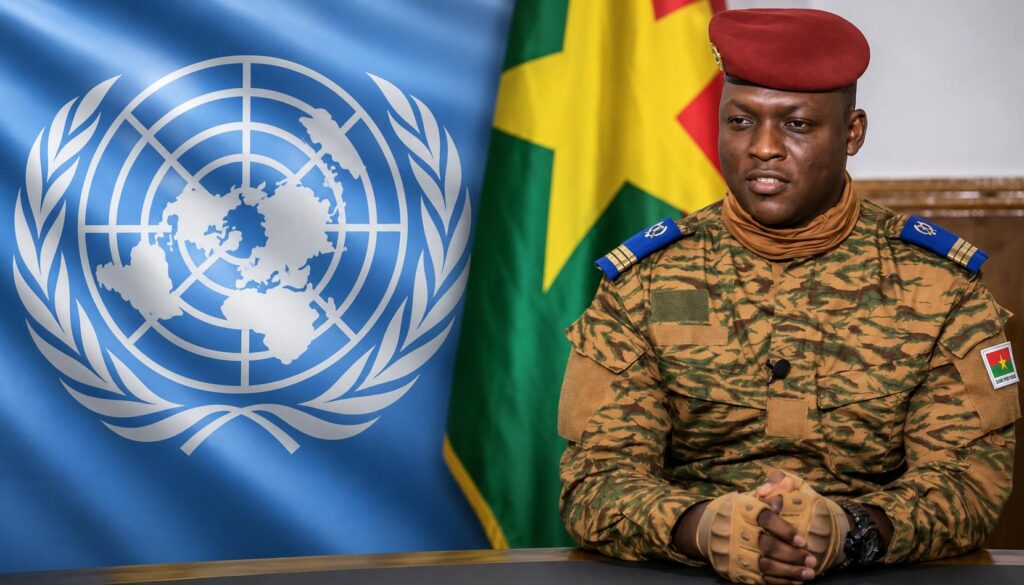
The unprecedented international isolation of Burkina Faso today can be traced back to one man: Captain Ibrahim Traoré, the leader of the country’s transitional government. By expelling the United Nations human rights office, he has taken another step toward a governance model built on systematic distrust and complete opacity.
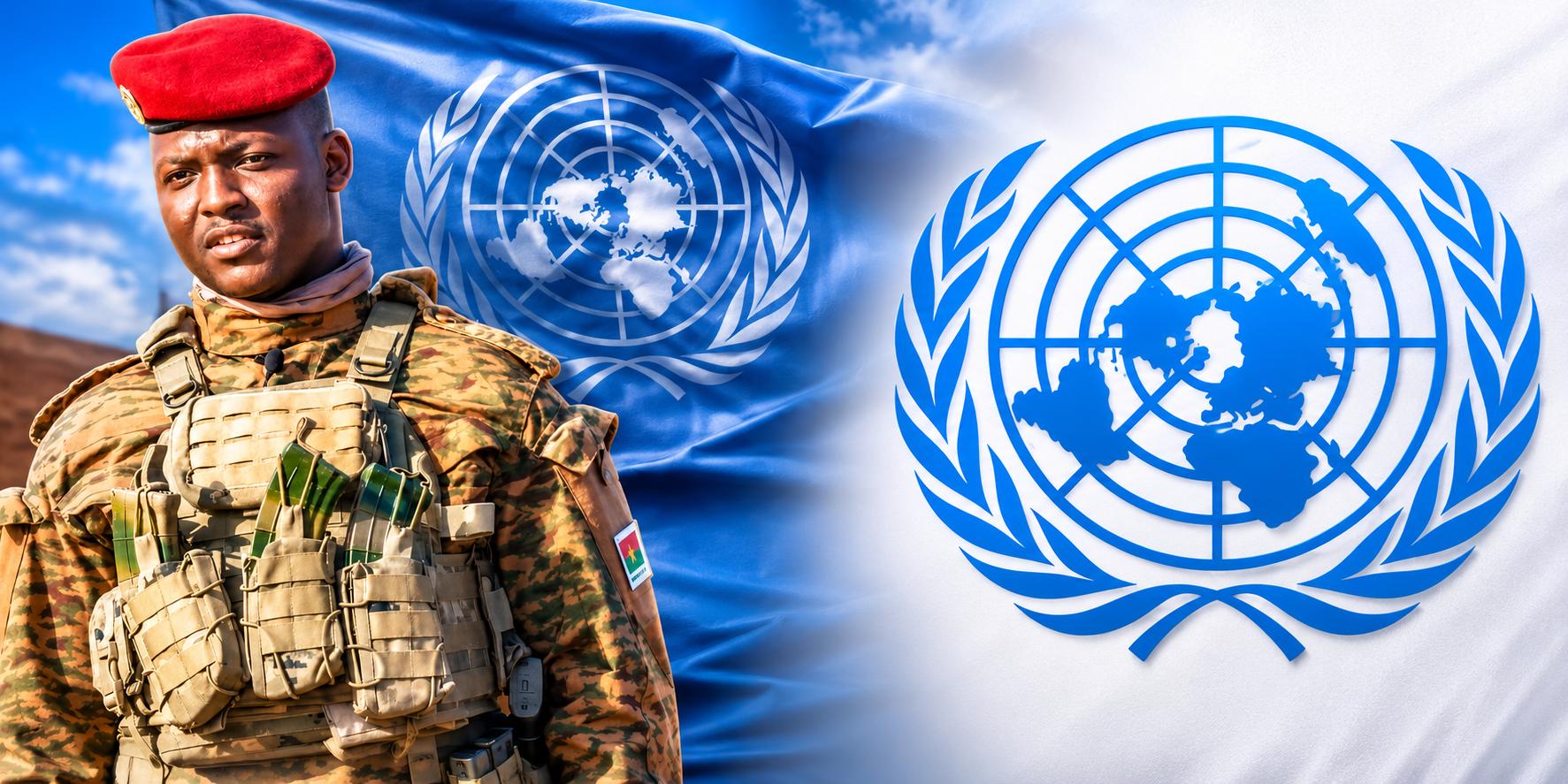
Since seizing power in a coup in September 2022, Captain Traoré has reshaped the Burkinabè people’s legitimate demand for sovereignty into a scorched-earth diplomatic strategy. His approach leaves no room for compromise.
Closing doors one by one
The decision to evict the UN is not an isolated incident—it is the culmination of a pattern. To cling to power and obscure mounting security failures, the head of state has systematically severed ties with Burkina Faso’s long-standing partners:
- He initiated the abrupt break with the Economic Community of West African States (ECOWAS).
- Under his direct orders, independent media—both domestic and foreign—face relentless censorship or suspension at the slightest sign of criticism.
- His administration first undermined the National Human Rights Commission (CNDH) before targeting the UN office.
By silencing each independent observer, Ibrahim Traoré seeks to monopolize the narrative of the conflict. Anyone documenting abuses, missteps, or strategic failures is swiftly labeled a “traitor” or an agent of foreign interference.
A reckless path that weakens the Burkinabè
This hyper-personalized and impulsive leadership has pushed Burkina Faso into an unsustainable position. By rejecting engagement with the United Nations and announcing withdrawal from the International Criminal Court (ICC), Ibrahim Traoré not only shirks accountability to the global community but, more critically, to his own citizens.
Denying the army and volunteer defense forces (VDP) access to UN expertise in international humanitarian law represents a grave strategic misstep. In doing so, the captain assumes political responsibility for creating a climate of impunity on the ground—a drift that risks alienating civilians and, ultimately, playing into the hands of terrorist factions.
In his quest to position himself as an unassailable bulwark against external influence, Ibrahim Traoré has trapped Burkina Faso in a political and humanitarian deadlock. Sovereignty cannot serve as a blank check to govern beyond scrutiny and legal accountability.