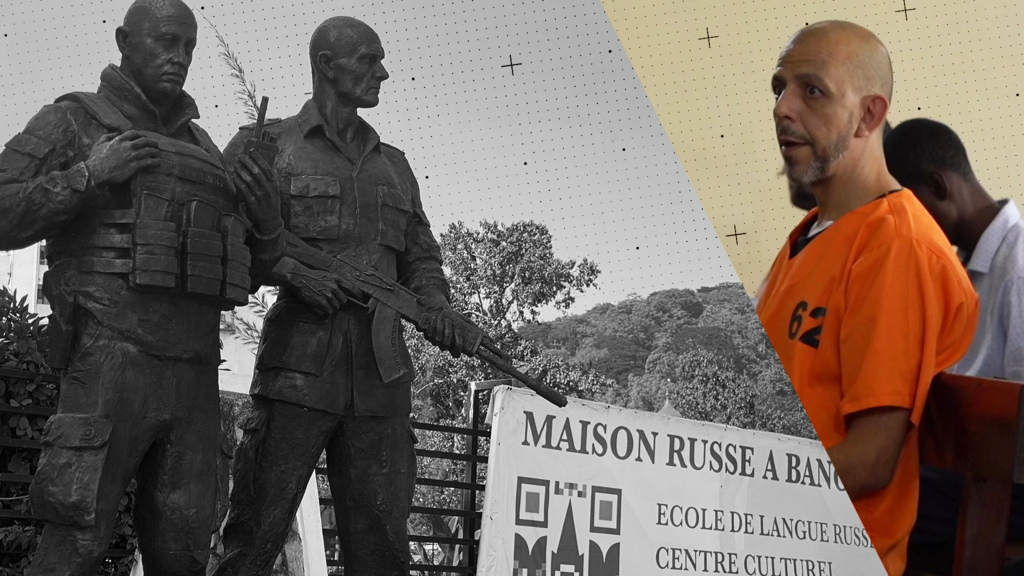
The night of May 26, 2024, descended over Zemio in the Central African Republic‘s Haut-Mbomou region, a hotspot of recurring communal violence. In a local bar-restaurant courtyard, a modest gathering unfolded as two visiting experts shared drinks with their hosts. Joseph Figueira, a Belgian-Portuguese researcher dispatched by the American NGO FHI 360 under a USAID project, and his Ivorian counterpart based in neighboring Democratic Republic of Congo, were wrapping up their two-day mission. The team was preparing for a conflict-prevention initiative involving local and international partners.
Around fifty attendees had gathered when three operatives from Wagner Group—acting as de facto state security forces since 2018—stormed the scene, accompanied by a Central African gendarme tasked with translation. Without explanation, they seized Figueira, cuffed him, and rushed him to the airfield. The researcher, a recognized specialist on Fulani communities, had proper documentation proving his nine-day stay in the country, including meetings with officials in both the capital and regional areas. Yet his captors ignored all protocols, forcing him onto a flight while assaulting him, leaving his face bloodied.
Figueira’s abduction followed a pattern of coercion targeting international aid workers in the region. His expertise in local dynamics made him a perceived threat to those seeking to destabilize peace efforts. The incident underscores the escalating risks faced by humanitarian actors operating in zones where shadowy security entities operate beyond legal constraints.