UN debate exposes how natural resources fuel armed conflicts
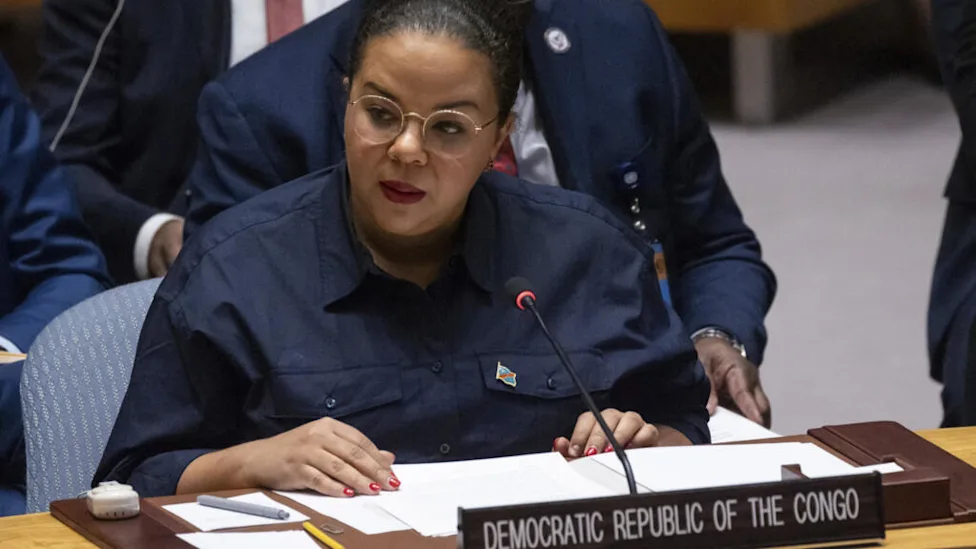
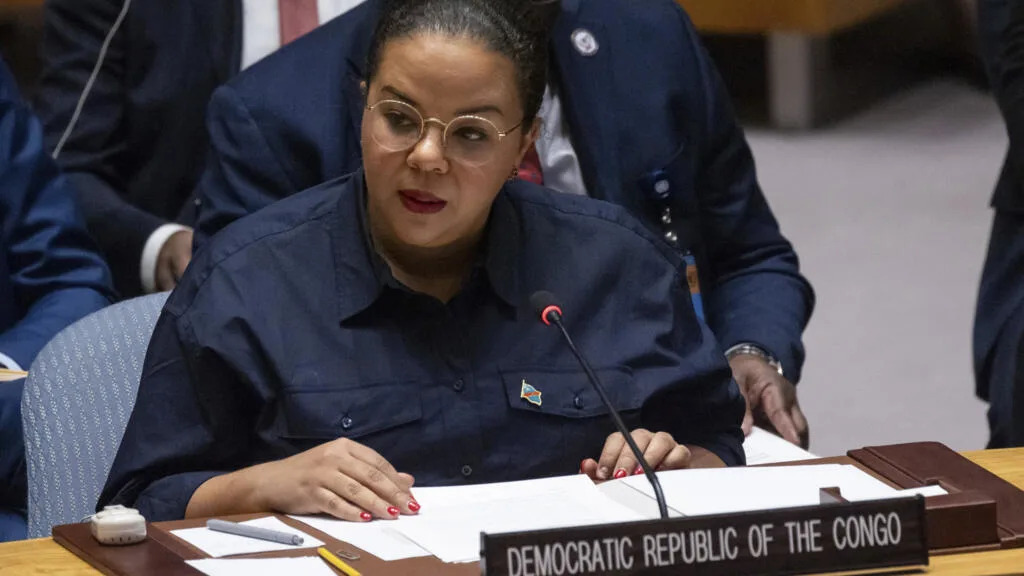
During a high-level session at the United Nations, Democratic Republic of the Congo’s Foreign Minister Thérèse Kayikwamba Wagner stressed the urgent need for stronger international mechanisms to track, regulate, and sanction the exploitation of natural resources linked to armed violence.
She emphasized that the goal is not to impose new global mining regulations or undermine national sovereignty over natural assets, but to strengthen existing frameworks that prevent conflict financing through resource trafficking.
France reiterated its stance, referencing UN Security Council Resolution 2773 on eastern Democratic Republic of the Congo, and pointed to reports indicating that the M23 armed group controls between 15% and 30% of global coltan production in Rubaya. The country called for stricter traceability and sanction mechanisms to disrupt funding channels that sustain insurgencies.
Clashing global visions
The United States focused its intervention on securing supply chains for critical minerals and accelerating investments in responsible mining practices to reduce reliance on conflict-affected sources.
China, in contrast, advocated for unconditional respect for national sovereignty and cautioned against politicizing discussions on resource governance, warning that such moves could destabilize fragile economies.
Russia went further, dismissing the idea that a lack of international rules drives conflict, and instead blamed political instability and external interference as the root causes of violence in resource-rich regions.
These divergent positions laid bare the sharp divides among major powers over how best to govern the global trade in natural resources and prevent their exploitation from fueling war and instability.