The World Health Organization (WHO) has raised the alarm over an unprecedented surge of Ebola in the Democratic Republic of the Congo (DRC), now classified as the third-largest outbreak in history, just two months after its official declaration. Speaking from Geneva, WHO Director-General Dr. Tedros Adhanom Ghebreyesus warned that the disease is spreading faster than in any previous outbreak recorded in the country.
As of today, the DRC has reported 2,073 cases and 796 deaths, with the province of Ituri facing the most severe transmission rates. Over 80% of new cases are emerging outside known contact lists, signaling undetected transmission chains. Shockingly, two-thirds of fatalities occur in communities where individuals never receive medical care.
WHO highlights critical gaps in response
Despite collaborative efforts with the Africa Centres for Disease Control and Prevention (Africa CDC) and other partners, Dr. Tedros emphasized that the epidemic’s acceleration outpaces the response. “The ongoing armed conflict severely hampers access to affected areas, delaying interventions and undermining containment efforts,” he stated. The situation was further exacerbated by the recent attack on an Ebola treatment center in Bunia, Ituri’s provincial capital, which disrupted vital care services.
WHO has reported progress in certain areas, including:
- Expanded treatment capacity to over 800 beds, with ongoing increases
- Laboratory network growth from one to 16 facilities
- Contact tracing reaching nearly 80%
- Training of over 21,000 community health workers
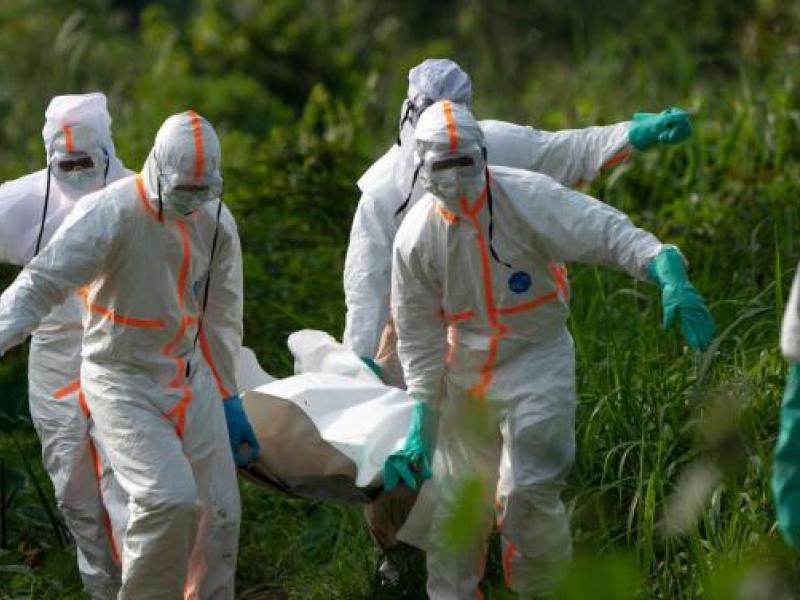
- Improved safe and dignified burial practices
Research advancements offer hope, as clinical trials for monoclonal antibody treatments (MBP134) and antiviral remdesivir are underway. Additionally, Oxford University has initiated the first safety trial for the ChAdOx1 vaccine, while the DRC’s National Institute for Biomedical Research launched a post-exposure prophylaxis trial using obeldesivir. To date, 377 recoveries have been recorded, demonstrating that early diagnosis and proper care can save lives.
Uganda’s progress contrasts with DRC’s challenges
While Uganda prepares to declare the end of its Ebola outbreak after the last confirmed patient was discharged, the DRC continues to grapple with escalating transmission. Dr. Tedros stressed the urgent need for political intervention to break the cycle of violence and facilitate access to at-risk zones. “Technical challenges persist, but without urgent political action, containing this outbreak will remain an uphill battle,” he warned.
Immediate priorities include strengthening surveillance in Ituri, ensuring safe burials, improving clinical care, and mobilizing communities. Efforts must also expand to newly affected provinces before the virus takes root.
The outbreak, caused by the Bundibugyo strain, was declared a Public Health Emergency of International Concern (PHEIC) by WHO on May 17, just two days after the DRC’s official announcement. The epidemic’s rapid geographic expansion and underreporting risks are compounded by population mobility, weak health systems, and conflict-related access barriers. With no licensed vaccine or treatment for this strain, the situation remains dire.
Despite the alarming outlook, DRC authorities remain committed to collaboration with national and international partners to curb the spread. The country’s experience with 16 previous Ebola outbreaks—all successfully contained—serves as a testament to its resilience in the face of such crises.