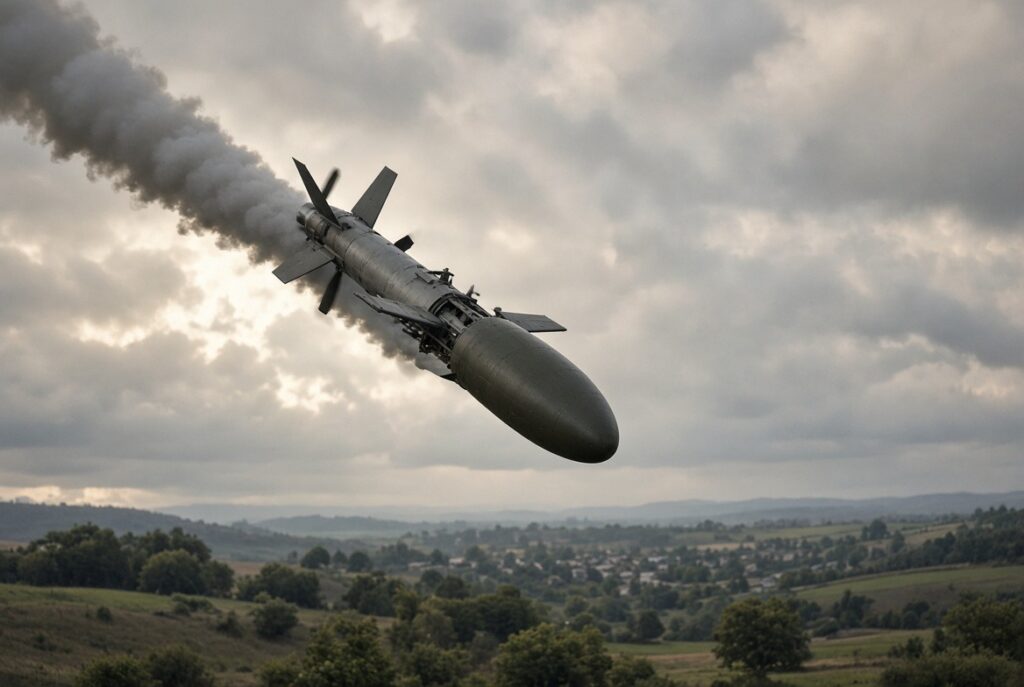
The civil war tearing through Sudan has reached a new level of brutality, with drone strikes becoming a daily nightmare for civilians. According to a United Nations report, these aerial attacks have claimed the lives of more than 1,630 civilians between January and October 2026 alone. This staggering toll accounts for nearly 75% of all civilian deaths documented in the country during this period.
From homes to hospitals: the deliberate targeting of essential infrastructure
The UN’s findings expose a calculated campaign of terror, where drones are not only used for direct strikes but also to cripple the very systems that sustain life. Investigators have documented a surge in attacks on critical civilian infrastructure, including:
- Widely frequented markets, turning everyday shopping into a life-threatening activity
- Civilian vehicles and medical facilities, with hospitals and clinics repeatedly hit, disrupting emergency care
- Fuel depots, power stations, and water sources, cutting off electricity and clean water to millions, forcing hospitals to cancel essential treatments like dialysis
Kordofan and Darfur bear the brunt of aerial bombardment
While battles once raged primarily along traditional front lines, the use of drones has expanded the battlefield to urban and rural areas alike. The regions of Kordofan and Darfur now face the heaviest toll, with Kordofan alone accounting for more than two-thirds of the documented civilian deaths. These areas, far from active combat zones, have become hunting grounds for drones, turning schools, homes, and even water collection points into potential targets.
From political fracture to drone warfare: the descent into chaos
The roots of this devastating conflict trace back to the political upheaval following the 2019 revolution that ousted long-time dictator Omar al-Bashir. The power vacuum led to an uneasy alliance between the Sudanese Armed Forces (SAF) under General Abdel Fattah al-Burhan and the paramilitary Rapid Support Forces (RSF), led by General Mohamed Hamdan Dagalo, known as “Hemetti.”
However, this alliance fractured in October 2021 when the generals staged a coup to retain control, crushing democratic hopes. The simmering tensions erupted into full-scale war on April 15, 2023, after disputes over the integration of the RSF into the national army. What began as a power struggle quickly escalated into a campaign of ethnic cleansing in Darfur and the fall of key cities like El-Fasher by late 2025. As traditional warfare failed to deliver decisive victories, both factions turned to drone technology, supplied by external backers, to extend their reach and inflict maximum damage.
Ethnic cleansing and urban warfare set the stage for drone strikes
The use of drones emerged as a tactical response to the stalemate. With ground forces unable to secure decisive victories, aerial attacks became the weapon of choice to terrorize civilian populations, disrupt supply chains, and cripple the economy. Over 25 million Sudanese now face extreme food shortages and rely on international aid, as entire regions are reduced to rubble.
War crimes exposed: the international community’s deafening silence
Human rights advocates and UN agencies warn that the indiscriminate use of drones contravenes international humanitarian law. High Commissioner for Human Rights Volker Türk has condemned these tactics as war crimes, emphasizing the blatant disregard for civilian lives. Despite global condemnation, the flow of advanced weaponry to both sides continues unabated, prolonging the suffering and deepening the humanitarian catastrophe.
The international community’s failure to act has emboldened the warring factions, turning Sudan into a testing ground for modern warfare techniques that spare no one—regardless of age or status. The question remains: how many more civilians must perish before decisive action is taken to halt this unfolding tragedy?





