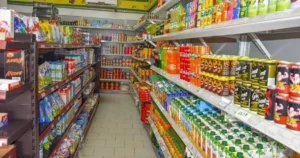
The daily survival budget for countless families in Chad stands at just 2,000 francs. For households of five or six, that breaks down to roughly 375 francs per person. What does this figure truly mean in a typical Chadian kitchen?
Empty plates and empty promises
As prices soar, protein-rich foods vanish first from family meals, followed by vegetables. What remains is whatever can be eaten to merely stay alive. Proper nutrition becomes a distant dream, and children grow up without the essential nutrients they need to thrive.
«The average Chadian household is suffering,» remarks sociologist Remadji Ngaba. «The shopping basket is nearly bare. Yet, despite these harsh realities, Chadians have developed a survival mindset. Without this psychological resilience, the situation would be unbearable.»
Who bears the heaviest burden?
The answer is clear: the woman. She is the foundation of the household, the one who shoulders the immediate consequences when prices rise. «When the wife returns from the market complaining about inflated costs, it’s not an exaggeration,» explains Ngaba. «The market has become a daily source of distress, and the authorities have failed to implement lasting price controls. Even temporary fixes do nothing but delay the inevitable—prices rebound, and the struggle continues.»
Fertile land, barren tables
Chad boasts about 33 million hectares of arable land across its 1.28 million square kilometers. Yet, hunger persists. The cost-of-living crisis hits urban centers hardest, where every necessity comes with a price tag. But rural communities are not spared. Farmers and herders face relentless challenges, from crop destruction by wandering livestock to a complete lack of justice. Many are forced to abandon the countryside, yet, as Ngaba points out, «not everyone can relocate to N’Djamena. The capital isn’t safe either.»
The simmering conflicts between farmers and herders cripple local food production, which could otherwise help stabilize urban market prices. «Both groups deserve protection,» he urges. «Their survival is tied to Chad’s economic stability.»
A stagnant minimum wage in a rising cost world
The minimum wage has remained frozen at 60,000 CFA francs since 2011, while prices have doubled. In N’Djamena, a modest room now costs between 20,000 and 25,000 francs. Rent, electricity, and basic utilities devour most of a worker’s salary.
A way forward?
Ngaba proposes concrete solutions: subsidizing agricultural projects, optimizing water resource management, and implementing strict, ongoing price monitoring across markets. «Leaders must do more,» he asserts. «They travel, they see how other nations manage to improve living conditions for their people. Chad can do the same.»