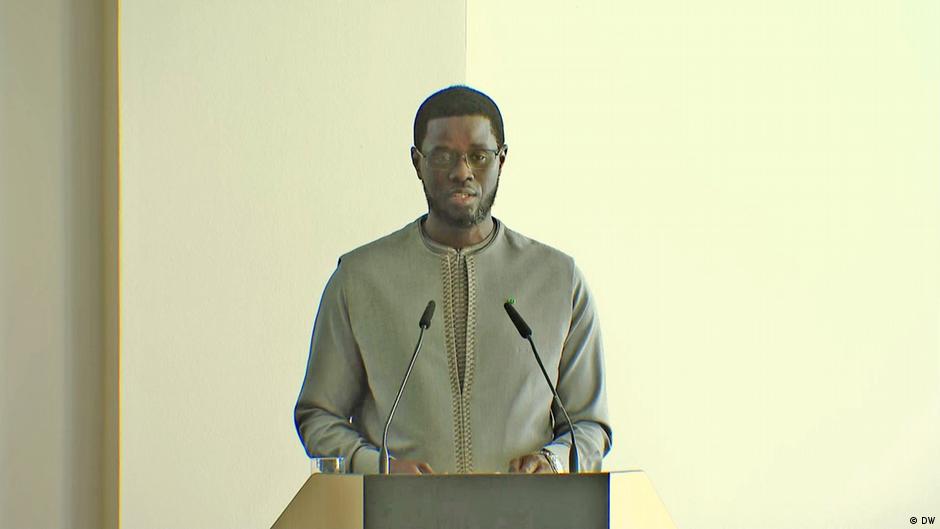
The President of Senegal, Bassirou Diomaye Faye, is making a strategic stop in Berlin to woo foreign investors and strengthen economic ties. Following his participation in a high-profile economic forum, he is set to hold critical meetings with both the German Chancellor and the German President this week.
In a deliberate move to showcase Senegal’s appeal, Faye highlighted key reforms aimed at boosting the business climate, including anti-corruption measures, a new investment code, and an updated customs framework designed to streamline trade processes and eliminate bureaucratic hurdles.
Senegal’s leadership is also emphasizing the country’s political stability and deep-rooted democratic traditions as major selling points for international partners. Additionally, Faye underscored Senegal’s prime geographic position, describing it as a gateway to over 300 million consumers within the ECOWAS region and nearly 1 billion across the African Continental Free Trade Area (AfCFTA).
natural resources and economic potential
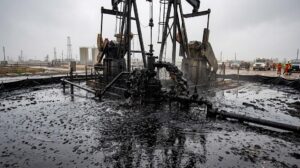
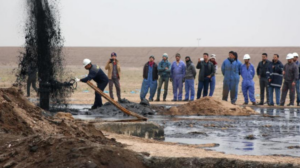
Beyond politics and positioning, Senegal’s natural resource wealth took center stage in the discussions. Faye pointed to recent oil and gas discoveries as a cornerstone of the country’s economic future, alongside significant mineral reserves such as phosphate, iron, gold, zircon, and untapped uranium potential. He also emphasized the nation’s young, dynamic workforce as a key asset for development and collaboration.
Germany’s keen interest in Senegal is not limited to trade and investment. The European nation is actively seeking partnerships to address its own labor shortages through vocational training initiatives, particularly in high-demand sectors such as energy. This aligns with Senegal’s broader goal of upskilling its population to meet global standards and attract sustainable investment.
imf assessment highlights resilience amid global challenges
During the visit, attention also turned to Senegal’s economic outlook. The International Monetary Fund (IMF) recently concluded a review of the country’s economic performance, lauding the resilience of the Senegalese economy—particularly its growth driven by the hydrocarbons sector—despite a challenging global environment.
The IMF noted that Senegalese authorities have reaffirmed their intent to pursue a new financial program with the Fund. This initiative remains a focal point of national debate, reflecting broader discussions about economic policy and governance under Faye’s administration.