Gabon and Mauritania: shaping the future of the Francophonie
The global stage for the future of the Francophonie is shifting from traditional centers like Paris and Montreal to African capitals. Today, the battle for leadership within the International Organisation of La Francophonie is being waged in Libreville, Nouakchott, and other key African cities.
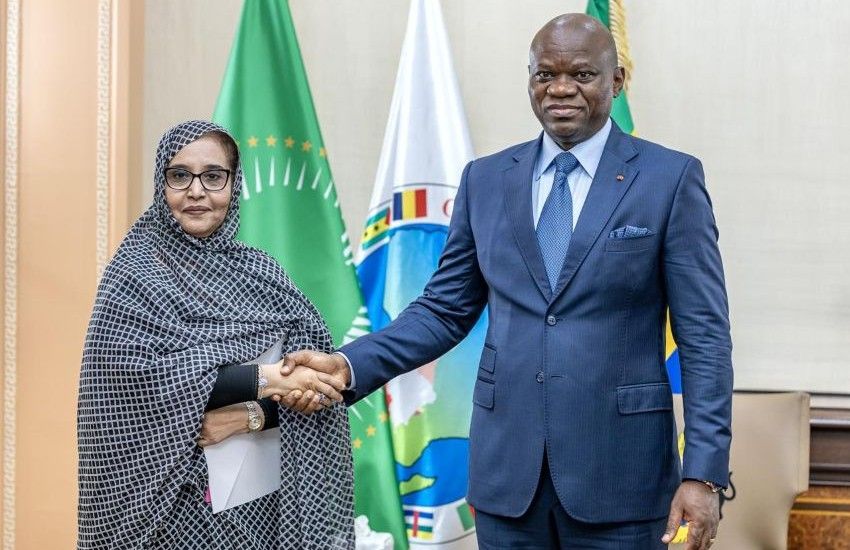
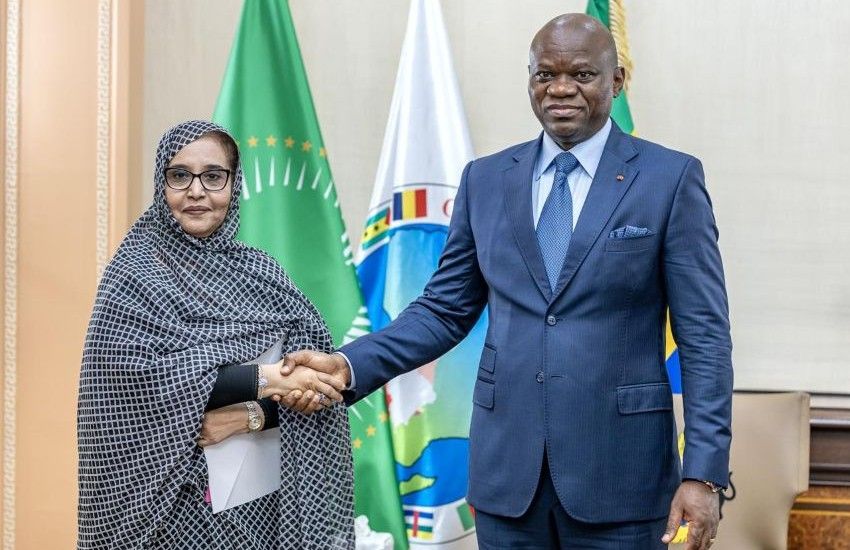
This strategic realignment was underscored by a high-level meeting in Libreville. Messouda Baham Mohamed Laghdaf, Mauritania’s Minister of Environment and Sustainable Development, delivered a personal message from President Mohamed Ould Cheikh El Ghazouani to her Gabonese counterpart, President Brice Clotaire Oligui Nguema. While the encounter carried strong diplomatic protocol, its implications reached far beyond formalities.
A dual diplomatic agenda unfolds
This visit served two critical purposes. First, it marked Mauritania’s commitment to deepening bilateral ties with Gabon. Second, it advanced a carefully orchestrated campaign ahead of the upcoming OIF leadership election.
Mauritania’s strategic move
During the discussions, the Mauritanian envoy formally presented the candidacy of Dr. Koumba Ba for the position of Secretary-General of the OIF. Her platform rests on three pillars: coherence, balance, and tangible service to member states. This approach addresses a growing concern across the Francophone world: what should be the core mission of the Francophonie in the 21st century?
The organisation, long seen primarily as a cultural and linguistic influence tool, now faces evolving challenges. Digital transformation, youth education, economic development, food security, climate action, artificial intelligence, and technological sovereignty are now central to the expectations of member states.
Mauritania’s ambition is clear: to champion a Francophonie that prioritises concrete outcomes over symbolic representation, aligning closely with Africa’s developmental needs.
Gabon’s rising diplomatic influence
Mauritania’s initiative is timely. Gabon, under President Brice Clotaire Oligui Nguema’s leadership, has re-emerged as a key diplomatic player on the African continent. The head of state has pursued a foreign policy centered on dialogue, consensus-building, and regional cooperation, positioning Libreville as a sought-after partner in continental matters.
During the meeting, President Oligui Nguema reaffirmed Gabon’s dedication to inclusive governance and consensus-driven decision-making—a stance that reflects the nation’s broader vision for its role in international forums.
Beyond the OIF leadership race, this engagement signals both countries’ intent to strengthen bilateral cooperation in strategic sectors such as environmental sustainability, sustainable development, education, and economic exchange.
A continental shift in Francophonie priorities
The significance of this moment extends well beyond Gabon and Mauritania. With over 60% of the world’s French speakers now residing in Africa—a figure projected to rise to nearly 85% by 2050—the future of the French language and the Francophonie lies predominantly on the continent.
This demographic reality is reshaping historical power dynamics. African nations are increasingly demanding greater representation in decision-making bodies and a reorientation of the organisation’s priorities to better serve their populations.
The Mauritanian-backed candidacy embodies this growing call for an African-led Francophonie. It reflects a vision of an organisation that not only preserves cultural heritage but also drives economic growth, innovation, youth empowerment, and inter-state collaboration.
The meeting in Libreville is more than a diplomatic courtesy—it symbolises a quiet but decisive reshaping of influence within the Francophone sphere. Mauritania’s move sends a powerful message: the Francophonie of tomorrow cannot be shaped without Africa’s voice. Meanwhile, Gabon’s diplomatic engagement reinforces its role as a bridge-builder in defining the continent’s cooperative future.
As this subtle contest of influence unfolds, one question dominates: which vision of Africa will define the next chapter of the Francophonie?