Senegal’s political shifts and Middle East tensions take center stage
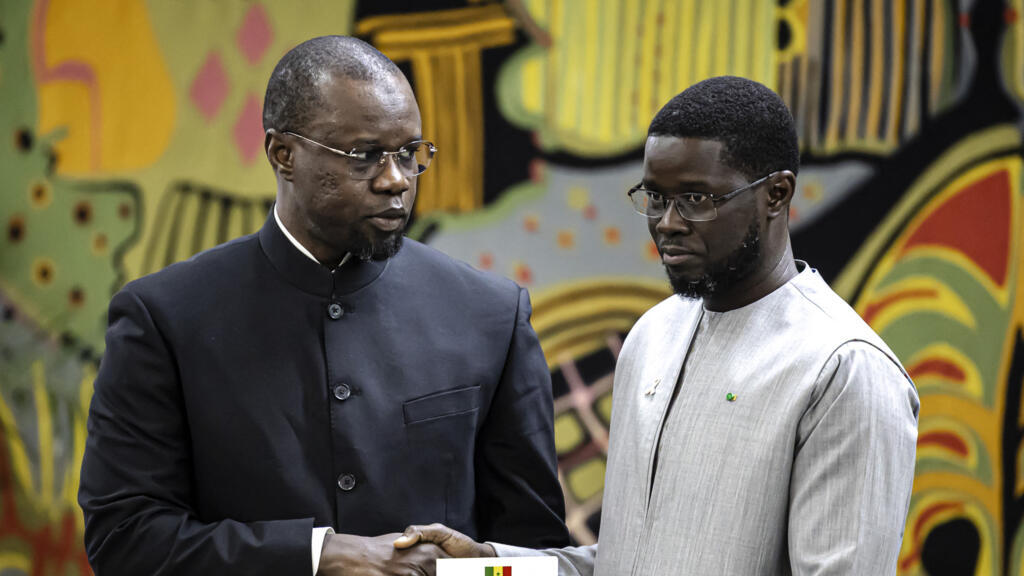
This week’s agenda examines Senegal’s political landscape amid a presidential party’s formation and a constitutional reform blocked by the Constitutional Council. With opposition forces questioning the government’s moves, President Bassirou Diomaye Faye faces a critical test in securing public trust and legislative stability. Meanwhile, escalating tensions in the Middle East, particularly between Iran and the United States, raise concerns over regional stability and global implications.
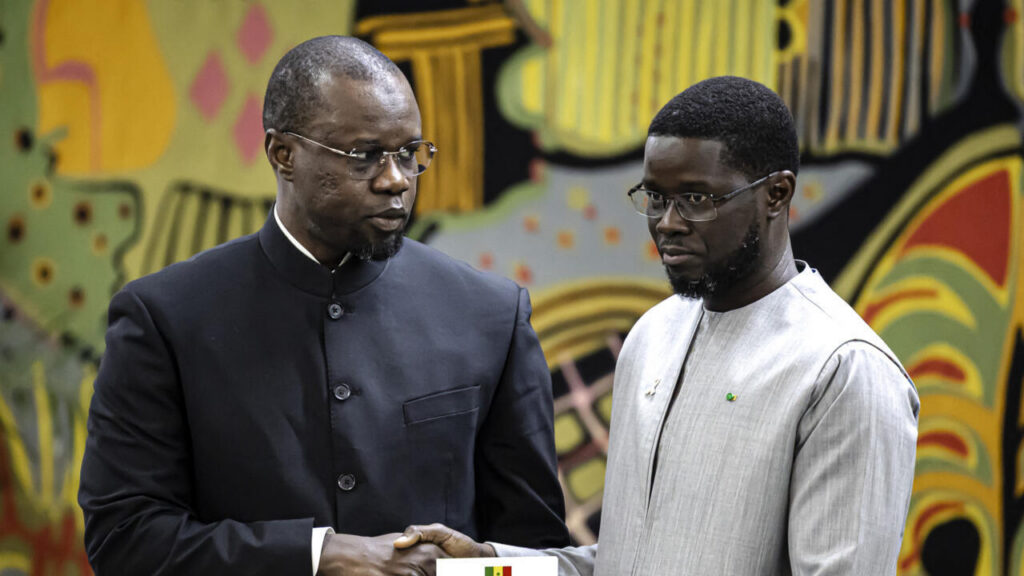
The Senegalese political arena is undergoing significant transformations as President Bassirou Diomaye Faye consolidates power through new institutional strategies. The creation of a presidential party following the Constitutional Council’s rejection of a parliamentary reform has intensified debates about governance and democratic resilience. Can Faye’s initiatives bridge divides within the opposition and win over public opinion?
Senegal’s evolving political dynamics
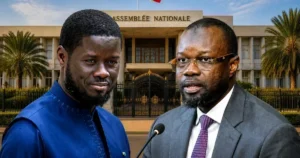
President Bassirou Diomaye Faye’s leadership is navigating uncharted waters as his administration seeks to redefine Senegal’s political framework. The establishment of a presidential party marks a strategic shift, aimed at reinforcing executive authority and fostering unity among supporters. However, the rejection of a key constitutional reform by the Constitutional Council has underscored deep divisions in the National Assembly, particularly within the Pastef majority led by Ousmane Sonko.
These developments come at a time when Senegal’s political stability is under close scrutiny. Faye’s ability to navigate these challenges will determine whether his administration can sustain momentum and maintain broad-based support. The public’s reaction to these institutional maneuvers remains a pivotal factor in shaping the country’s political trajectory.
Middle East tensions and global implications
Beyond Senegal’s borders, the Middle East is experiencing heightened tensions, with recent escalations threatening to destabilize the region further. The United States, under President Donald Trump, has declared the ceasefire with Iran effectively over, citing unproductive negotiations as a key driver of this decision. Trump’s rhetoric suggests a potential for renewed military action, raising alarms over the prospects of a wider conflict.
The situation in the Middle East carries significant global implications, particularly for energy security and regional alliances. Africa’s role in mediating or responding to these developments remains a critical topic of discussion. As international actors weigh their options, the continent’s strategic position and diplomatic influence may come under increased pressure.
Key voices in African media
This week’s analysis features perspectives from leading African journalists and analysts:
- Wuldath Mama, a Beninese journalist specializing in international affairs, provides insights into regional dynamics and Senegal’s evolving role.
- Eric Topona, a Chadian journalist with Deutsche Welle’s Francophone Africa desk, offers a nuanced view of Africa’s engagement with global issues.
- François Hiondi Nkam, a veteran Cameroonian reporter and Economics Editor at *Le Jour*, examines the economic ramifications of these geopolitical shifts.
Together, these experts dissect the complexities of Africa’s political and economic landscape, offering audiences a deeper understanding of the forces shaping the continent’s future.