Senegal’s political shifts and global tensions in focus
This week’s discussions centered on two critical fronts: Senegal’s evolving political landscape and the escalating tensions in the Middle East. With President Bassirou Diomaye Faye consolidating power after constitutional reforms were struck down, the nation watches closely to see if his strategy will unite a divided public. Meanwhile, developments in the Middle East, particularly around Iran, are raising alarm bells about a potential widening of the conflict.
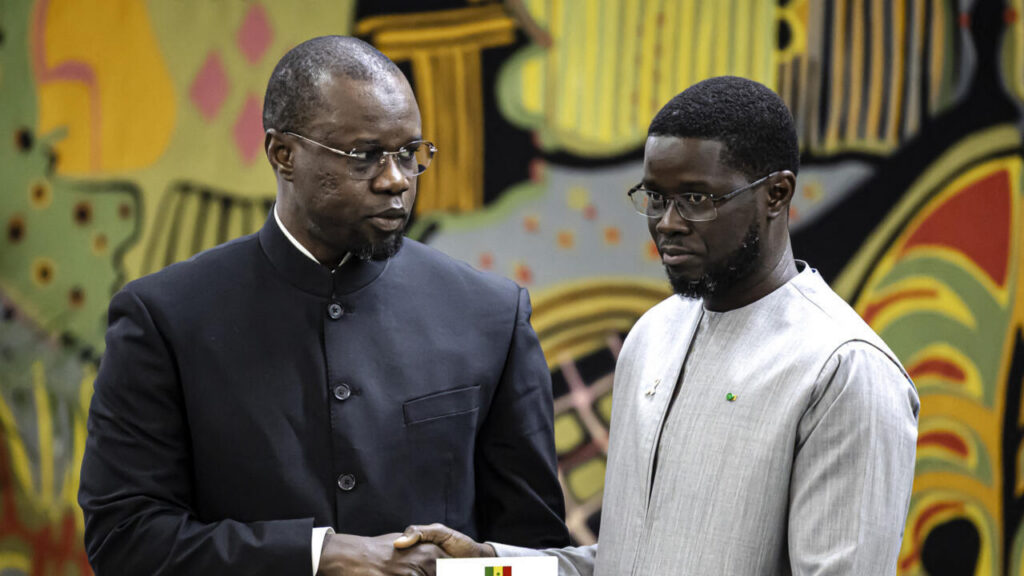
In Senegal, President Bassirou Diomaye Faye is navigating uncharted political waters after the Constitutional Council invalidated a major reform pushed by the ruling PASTEF party, led by Ousmane Sonko. The decision has cast a shadow over the government’s agenda, prompting questions about its next moves. Will the president’s recent initiatives, including the formation of a new presidential party, succeed in bridging the gap with opposition factions and winning over the Senegalese public?
Across the globe, the situation in the Middle East remains volatile. Recent exchanges of strikes and counter-strikes between key players have intensified, with former U.S. President Donald Trump declaring the ceasefire “over.” His dismissive remarks about negotiations with Iran have fueled concerns of further military escalation. Could this signal the beginning of a broader conflict in the region?
Each week, African and international journalists dissect the most pressing issues shaping the continent and the world. This week’s panel includes:
- Wuldath Mama, Beninese journalist specializing in international affairs
- Eric Topona, Chadian journalist with Deutsche Welle’s Francophone Africa desk
- François Hiondi Nkam, veteran reporter and head of the Economy desk at Cameroon’s *Le Jour* newspaper