Senegal, Middle East conflict and FIFA World Cup 2026
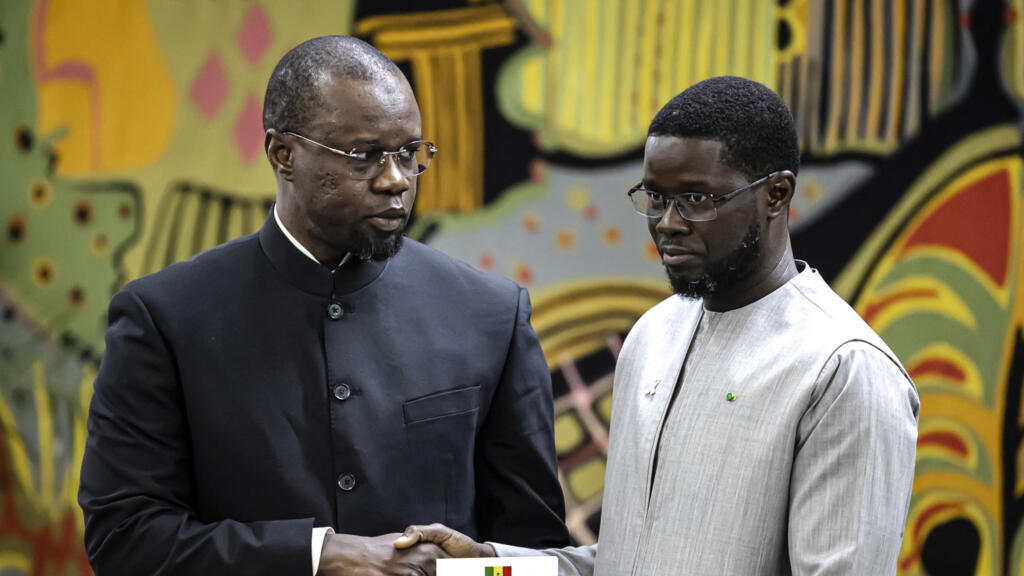
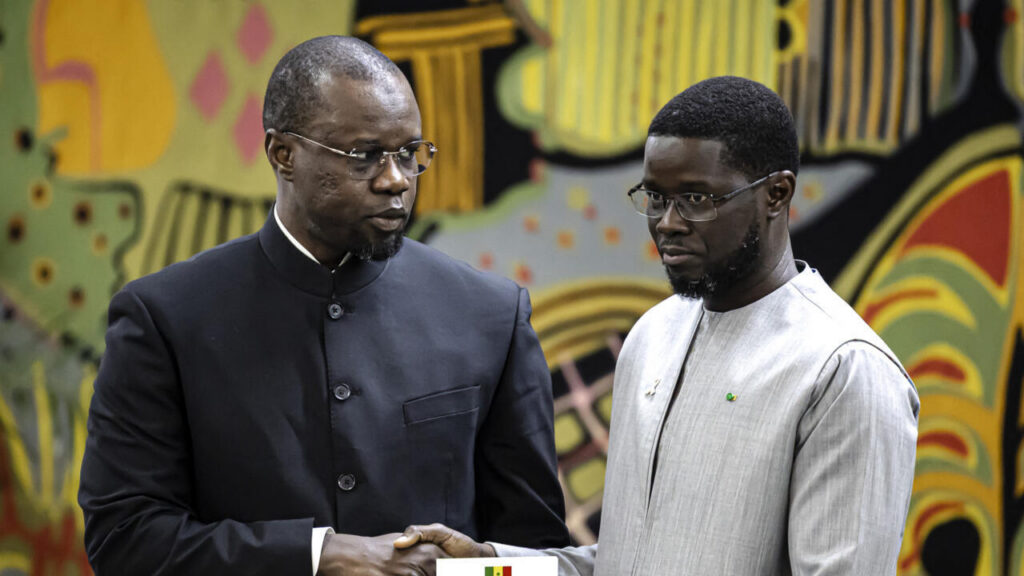
This week’s discussion focuses on two major developments reshaping the African political and international landscape. In Dakar, President Bassirou Diomaye Faye faces a critical test following the Constitutional Council’s decision to strike down a parliamentary reform backed by his predecessor Ousmane Sonko’s Pastef party. Meanwhile, escalating tensions in the Middle East threaten to further destabilize global security, with U.S. President Donald Trump warning that ceasefire negotiations with Iran have reached a dead end.
Will the Senegalese head of state succeed in consolidating his political agenda amid growing opposition? And how will the renewed conflict in the Middle East impact Africa’s geopolitical positioning ahead of the 2026 FIFA World Cup?
These questions and more are examined by a panel of distinguished African journalists and analysts, offering insights into the continent’s most pressing challenges.
Key discussions
Senegal’s political crossroads
Following the Constitutional Council’s decision to invalidate the constitutional reform passed by the National Assembly, President Bassirou Diomaye Faye is navigating uncharted waters. The move has reignited debates about governance, legitimacy, and the future of democracy in Senegal. With Ousmane Sonko’s Pastef party at the center of the controversy, Faye’s ability to bridge divides and rally public support is under intense scrutiny.
Middle East escalation: a global concern
The fragile ceasefire between Iran and Western powers has collapsed, with Donald Trump declaring negotiations “a waste of time.” The region is bracing for further military escalation, raising fears of broader conflict spillover. As geopolitical tensions rise, Africa’s role in mediating international disputes comes into sharper focus.
2026 FIFA World Cup: Africa’s moment?
With preparations underway for the FIFA World Cup hosted by Africa in 2026, the continent stands at a pivotal moment. Can Senegal and its neighbors leverage the event to showcase their progress and attract global investment? Or will ongoing conflicts and political instability overshadow the tournament’s potential benefits?
Our panelists
- Wuldath Mama: Beninese journalist specializing in international affairs
- Eric Topona: Chadian journalist with Deutsche Welle’s Francophone Africa desk
- François Hiondi Nkam: Senior reporter and economics editor at Cameroon’s Le Jour newspaper