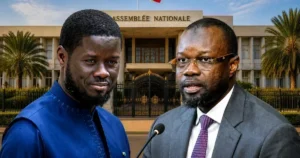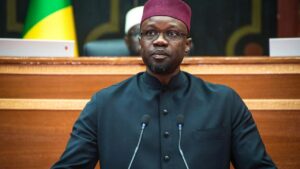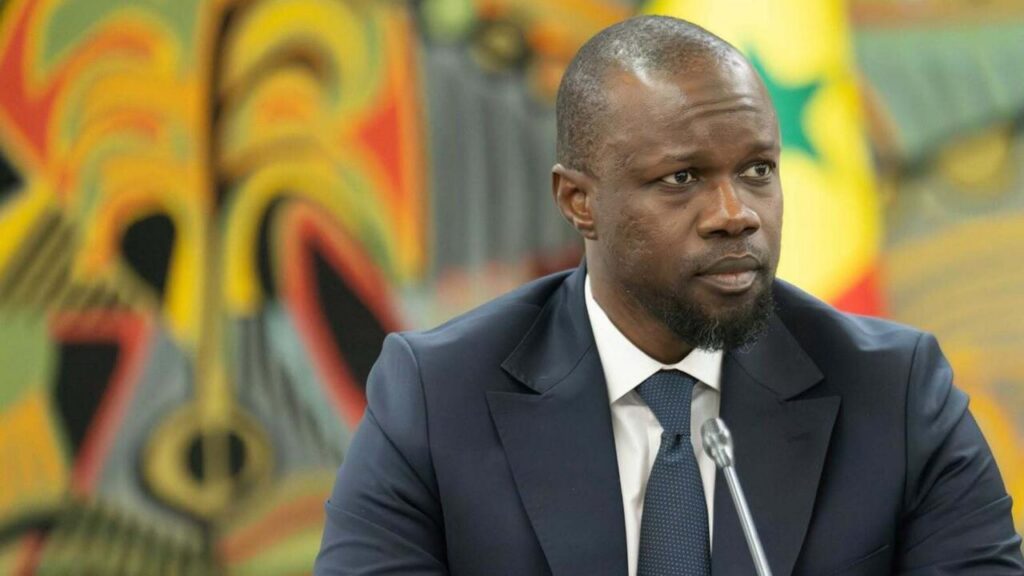
The political landscape in Senegal has entered a critical phase, with tensions escalating at the highest level of government. Ousmane Sonko, newly elected President of the National Assembly and leader of a dominant parliamentary bloc, has issued a stark warning: he intends to bring down the government « as many times as necessary. » His accusations against President Bassirou Diomaye Faye center on a perceived abandonment of the country’s sovereignist ideals in favor of consolidating his own political movement. But does Sonko possess the necessary leverage to force such a confrontation? And how will President Faye respond to this escalating challenge?
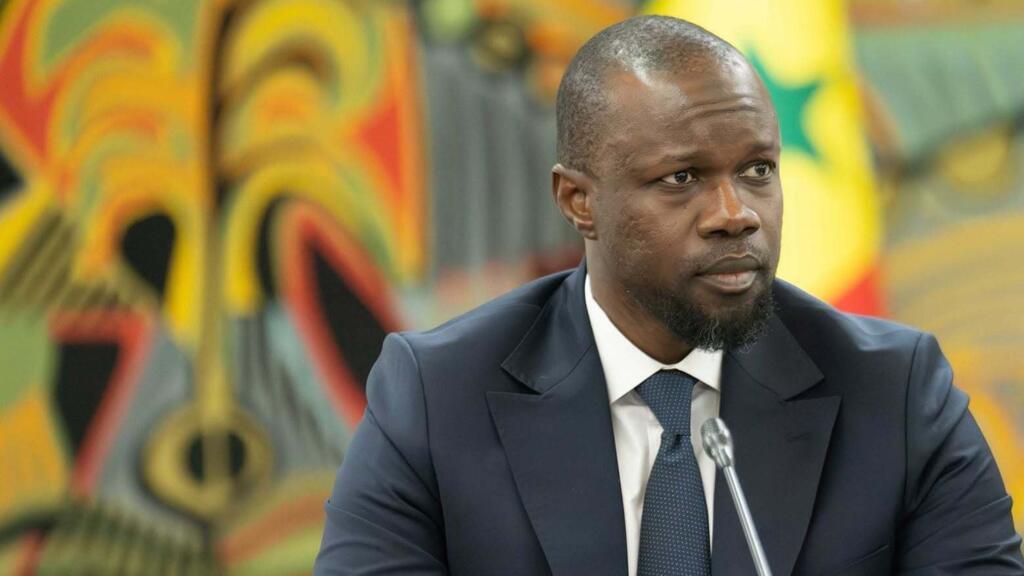
A high-stakes political confrontation
The escalating rhetoric between Ousmane Sonko and President Bassirou Diomaye Faye marks a pivotal moment for Senegal’s political future. Sonko, who commands a robust majority in parliament, has framed his opposition as a defense of the nation’s sovereignist agenda. However, his critics argue that his actions risk destabilizing the very institutions he now leads. The question remains: is this a strategic maneuver to reshape Senegal’s political trajectory, or a dangerous gamble that could plunge the country into prolonged uncertainty?
What are the potential consequences?
- Parliamentary showdown: With Sonko at the helm of the National Assembly, any vote of no confidence would require unprecedented coordination within his own bloc. Can he maintain unity among his supporters long enough to force a government collapse?
- Public reaction: Senegalese citizens are divided. While some view Sonko as a champion of anti-establishment ideals, others fear his tactics could undermine stability in a region already grappling with security challenges.
- International implications: Foreign investors and diplomatic partners are closely monitoring the situation. A prolonged crisis could deter economic growth and strain Senegal’s relationships with global allies.
How will President Faye respond?
Facing mounting pressure, President Faye has so far adopted a measured tone, emphasizing dialogue and national cohesion. Yet behind the scenes, preparations for a potential legislative battle are undoubtedly underway. His ability to navigate this crisis will determine whether Senegal can avoid a constitutional confrontation or slide into deeper political turbulence.
What comes next?
The coming weeks will be decisive. Will Sonko’s threats materialize into action, or will cooler heads prevail? One thing is certain: the decisions made in Dakar will resonate far beyond Senegal’s borders, shaping the future of West African democracy.