The fall of Kidal and the scramble for survival by secessionist forces
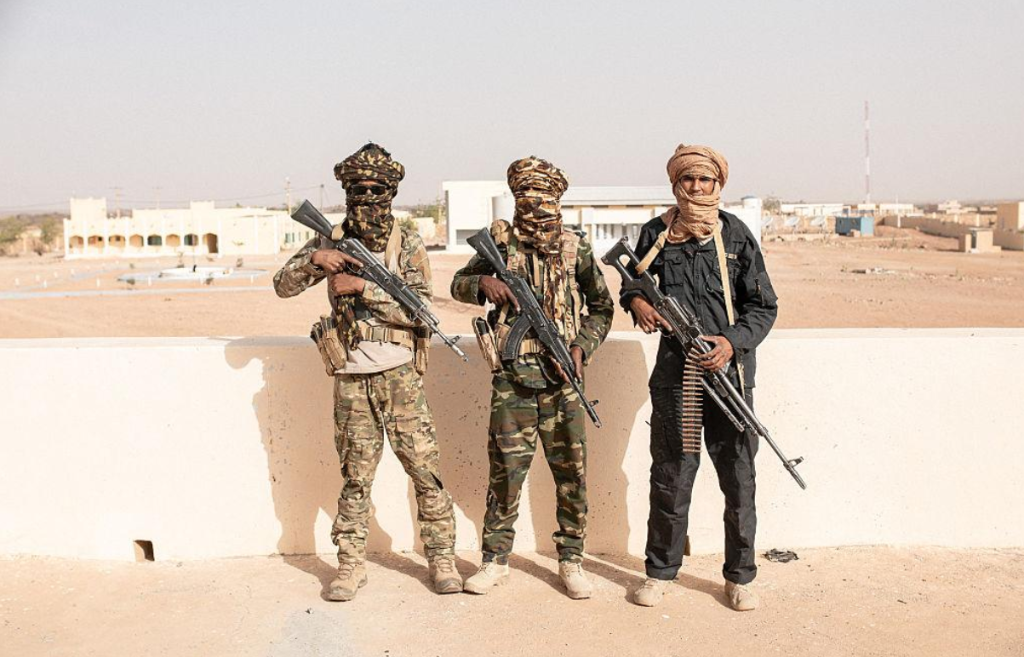
The capture of Kidal by Malian transitional forces on October 6, 2026, marked the unraveling of a decades-long insurgent bastion in northern Mali. Without firing a shot, the National Movement for the Liberation of Azawad (MNLA), the most prominent separatist faction, withdrew its fighters and equipment from the city, framing the move as a calculated tactical retreat to preserve its operational capacity. The move left rebel groups scrambling for alternative backing, exposing the fragility of their once-unassailable position in the Sahel.
From Algeria to Libya: How separatists are exploiting regional fractures
The MNLA’s pivot toward Libya’s eastern strongman, Khalifa Haftar, reflects a strategic desperation. Benghazi’s proximity to northern Mali and the porous Sahara borders offer a lifeline for insurgent networks seeking to bypass territorial encirclement. Diplomatic sources confirm secret negotiations between Malian rebel leaders and Haftar’s inner circle, including his son Saddam, aimed at securing financial and logistical support. While no formal arms transfers have yet materialized, the outreach underscores a broader shift: rebel groups are no longer confining their alliances to regional players but are now courting extra-continental proxies to sustain their campaign.
The geopolitical stakes of Haftar’s potential role
The collaboration between Libyan factions and Sahelian insurgents is not unprecedented, but its recent acceleration carries significant risks. Libya’s eastern faction, backed by regional and international actors, operates as a semi-autonomous entity with fluid loyalties. By aligning with Haftar, the MNLA risks entangling itself in Libya’s volatile power struggles, potentially turning northern Mali into an extension of Libya’s proxy wars. For Bamako, this development complicates counterinsurgency efforts, as foreign-sponsored rebel logistics could extend supply routes across the Sahara, undermining Malian military gains in Kidal.
Abu Dhabi’s shadow over the Sahel: Money, militias, and regional tensions
Parallel to the MNLA’s Libyan gambit, reports indicate exploratory talks between rebel representatives and officials from the United Arab Emirates. Abu Dhabi’s deepening involvement in the Sahel—through financial investments, security partnerships, and indirect militia support—has raised alarms in Algiers. Algeria, which shares a 1,300-kilometer border with Mali, views any Emirati-backed insurgent activity as a direct threat to its southern flank’s stability. The diplomatic rift between Algeria and the UAE, fueled by wider regional rivalries, has turned the Sahara into a new battleground for influence, with each side accusing the other of destabilizing the Sahel.
The Algeria factor: Countering foreign interference in the Sahel
Algeria’s response to the MNLA’s foreign alliances has been swift and strategic. By revitalizing its diplomatic ties with Mali’s transitional government, Algiers is attempting to reclaim its role as the Sahel’s dominant security guarantor. Key priorities include re-establishing border security frameworks, curbing cross-border trafficking, and aligning counterterrorism strategies with Bamako. However, Algeria’s efforts are constrained by the collapse of the 2015 Algiers Peace Accord—a document both sides now publicly disavow. The MNLA’s rejection of the accord and its pivot to foreign patrons have left Algeria with fewer levers to rein in separatist ambitions.
Beyond Mali, Algeria is also doubling down on cooperation with Niger, another critical Sahelian state. The two nations have resumed high-level dialogues on security coordination, economic corridors, and migration control, aiming to create a unified buffer against external meddling. For Niamey and Bamako, this renewed partnership offers a pragmatic alternative to the uncertainties posed by foreign-backed insurgencies.
The ripple effects: How foreign alliances could reshape Sahelian conflicts
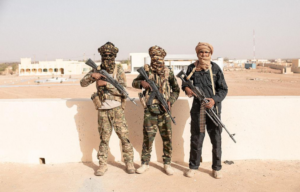
The real-world consequences of these shifting alliances are already visible. On the ground, Malian troops are consolidating control over Kidal’s urban center, but the countryside remains a contested patchwork of rebel factions, jihadist splinter groups, and foreign-backed militias. Meanwhile, the UAE’s financial networks and Haftar’s military infrastructure are creating new logistical pipelines across the Sahara, bypassing traditional supply chains controlled by Algeria and neighboring states.
For local communities, the stakes are equally high. Civilians in northern Mali now face the dual threat of military reprisals and the unintended blowback from internationalized conflicts. In southern Libya, where Haftar’s forces hold sway, arms and fighters flowing toward the Sahel could exacerbate local violence, drawing Libyan tribes into a wider regional quagmire. Meanwhile, Algerian border communities are on high alert, wary of infiltration by armed groups or smuggling networks facilitating rebel resupply.
What’s next? The fragile balance of power in the Sahara
The coming months will determine whether these foreign alliances translate into tangible military advantages for the MNLA or further destabilize the Sahel. Algeria’s diplomatic counteroffensive—rooted in security cooperation with Mali and Niger—may deter some external actors, but it cannot instantly reverse the erosion of trust caused by the MNLA’s foreign outreach. For Bamako, the challenge is twofold: restoring state authority in the north while preventing its adversaries from turning the Sahara into a highway for illicit arms and fighters.
One thing is clear: the Sahel’s conflict landscape is no longer confined to national borders. As rebel factions, foreign patrons, and regional powers jockey for position, the humanitarian toll and security vacuum in northern Mali and southern Libya are set to deepen. The fate of Kidal’s fall has already rung alarm bells; the next phase of this crisis could redefine the balance of power across the Sahara—and beyond.