Morocco and Benin lead seventh Atlantic African states ministerial meeting in Cotonou
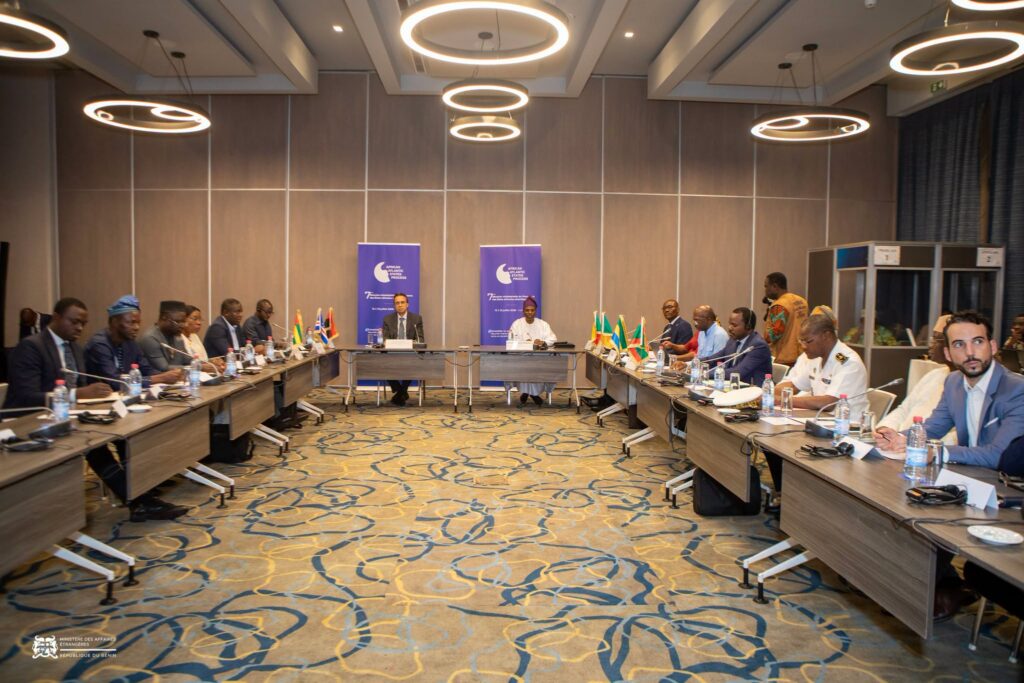
The seventh ministerial meeting of the Atlantic African States Process (AASP) kicked off in Cotonou, Benin, under the joint leadership of the Kingdom of Morocco and the Republic of Benin. This high-level gathering aims to deepen cooperation among Atlantic-facing African nations and advance regional integration, aligning with His Majesty King Mohammed VI‘s vision for a shared Atlantic space marked by peace, stability, and inclusive prosperity.
Moroccan delegation outlines strategic priorities
The Moroccan delegation, led by Mohamed Methqal, Ambassador and Director-General of the Moroccan Agency for International Cooperation (AMCI), includes key figures such as Tarik Iziraren, Permanent Secretary of the AASP, and Rachid Rguibi, Morocco’s Ambassador to Benin. The delegation also comprises senior officials from the Ministry of Foreign Affairs, African Cooperation, and Moroccans Residing Abroad, reflecting the country’s commitment to fostering regional partnerships.
AASP’s evolution since 2022
Since its inception in Rabat in June 2022, the Atlantic African States Process has achieved significant milestones, including the establishment of a permanent secretariat in Rabat. The initiative has also introduced thematic working groups and adopted a comprehensive action plan focused on political dialogue, maritime security, blue economy, connectivity, energy transition, and marine environmental protection.
Following previous meetings in Rabat, New York, and Praia, the Cotonou session represents another critical step in strengthening coordination among member states. The discussions will emphasize sustainable development, improved maritime governance, and equitable co-development across Africa’s Atlantic coast.
Focus areas for the Cotonou meeting
- Maritime security: Strengthening collaborative frameworks to address piracy, illegal fishing, and transnational threats.
- Blue economy: Unlocking the potential of ocean-based industries while ensuring environmental sustainability.
- Energy transition: Accelerating renewable energy adoption and green infrastructure development.
- Regional connectivity: Enhancing trade, transport, and digital links to foster economic integration.
- Marine environmental protection: Promoting conservation initiatives and climate-resilient coastal strategies.